When antidepressants stop doing their job, pleasure might wake up too
Honestly though, no one warns you about this part. You start an SSRI or SNRI for depression or anxiety. Weeks in, sexual sensation drops like it went down an elevator with the emergency brake on. That's the trade-off you accept. But then somewhere between month six and month three years later, the drug stops working as well. Tolerance builds, life circumstances shift, or your brain chemistry simply recalibrates. What people don't talk about is what happens to pleasure when that numbness starts to lift.
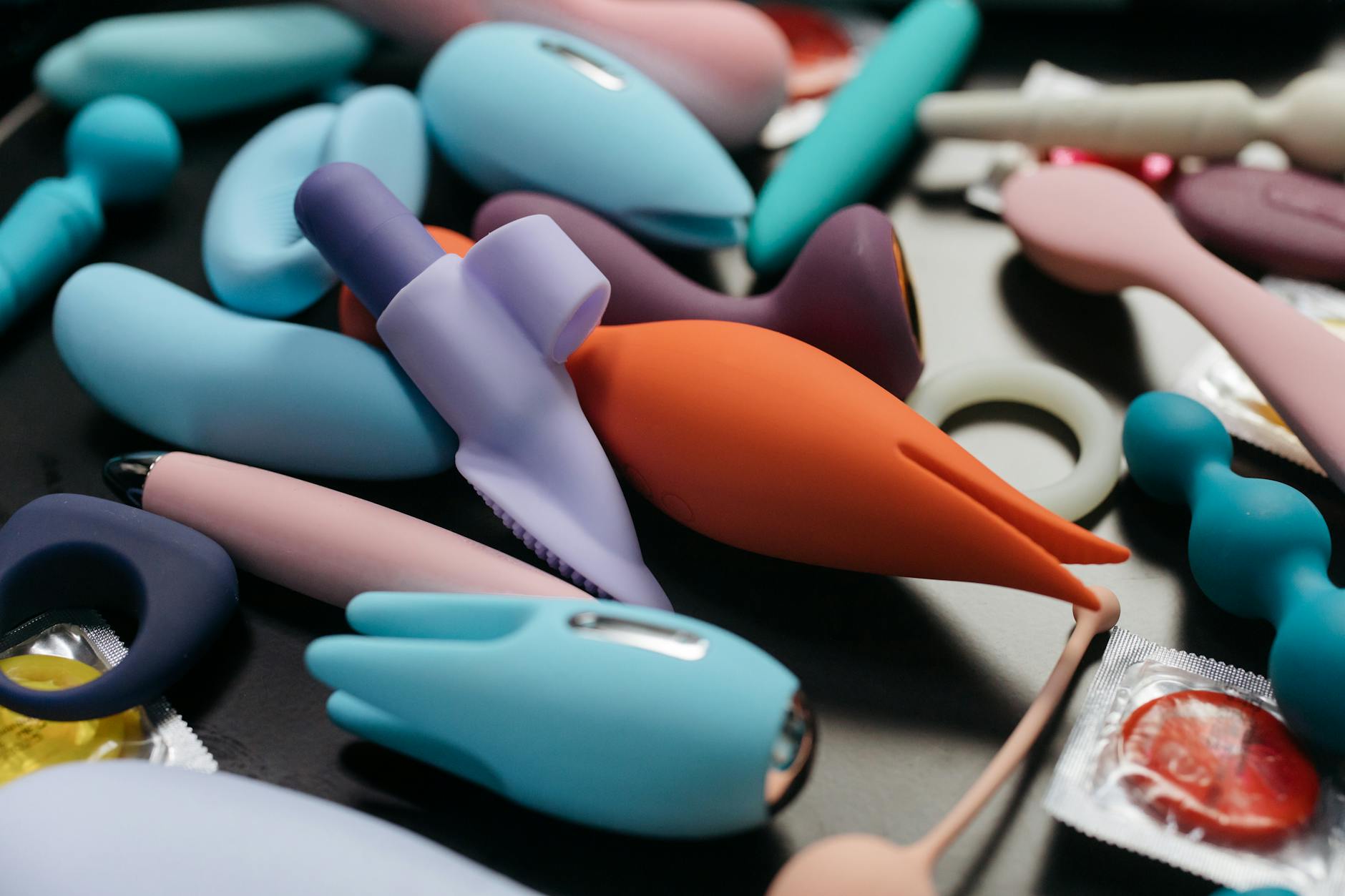
The window is real. And it's exactly when many people discover that lemon vibrators, particularly air-suction clitoral vibrators like the Lem, become genuinely useful again.
How antidepressants numb sensation in the first place
SSRIs work by keeping serotonin in the synapse longer. More serotonin, less immediate emotional reactivity. That's the point. But serotonin also regulates physical sensation and arousal. So if you're taking fluoxetine or sertraline or paroxetine, your brain is chemically less reactive to stimulation across the board. The clitoris still has all its nerve endings. Your brain is just receiving the signal at a lower volume.
This is why direct pressure sometimes stops working. A partner's touch, friction during sex, even your own hand. The sensation is there, but it's like reaching for something through a pane of glass. You can make contact, but the resolution is grainy.
When the antidepressant begins losing its grip, that glass gets thinner. Neural responsiveness starts coming back online.
What changes when tolerance builds
Antidepressant tolerance is not failure. It's your nervous system adapting. After months on the same dose, your body upregulates serotonin receptors to compensate. You get more signal going to the same number of receivers, but the overall effect flattens. Your doctor might increase the dose, switch medications, or add an augmentation strategy. But before any of that adjustment happens, there's often a period where the old numbness is lifting but nothing has fully replaced it yet.
That window is 2 to 8 weeks sometimes. Sometimes longer. During that time, sensation starts reconvening in your body.
Why lemon clitoral vibrators shine during this transition
Here's where Hello Nancy's lemon vibrator design becomes tactically valuable. The Lem uses air-suction technology, not just vibration. That matters because suction stimulates a different set of nerve pathways than direct mechanical pressure.
When you're rebuilding sensation, suction is gentler on reawakening tissue. It creates rhythmic stimulation without the grinding friction that can feel uncomfortable or still numb even as responsiveness returns. You're not triggering the same numbing response because you're engaging different receptors.
The pattern cycles on the Lem start low. Start at pattern 1 or 2. Your nervous system is literally rewiring its responsiveness. Aggressive stimulation can hijack that process. The gradual intensification of a lemon sucker design lets sensation rebuild in layers.
The neurochemistry of rebuilding
When antidepressant-induced numbness starts lifting, your dopamine and norepinephrine pathways begin waking up first. That's your motivation and arousal alertness returning. Serotonin regulation is still looser than it was week four of your prescription, so you're getting waves of returning sensation mixed with still-present dampening.
This is exactly when clitoral vibrators designed for gradual stimulation work best. You're not fighting your medication anymore, and you're not overloading circuits that are still stabilizing. A lemon vibrator with adjustable intensity lets you track exactly where your sensation threshold is on a given day.
Many people describe this phase as weirdly pleasurable. More pleasure than they had before starting the antidepressant, even though they still might be on a lower dose than peak numbness. That's not coincidence. Your nervous system is hypersensitive to stimulus during the rebound phase.
Solo exploration during this window
This is the ideal time to rediscover your body alone. Not from an emotional place of solving dysfunction, but from simple curiosity. How does a lemon clitoral vibrator feel now compared to six months ago. Start at the lowest setting. Spend 15 to 20 minutes exploring. Notice which patterns create response.
The Lem's sealed design means you don't have to worry about mess or setup complexity during a sensitive time. You can focus entirely on sensation rather than logistics.
If you're in a relationship, you don't have to tell your partner about this exploration. But you might. Many people find that bringing a lemon sexual toy into partnered play during this window opens conversations that wouldn't have happened otherwise. You're recalibrating your own pleasure, and that's information your partner benefits from knowing.
Managing expectations when switching medications
If your doctor decides to change your antidepressant during this tolerance window, numbness might return temporarily as your system adjusts to the new drug. Some SSRIs have lower sexual side effect profiles than others. Bupropion, for example, often has less impact on sensation than fluoxetine. But the transition period between them can be rough.
This is when you want to keep your lemon vibrator accessible. The rebound phase might be shorter on a new medication, or it might extend longer. Either way, you're not starting from zero. You already know your body's responsiveness pattern.
Talking to your doctor about this timing
Your prescriber should know that numbness is interfering with your quality of life. Full stop. Many GPs and psychiatrists still don't ask about sexual function, so you might need to bring it up. When antidepressant-related numbness is severe, there are strategies: dose adjustments, adding bupropion as an augment to blunt sexual side effects, or switching to a medication with a lower sexual dysfunction rate.
What you can tell them: "I'm noticing my sensation is starting to return. I'm curious whether we should adjust my dose now or wait to see if the improvement holds."
This conversation often leads to better management. Your provider might recommend staying the course, knowing the rebound won't last forever. Or they might change strategy knowing that numbness is affecting your wellbeing.
When sensation doesn't come back all the way
Sometimes numbness plateaus at a new normal. You're less numb than peak medication, but not as responsive as before you started. This is still a win. Many people find that adding a lemon vibrator into regular solo or partnered play helps sustain whatever sensation is available.
Consistency matters here. If you use a clitoral vibrator like the Lem regularly, your nervous system keeps that pathway active. Neglect it for weeks, and responsiveness can fade again. Think of it like retraining a muscle. You're not training your genitals to feel something they've lost. You're maintaining access to sensation your body still has.
Photo by cottonbro studio on Pexels
The rebound is temporary, but your tools don't have to be
The window when your antidepressant loses its grip and sensation returns is finite. You'll adjust to your new baseline within a few weeks. But the insight you gain during that window about what stimulation works for you now is lasting.
Lemon vibrators, especially ones like the Lem that use suction technology, tend to stay useful during and after the rebound phase. They're designed for bodies that need gentler, more nuanced stimulation. If you're someone whose sensitivity was dulled by antidepressants, this is genuinely your device.
The best time to explore is while the window is open. But what you learn about your pleasure doesn't close when the window does.
FAQ
How long does the rebound phase usually last after antidepressant tolerance builds?
Typically 2 to 8 weeks, sometimes longer depending on which medication you're on and how quickly your body adapts to tolerance. There's high individual variation. Some people notice sensation changes within days of their doctor adjusting the dose. Others take several weeks. Keep a simple note of when you start noticing changes and what your pleasure response feels like. That data matters for your next conversation with your prescriber.
Can I use a lemon clitoral vibrator while still on my antidepressant?
Absolutely. The numbness doesn't mean your clitoris is broken. It means your nervous system is receiving signals at lower volume. A lemon vibrator can work during this time, though you might need to be more patient and use longer warm-up periods. Many people find they need higher intensity on their current medication, then dial it back down as tolerance builds and sensation returns.
Will switching antidepressants bring all my sensation back?
Maybe. Some medications have lower sexual side effect profiles. Bupropion and certain others are known for sparing sexual function more than SSRIs do. But switching isn't a guarantee that sensation returns to exactly where it was pre-medication. That said, many people find the trade-off worth it. Better mood stability with manageable numbness beats severe depression with perfect sensation.
Is it normal for pleasure to feel different even after sensation returns?
Yes. You're not returning to exactly the same nervous system you had before medication. You're creating a new baseline. Your brain has been on serotonin regulation for months or years. Even as numbness lifts, your arousal pattern might be different. Slower to build, different during orgasm, different recovery time. This isn't dysfunction. It's your body's new normal. A lemon vibrator helps you map that territory.
Should I tell my partner about using a vibrator during my antidepressant tolerance window?
That's your call. If you're exploring solo, no obligation to share. If you're using it during partnered play or you want their support and understanding during this transition, honesty is helpful. Many partners find it easier to engage when they understand the context. "My medication is shifting, and I'm rediscovering what feels good right now" opens a very different conversation than "nothing works anymore."
What if I'm considering stopping my antidepressant altogether because of sexual side effects?
Don't make that decision without your prescriber. Stopping antidepressants abruptly or to chase sexual function often backfires. Depression and anxiety return, which tanks pleasure far more than numbness does. The right move is usually talking to your doctor about whether your current dose, medication type, or augmentation strategy can be adjusted. Tolerance building is actually sometimes an opening for that conversation.
The real timeline
Antidepressant numbness isn't a permanent state, even though it feels that way when you're in it. Neither is the rebound when sensation returns. But what you learn about your body during these transitions matters. A lemon vibrator isn't just a tool for getting off. During this specific window, it's a way to recalibrate your nervous system's responsiveness and gather information about what actually works for you now.
Your pleasure is worth that attention. And you deserve tools designed for exactly what your body needs right now, not someday. Start with the Lem at low intensity. Notice what shifts. Talk to your prescriber about what you're experiencing. That combination of self-awareness and professional support is how you move through this phase with actual agency instead of just waiting for your brain chemistry to stabilize on its own.
For more on rebuilding sensation after medication changes, check out our guide on how lemon vibrators help regain pleasure after medication changes. If you're also managing anxiety during this transition, how to use a lemon vibrator with anxiety to stay present and avoid numbness explores that layer too.
Questions? Reach out to Hello Nancy. We're here to talk through what's right for your body.