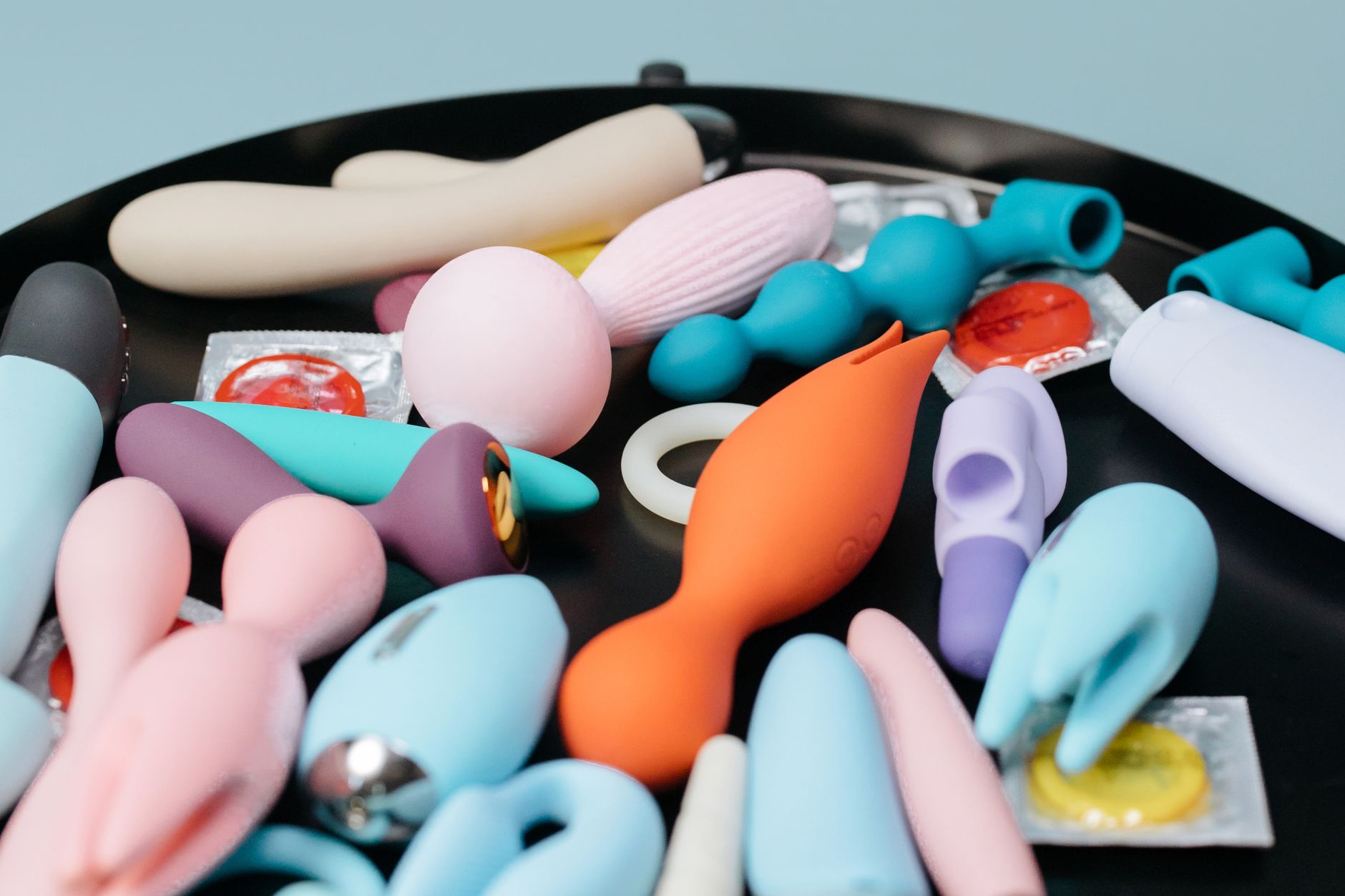
Let's talk about sensation fatigue
You bought a lemon vibrator. It was game-changing. For weeks, maybe months, it delivered exactly what you needed. Then one day you realized: nothing's happening anymore. Same device, same settings, same everything. Your body just isn't responding.
This isn't broken. This is your nervous system doing exactly what it's supposed to do. And it's completely fixable.
What's actually happening to your body
Your nervous system is incredibly efficient at tuning out repetitive stimulation. This process is called habituation, and it's not a flaw. It's a feature. Your brain learns to ignore constant input so you can notice changes and threats instead.
Wear the same shirt for an hour and you stop feeling it. Live next to a train and you stop hearing it. Use the same vibrator the same way on the same settings for months, and eventually your body stops registering it as novel input. The neurons that fire when you first experience the lemon clitoral vibrator's signature suction pattern get lazy about passing the signal up to your brain.
This happens faster if you use the same device, the same pattern, at the same intensity, in the same way, every single time. Your body is literally learning to ignore it. That's not a sign you need a stronger toy. That's a sign you need to surprise your nervous system.
The intensity trap
Here's where people usually go wrong. They assume habituation means they need higher power, so they jump to the strongest setting on their lemon vibrator or buy something more intense. Temporarily, this works. You get sensation again. But you've just reset the countdown on habituation. In six months, that higher intensity feels like nothing too.
That's the trap. Chasing intensity is a losing game because there's a ceiling, and when you hit it, you've got nowhere to go.
The better move is variation.
How to wake your nervous system back up
Change the pattern, not the power. If you've been using pattern 3 on your lemon clitoral vibrator, try pattern 1 or 5. Different patterns activate different nerve clusters in different sequences. Switching is like changing the route you take to work. Same destination, completely different experience.
Change the timing. Instead of five minutes at a stretch, try 90 seconds, break, then two minutes. Or use it for 30 seconds at the very beginning, then switch to something else entirely for a while. Unpredictability wakes your nervous system up faster than consistency does.
Change the positioning. If you've been using your lemon vibrator the same way every time, try a slightly different angle, pressure, or motion. Even tiny adjustments register as new input to your nervous system.
Change the context. Time of day, where you are, what you're thinking about, whether you're alone or with a partner. Different contexts activate different neural pathways. Novelty is the antidote to habituation.
Take a break. This one sounds counterintuitive, but a week off can genuinely reset your nervous system's sensitivity. When you come back, even your old lemon vibrator will feel new. This works because habituation is state-dependent. Remove the stimulus for long enough, and the neurons that tuned it out start paying attention again.
The pleasure pendulum
Honestly though, here's what I see most often in my practice: people use their device too frequently and too predictably. Pleasure works better when there's a pendulum. Time when you use it, time when you don't. Intensity when you build up to it, softness when you're settling in. Novelty when your nervous system asks for it, consistency when you need grounding.
If you're using a lemon clitoral vibrator daily, in the same way, at the same time, you're speeding up habituation. Moving to three or four times a week, with variation, often brings sensation roaring back within days.
When to consider a second device
You don't need to replace your lemon vibrator. But having two complementary devices can genuinely help. Something with a completely different sensation profile. If your Lem does air suction, maybe a traditional vibrator does direct buzz. If you love clitoral focus, maybe something for internal sensation.
The point isn't to keep buying. It's to give your nervous system real variety. Different sensations activate different nerve pathways. Switching between two genuinely different devices keeps both feeling fresh much longer than cycling through settings on one device.
The partner factor
If you're using your lemon vibrator with a partner, habituation sometimes signals something different: that you need to change the dynamic of how you're using it together. Maybe it's been solo in your hand every time. Try a partner using it on you, or incorporating it differently into your shared intimacy. Same device, different context, completely different nervous system response.
Sometimes the device isn't the problem. The pattern is. And partners often need to hear that explicitly.
When it's actually something else
Habituation is the most common reason, but not the only one. If you've taken a break, changed patterns, and sensation still isn't returning, check a few things:
Are you stressed? Chronic stress tanks arousal and sensation. Fix the stress first, and sensation usually returns.
Have your medications changed? Certain antidepressants, blood pressure meds, and hormonal shifts can dampen sensation. That's a conversation with your doctor, not a toy problem.
Is your device charged? A weak battery feels like nothing. Charge it fully and try again.
Does the connection between you and your partner feel disconnected? Sometimes what feels like device fatigue is actually relationship fatigue. That needs a different kind of work.
The comeback play
Most of the time, when someone tells me their lemon vibrator stopped working, they get it back within a week of changing one thing. Sometimes it's switching patterns. Sometimes it's taking four days off. Sometimes it's using it differently with their partner.
Your nervous system is smart. It's protecting you from overstimulation by filtering out repetitive input. That's not a failure of the device or your body. That's both working exactly as designed. The fix is honoring that design instead of fighting it. Variation, timing, novelty, and strategic breaks are your tools. Your lemon clitoral vibrator isn't done with you. You're just ready for a different conversation with it.
People also ask
How long does it take for vibrator sensation to come back?
Usually between three to seven days if you genuinely take a break, or immediately if you switch patterns or positioning. Some people see sensation return within hours of trying a different approach. The speed depends on how habituated you are, not on anything being wrong with you.
Can you get addicted to vibrators?
Adaptation isn't the same as addiction. Your nervous system is learning to tune out repetitive stimulus, which is normal neurology. Addiction would involve compulsive use despite negative consequences. Adaptation means you need variation to feel pleasure again, which is manageable once you understand it. Taking breaks and switching patterns keeps you in adaptation territory, not dependence.
Is it bad to use the same vibrator every day?
Daily use with zero variation speeds up habituation. Using it four times a week with pattern changes, positioning changes, or context changes keeps sensation alive much longer. If daily use is what you want, build in novelty every single time. Different pattern, different angle, different mood. Your nervous system needs the surprise.
Why does my lemon vibrator feel stronger sometimes?
Context matters enormously. Arousal level, stress, medication, how much sleep you got, where you are in your cycle if applicable. All of these change how your nervous system registers sensation. A device that feels incredible on a relaxed Saturday morning might feel muted on a stressed Wednesday night. That's not the device failing. That's you, and it's normal.
Should I buy a stronger vibrator if mine stopped working?
Not necessarily. Most people regain sensation from their existing device through variation before they need something stronger. Try pattern changes, positioning shifts, and breaks first. If sensation hasn't returned after two weeks of real variation, then exploring a different sensation profile makes sense. But jumping straight to higher intensity usually just resets the habituation clock.
How do I prevent losing sensation to my vibrator?
Variation from day one. Don't use the same pattern every time. Don't use the same positioning. Build in breaks. Try different times of day. Use it with a partner sometimes, solo other times. Keep your nervous system engaged by staying unpredictable. This is how you use any clitoral vibrator, including a lemon sucker, for years without habituation becoming an issue.