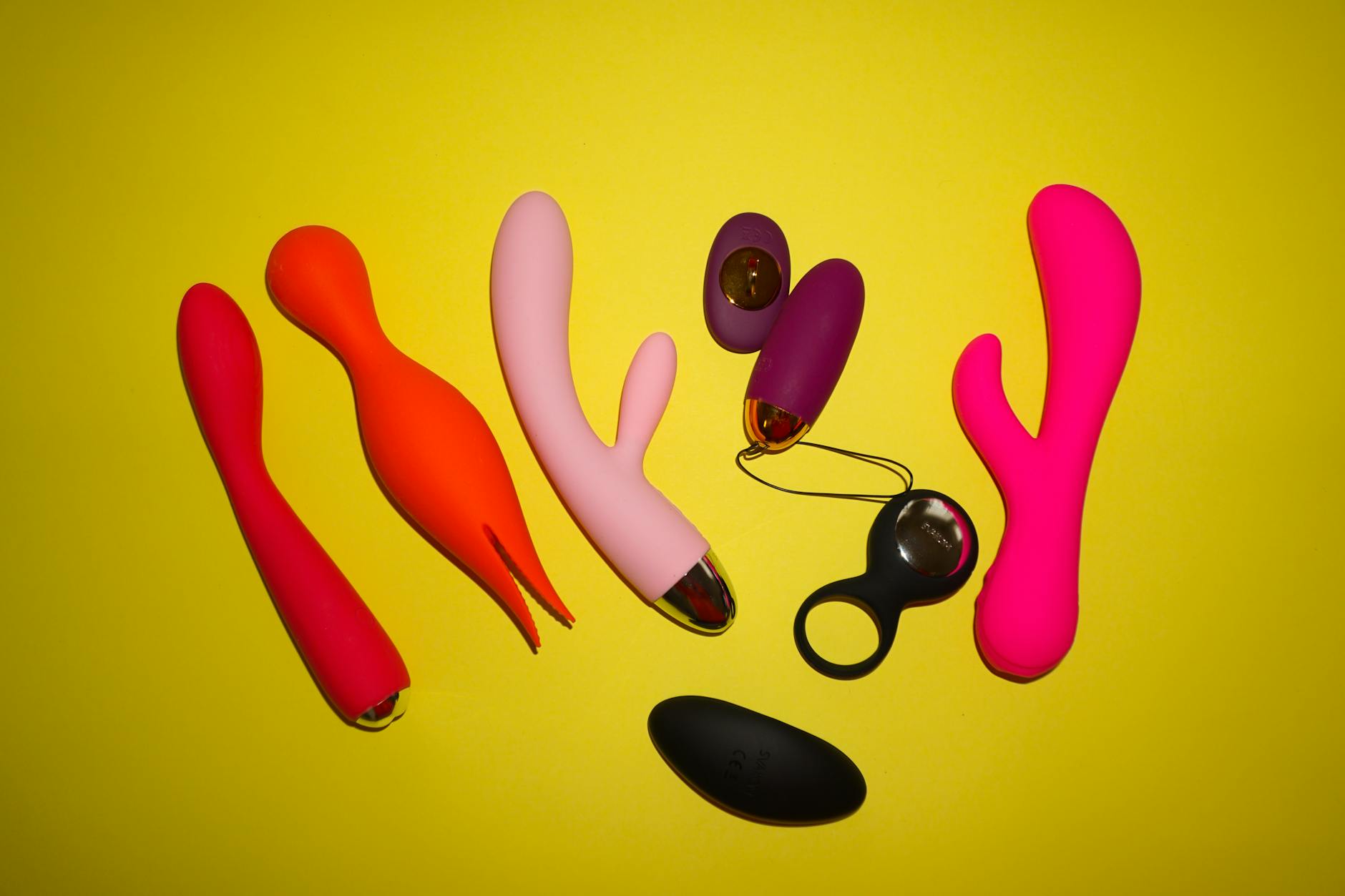
Here's the thing nobody tells you about air suction toys
Your lemon vibrator behaves like two completely different devices depending on whether you're using it alone or with a partner. The toy stays the same. The experience? Wildly different. Solo, you control everything. With a partner, someone else is holding it, watching you, timing the rhythm. Your nervous system responds differently to each scenario, which means your pleasure does too.
I work with couples constantly who buy a lemon clitoral vibrator hoping it'll fix their sex life, then feel disappointed when the partnered experience doesn't match what they felt alone. That's not a toy failure. It's a mismatch between expectation and reality. Once you understand what's actually happening physically and emotionally in each scenario, you can optimize for both.
Solo play: why you feel more intense sensation
When you're alone with your lemon vibrator, you have complete control over depth, angle, pressure, and pacing. Your hands are free to explore while the toy works. Your brain isn't managing someone else's pleasure or worrying about their comfort. That mental simplicity matters more than you'd think.
Physiologically, solo play lets you find your exact sweet spot without negotiation. The air suction on a lemon vibrator works by creating gentle pressure waves. You can angle it infinitesimally to hit the most sensitive part of your clitoris. You can speed up the moment sensation peaks. You can slow down if you're approaching overload. There's zero lag between what your body wants and what the toy does.
Most people also last longer alone because there's no performance pressure. Your nervous system stays in a parasympathetic state longer, which means arousal builds gradually and orgasm comes from genuine pleasure, not anxiety. That's why many people report stronger orgasms solo, even if partnered sex feels more emotionally fulfilling.
One practical note: solo sessions are the perfect time to experiment with intensity levels on your lemon vibrator. If you have a toy like the Lemon with multiple patterns, try each one without rush. This is your research phase. You're building a map of what actually works for your body, which you can then teach your partner.
Partnered play: what changes and why it matters
The moment your partner holds the toy, everything shifts. They're not inside your head. They can't feel what you feel. They have to guess based on your breathing, facial expressions, and verbal cues. That gap between their intention and your sensation is the core of partnered toy play.
Holding a lemon clitoral vibrator on someone else requires steadiness. The angle matters enormously. A quarter-inch difference in position changes which nerves get stimulated. Your partner has to learn through feedback where to position it, how much pressure to apply, and when to shift intensity. This is harder than it sounds, especially at first.
Your body also responds to emotional context differently in partnered scenarios. Being watched while you're vulnerable can feel deeply intimate or deeply distracting, depending on your relationship and headspace. Some people get more aroused knowing their partner is present and focused on their pleasure. Others find it harder to relax into sensation when they're being observed.
The psychological element also changes your threshold for stimulation. Many people need higher intensity from a partner-held lemon vibrator than they do solo, because the emotional component isn't doing as much of the work. The toy has to carry more of the load.
Why sensation feels different in each scenario
Three things are happening simultaneously:
Autonomic nervous system state. Solo play keeps you in parasympathetic mode longer, which allows more nuanced sensation. Partnered play can activate your sympathetic nervous system slightly, which sharpens some sensations but dulls others. You're partly in pleasure and partly in performance, even if you don't realize it.
Mental bandwidth. Alone, your entire cognitive load goes to your own sensation. With a partner, you're also tracking their breathing, reading their engagement, managing how you look, thinking about their pleasure or your body's appearance. That multitasking hijacks some of the neural resources your body would normally allocate to pleasure.
Pressure and angle consistency. Your solo hand placement is intuitive and constant. Your partner's, even if they're trying hard, drifts slightly. They might tilt the lemon vibrator two degrees without realizing it. That microdrift actually changes which structures inside your vulva get stimulated, which can feel less precise than what you achieve alone.
None of this is a relationship problem. It's just how bodies and attention work. Once you understand it, you can work with it instead of against it.
How to optimize your lemon vibrator for solo sessions
Start without the toy entirely. Use your hands or fingers to find your exact pressure preference and the rhythm that builds arousal fastest. Once you know that baseline, introduce your lemon clitoral vibrator. Start at the lowest intensity and focus on angle first, intensity second.
Create a dedicated time and space where you're not rushed. This isn't selfish. This is research that benefits you and your partnership. Many people discover things about their own pleasure in solo sessions that they never would have found partnered.
Keep notes if that appeals to you. Which intensity level on the Lemon felt best? Which pattern? Did you prefer direct clitoral contact or indirect pressure on the hood? These details seem tiny and they're essential. You're building the instruction manual your partner will need.
Experiment with duration too. Some people orgasm fastest with a lemon vibrator at high intensity but feel more satisfied by longer sessions at medium intensity. Solo play is where you find that distinction for yourself.
How to optimize your lemon vibrator for partnered play
Start by explaining to your partner what you learned solo. Don't assume they'll figure it out through trial and error. That's how you both end up frustrated. Be specific: "I like it better angled like this" is infinitely more useful than "maybe a bit higher."
Let your partner hold the toy first while you're both clothed or partially undressed, just exploring pressure and angle. This removes performance pressure and lets you both get comfortable with the mechanics. Your partner can feel how steady their hand is. You can speak up about pressure without shame.
Many couples benefit from having the receiving partner guide the toy initially. You're not surrendering control. You're teaching. Your hand is over theirs, guiding angle and pressure. After a few sessions, your partner's muscle memory catches up and you can let go.
Talk about intensity ahead of time. A lemon vibrator on pattern 7 when you're already aroused feels different than pattern 7 when you're just starting. Most people want to begin lower than they think and increase gradually. That also gives your partner feedback about what's working.
Consider that your partner might feel self-conscious holding a toy on you. Some people worry they're doing it wrong, or that their hand is shaking, or that they're not as intuitive as they hoped. Reassurance helps. "This feels amazing, don't change anything" is more useful feedback than silence.
When solo and partnered sessions have different purposes
Here's what I tell clients: solo and partnered toy play aren't the same goal with different people. They're different experiences altogether. Solo is about pleasure, intensity, and discovering your own sexuality. Partnered is about intimacy, connection, and learning each other's bodies together.
You don't have to choose one. Many people do both regularly. Your lemon clitoral vibrator works beautifully alone. It also works wonderfully with a partner once you understand that the experience will be different, and different doesn't mean worse.
Some relationships actually benefit from both partners knowing what solo play feels like with the toy. If your partner uses a lemon vibrator themselves, they understand the device better. They've felt how the air suction works. That knowledge transfers directly to how they use it with you.
If you've been using your lemon vibrator only solo and never tried it with a partner, the shift might surprise you. Lean into that surprise. It's not a sign the toy isn't working. It's a sign that your nervous system is registering a completely different input. That's information, not failure.
The relationship element nobody discusses
Partial vulnerability shows up differently in solo versus partnered toy use. When you're alone, you can be fully yourself. Your pleasure doesn't require anyone else's approval. When you're with a partner, you're partly performing trustworthiness. That's not bad. It's just real.
The couples who integrate lemon vibrators most successfully are the ones who talk about this explicitly. They acknowledge that partnered toy play is a skill that takes practice. They accept that it might feel different than solo play. And they commit to learning each other's preferences instead of assuming intuition will do the heavy lifting.
Your lemon sexual toy is a tool. Like any tool, it works better when you know how to use it in different contexts. Solo and partnered are different contexts. Understanding that distinction transforms both experiences from confusing to intentional.
People also ask
Can you use a lemon vibrator solo if you usually use it with a partner?
Completely. In fact, I'd recommend it. Many people discover parts of their pleasure they didn't know existed when they try solo play. You might also realize you prefer certain intensity levels alone that feel too strong with a partner. That information helps you communicate better together.
Why does my lemon clitoral vibrator feel numb when my partner uses it but not when I do?
You're likely getting less precise angle and pressure consistency. Your partner probably isn't intentionally moving the toy, but micro-drifts happen. Your own hand stays almost perfectly still because you're feeling what's happening in real time. Try <a href="/blog/lemon-vibrator-for-couples-how-to-use-together-safely">helping your partner learn your exact preferred angle first</a> before letting go. That usually solves it.
Is it normal to prefer solo play to partnered play with a lemon vibrator?
Yes. Many people do. Solo play gives you more control and less performance pressure. If you consistently prefer it, that's useful information for your relationship. Some couples alternate. Some do both. There's no correct answer.
Should my partner and I buy a separate lemon vibrator for couples play versus solo?
You don't need to. One toy works fine for both contexts. That said, some couples like having separate toys because it removes any awkwardness about sharing. A lem vibrator is affordable enough that having one each is totally reasonable if that appeals to you.
What if my partner doesn't want to use a lemon vibrator together?
That's valid. Not everyone wants toys in partnered sex. Have a conversation about why. Are they worried about pressure or performance? About intimacy feeling diluted? About the mechanics feeling awkward? Most hesitation dissolves once you talk specifics instead of leaving it abstract. But if toys genuinely aren't their preference, your solo sessions with your lemon clitoral vibrator are still wonderful and worthwhile.
Can a lemon vibrator help if my partner and I have disconnected sexually?
A toy can't fix disconnection on its own. But it can create a reason to be vulnerable together and learn each other's bodies differently. <a href="/blog/how-lemon-vibrators-boost-pleasure-after-long-term-relationships-cool-down">Some couples find that exploring toy play together rebuilds intimacy naturally</a>. The key is approaching it as a team, not a solution.