Here's the uncomfortable truth about vibrator numbness
You're using your lemon vibrator and suddenly it feels like nothing. Same device, same intensity setting, same routine, but the sensation is flat. Muted. Like your body forgot how to respond. If this sounds familiar, you're not broken and you're definitely not alone. This happens to roughly 30 percent of regular users, and the good news is it's almost always temporary.
I'm going to walk you through exactly why this happens and how to get your sensitivity back.
What desensitization actually is
Let's start with the neurology. When you use any vibrator regularly, your nerve endings adapt to the stimulus. Your brain is essentially receiving the same sensory input over and over, and it stops treating it as novel or urgent. This is called habituation. It's the same reason you don't feel your socks on your feet after 30 minutes, even though they're still touching your skin.
With vibrators, the adaptation happens faster because the stimulation is consistent and high-frequency. A lemon clitoral vibrator or other lemon sexual toy sends a steady, repeated signal to your nerves. After weeks or months of the same pattern, your nervous system turns down the volume on that signal. It's not a sign of damage. It's your body doing exactly what it's designed to do.
What makes it feel scary is the speed. You notice the drop in sensation almost overnight, and that triggers the story that something is wrong with you physically. It isn't. It's neurological adaptation, and it responds to intervention.
The four main causes of vibrator numbness
1. Frequency and monotony. Using the same pattern every single time creates the fastest adaptation. Your body learns to predict the stimulus and dampens the response. If you've been using setting 7 on your lemon vibrator the exact same way for six months, your nerves have basically stopped paying attention.
2. Duration. Long sessions create a cumulative effect. Your nerve endings get fatigued, like muscles after a long workout. A 20-minute session uses a different baseline than a five-minute sprint.
3. Pressure and grip. Pressing too hard or gripping the device tightly reduces sensation by compressing the nerves under the skin. Counterintuitively, lighter contact can actually create better feedback.
4. Medication or hormonal factors. Certain antidepressants, antihistamines, and hormonal birth control can reduce clitoral sensation. This compounds whatever habituation you're already experiencing from vibrator use.
The reset: a practical four-step plan
Step 1. Take a break (not forever, just 5-14 days). This is the single most important intervention. Your nerve endings need time to reset. Stop using vibrators entirely for at least a week. This sounds painful when you're in the middle of numbness, but it works. Most people feel significant improvement within 10 days.
Step 2. Reintroduce manually. For the first few days back, use your hand or a partner's hand instead of a device. This restores sensation and helps your body remember what responsive feels like. Manual stimulation feels different from vibration and can reset your baseline.
Step 3. Switch patterns immediately. Once you're ready to return to your lemon vibrator, use a pattern or setting you've never used before. If you always used pattern 3, start with pattern 1 or 5. If you always used full power, start at half. This newness reactivates your nerve response because your brain is receiving a novel stimulus.
Step 4. Vary your approach every session. From here on, rotate between three or four different patterns or settings. Never use the same one twice in a row. Variety prevents habituation from building again.
Small tweaks that rebuild sensitivity faster
Reducing grip pressure is surprisingly powerful. Most people press their vibrator against their body harder than they need to. Try the lightest contact that still creates sensation. You'll often find it's much lighter than you think, and the feedback is actually stronger.
Change your angle. If you always apply the lemon sucker straight on, try at a 45-degree angle, or alternate sides. Fresh contact points light up nerves that haven't adapted yet.
Add non-vibrating stimulation. Use your hand, a partner's hand, or even ice water or a feather in between vibrator sessions. This trains your body to respond to varied sensations and keeps your nervous system engaged.
Lower the frequency slightly if your device allows it. Some lemon vibrators have adjustable intensity. Using a setting that's slightly lower than your previous norm can feel fresh while still delivering strong sensation.
The role of attention and arousal
Here's something most articles miss: numbness gets worse when you're distracted or not fully aroused. If you're using your lemon clitoral vibrator while scrolling or thinking about your to-do list, your brain isn't encoding the sensation strongly. It's background noise.
When you're in the reset phase, treat it like a ritual. No phone. No distractions. Focus on how different sensations feel. This increases blood flow to the area and sharpens your nerve feedback. Arousal matters hugely. If you're not actually turned on, sensation will feel flat regardless of your device.
When it's not habituation (and when to get help)
If you take a two-week break, reintroduce carefully, and still feel nothing, something else might be happening. Hormonal birth control can reduce clitoral sensation permanently for some people. Certain antidepressants do the same. Low estrogen, thyroid issues, and even dehydration can dampen sensation.
If you've ruled out the behavioral fixes above, check with your doctor. Don't mention the vibrator if you're not comfortable, but do mention that you've noticed reduced sensation in that area. A good clinician can rule out hormonal or medical causes and adjust medications if needed.
Preventing habituation from returning
Once you've rebuilt your sensitivity, the goal is to keep it. That means ongoing variety. Rotate between different devices if you have them, or rotate between patterns on the same device. Use your lemon vibrator three times a week, not seven. Take breaks seasonally, even when you don't feel numbness. Build in manual or partnered touch regularly.
Think of it like your nervous system's baseline needs novelty to stay engaged. That's not a flaw in you or the device. That's how human sensation works.
Why this matters for your relationship
If you're partnered, desensitization can feel like a relationship issue when it's purely sensory. Your partner might feel responsible or worried that you're losing interest. You might internalize the numbness as proof that something is wrong with your desire. Neither is true.
Share this with your partner if you're comfortable. Explain that you're resetting your sensitivity and need some time without vibrators. This is actually a beautiful opportunity to reintroduce touch and rebuild physical connection. Use the break to explore what else feels good, not just what vibrates.
FAQ
Q. Is vibrator numbness permanent? No. It's almost always reversible with time and a change in pattern. The longest reset most people need is 14 days.
Q. Can I use a different lemon sexual toy instead of taking a break? You can, but it's usually faster to take a five to seven day break. If you do switch devices immediately, pick one with a completely different sensation, like a lemon sucker with air-pulse technology instead of traditional vibration.
Q. Does this mean I'll develop numbness again if I go back to daily use? Possibly, yes. That's why varying your patterns and taking periodic breaks is important. Think of it like exercise: the same workout loses effectiveness, so you change it up.
Q. How do I know if it's numbness or a real medical issue? Numbness from vibrator use affects only the clitoral area and is bilateral (you feel the same flatness on both sides). If numbness is one-sided, localized to a spot, painful, or spreading, see a doctor.
Q. Can lube help with sensitivity? Water-based lube can actually increase sensation by reducing friction and letting you use lighter pressure. It's worth trying during your reset.
Q. Is this more common with air-suction devices like a lemon vibrator versus traditional vibrators? Air-suction technology creates different nerve stimulation than traditional vibration, so some people adapt to it faster. But numbness happens with all device types if you use the same pattern too often.
One more thing
Desensitization isn't something to be embarrassed about. It's feedback from your nervous system that it needs novelty. Listen to it. Take the break. Rotate your patterns. Your sensitivity will come back, and when it does, you'll have learned something valuable about how your body actually works.
If you want personalized guidance through a reset, or if you're managing this alongside other relationship shifts, reach out. That's what I'm here for.
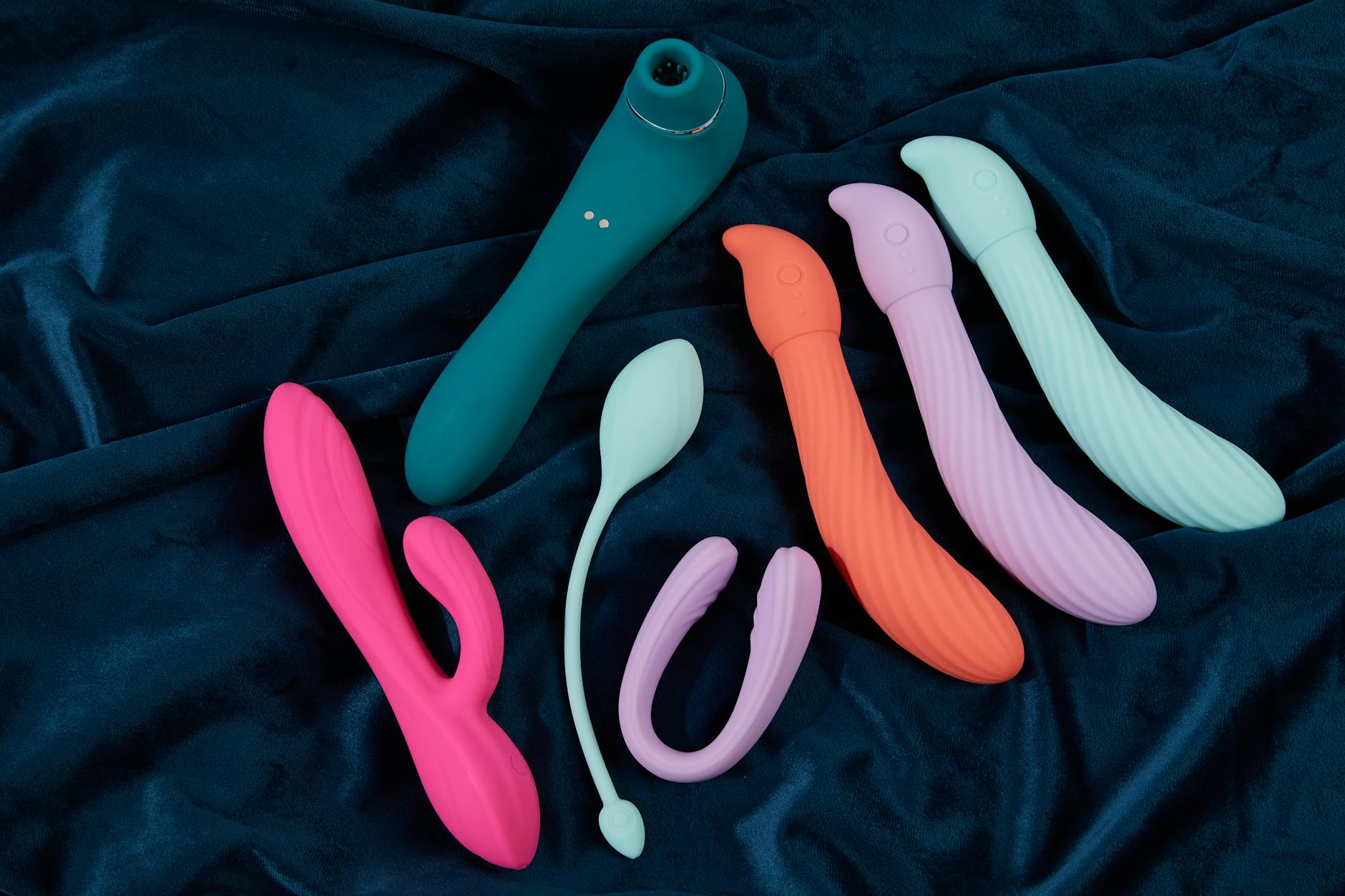
Photo by cottonbro studio on Pexels