Here's what nobody tells you about medication and pleasure
You start a new medication. Your doctor says "may cause reduced libido" or "sexual dysfunction" and you nod along, thinking it won't be that bad. Then it happens. Everything feels muffled. Numb. Like you're experiencing pleasure through a thick pane of glass.
This is real. It's also temporary.
The difference between medication-induced numbness and hormonal shifts is that medication hits the nervous system directly, which changes things faster but also means your body can recalibrate more quickly once it adjusts. Most people see improvement in 4 to 12 weeks. Some find that switching the timing of their dose or tweaking their routine rebuilds sensation almost immediately.
I've worked with hundreds of people navigating this exact scenario. What separates those who rebuild pleasure from those who give up is usually one thing: they understand what's actually happening and they use the right tool for the recalibration phase.
Why sensation flattens on new medication
Depending on what you're taking, several mechanisms are at play.
SSRIs and SNRIs (antidepressants) dampen dopamine and noradrenaline in specific brain pathways. Dopamine is the molecule that tells your nervous system "this is important, pay attention." When it drops, sensation becomes quieter. Blood pressure medications can reduce blood flow to the pelvic area, which makes arousal slower and orgasm harder to reach. Antihistamines dry you out everywhere, including tissue that needs lubrication. Some hormonal contraceptives alter testosterone availability, which affects desire and the quality of sensation itself.
The good news: none of these mechanisms damage the underlying neural architecture. Your clitoris hasn't changed. Your nerve endings haven't changed. What's changed is the chemical environment your nervous system is working in.
The first month: managing expectations
When you first start a medication, your body is making adjustments on multiple levels. The first 2 to 4 weeks are often the roughest because your nervous system is still learning how to function in the new chemical state.
During this phase, I recommend a specific approach: stop chasing the feeling you used to have. This sounds counterintuitive, but the moment you start comparing your body's current response to your baseline, you add shame and frustration on top of the physical flattening. That psychological layer makes everything harder.
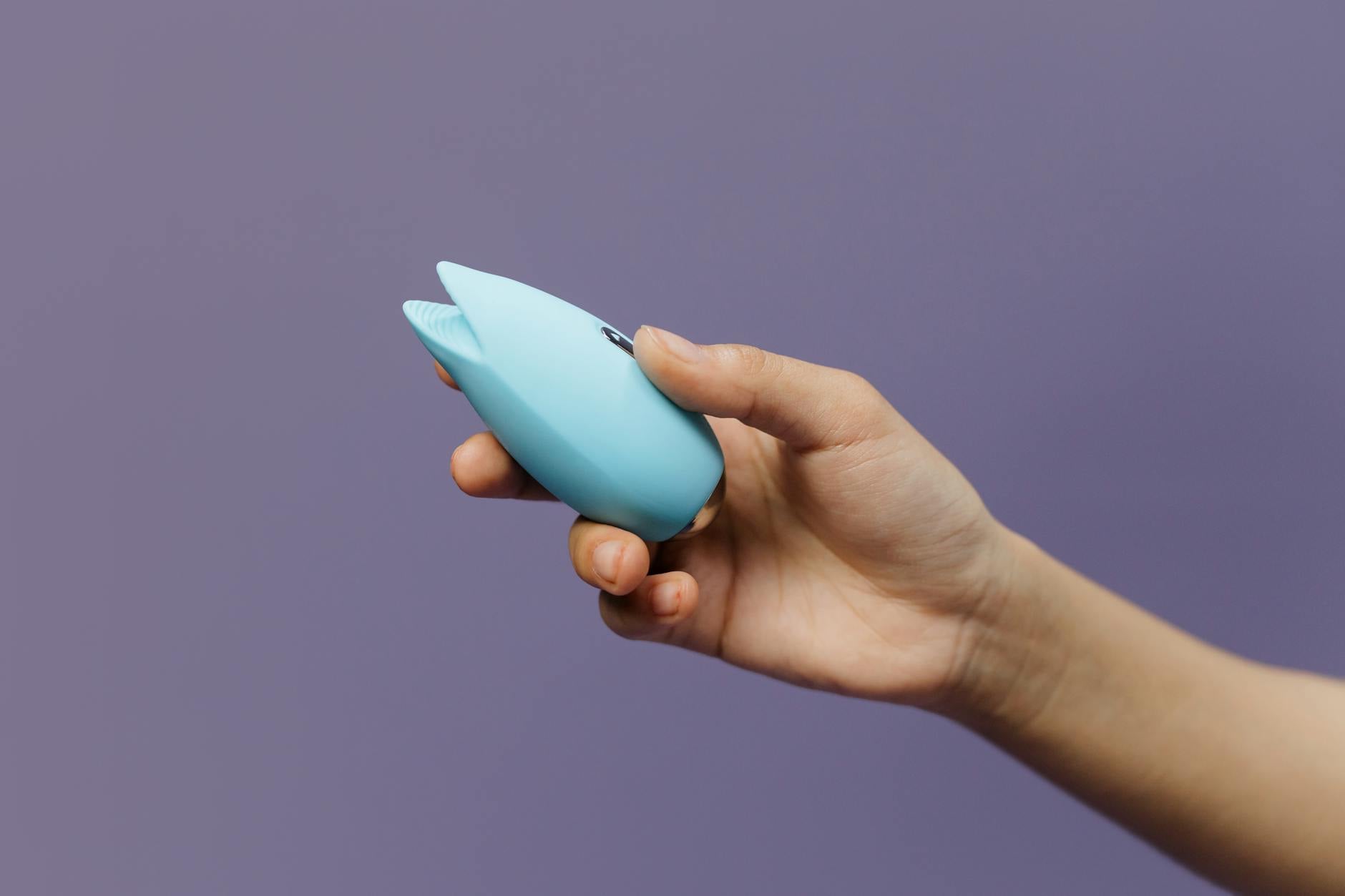
Instead, treat this time as a recalibration phase. Set aside time for pleasure without the expectation of orgasm. Yes, really. Spend 10 to 15 minutes using a lemon clitoral vibrator at low to medium intensity, focusing on what sensation you do feel rather than chasing what you don't. Some people find that using their device this way actually helps their nervous system reset faster because they're not adding performance pressure.
Why a lemon vibrator works differently during medication adjustment
A lemon sucker uses gentle suction combined with vibration, which means it engages the clitoris without requiring the same level of raw sensation that direct vibration demands. This matters enormously when your nervous system is dampened.
Direct vibrators need your nerves to be responsive and alert to feel satisfying. When medication flattens sensation, direct vibration can feel either totally absent or irritating depending on the intensity. A lemon vibrator's suction action creates a different kind of stimulation. It builds sensation gradually, pulls blood into the area naturally, and rewards patience in a way that can help jump-start a nervous system that's been quieted by medication.
Many of my clients who switched to a lemon clitoral vibrator during medication adjustment reported that patterns 1 and 2 felt revelatory. Not because the device is magic, but because the suction mechanism was literally helping them wake up sensation that had been dormant.
The protocol that actually works
Here's what I recommend to almost everyone navigating medication-induced numbness with a lemon vibrator.
Week 1 to 2: Start stupidly low. Use pattern 1 only. Spend 15 minutes focused on the feeling of suction building. Don't expect an orgasm. Don't expect fireworks. Expect a gentle, building sensation. Lubrication matters here even if you usually don't need it. Your nervous system is hypersensitive to friction right now, and adding a water-based lube removes that irritant quality.
Week 3 to 4: Introduce alternation. Try pattern 1 for 5 minutes, then 2 for 3 minutes, then back to 1. This variety helps your nervous system recognize different stimuli. It's like retraining your brain to pay attention. If you feel subtle numbness returning, drop back to pattern 1. There's no medal for moving faster.
Week 5 to 8: Build duration and explore sequences. You might spend 20 to 25 minutes total, mixing low and medium patterns. Some people find that switching between patterns is more effective than staying on one. Others find that staying with pattern 2 for a longer duration works better. There's no universal right answer, which is why this phase is about listening to your body rather than following a script.
After 8 weeks: Reassess. Most people report significant improvement by this point. Some feel like they're back to baseline. Others find a new baseline that's slightly different but completely workable. If you're not seeing improvement by week 8, talk to your doctor about timing adjustments or alternative medications. Some people's bodies respond better to taking their dose at a different time (morning vs. night can make a real difference). Others benefit from a brief medication pause if medically safe to discuss with their prescriber.
What helps beyond the device itself
The lemon vibrator is a tool, but it's not the whole picture. These three things make an outsized difference during medication adjustment.
Consistency beats intensity. Using your device for 12 minutes three times a week is more effective for nervous system recalibration than one 45-minute session per week. Your brain needs regular, gentle signals that sensation is returning. That happens through repetition, not duration.
Warm up your nervous system before you use the device. Spend 5 to 10 minutes doing something pleasurable but non-genital. A bath. Reading something that interests you. Touching yourself through your clothes. This primes your parasympathetic nervous system, which is where pleasure lives. Jumping straight to the device when your nervous system is in sympathetic (stressed) mode won't help.
Track how you feel, not just whether you orgasm. Keep a simple note about what you noticed. "Pattern 2 for 8 minutes felt tingly." "Took longer to feel anything today." "Switched to pattern 1 and sensation came back." This removes the pass-fail binary and helps you see the actual trajectory, which is rarely a straight line upward.
When to talk to your doctor
Most medication-related numbness resolves on its own with time and the right approach. But some situations warrant a conversation with your prescriber.
If you're eight weeks in and seeing zero improvement, medication timing or dose adjustment is worth discussing. Some people see their sensation return the moment they shift from taking their SSRI at night to taking it in the morning, or vice versa. Others need to switch to a medication in the same class that has fewer sexual side effects. Bupropion, for example, is sometimes used specifically because it doesn't dampen sensation the way SSRIs do.
If numbness is accompanied by significant mood changes, emotional flatness, or other side effects that feel worse than the original issue, that's also a signal to reach out. You shouldn't have to sacrifice pleasure to feel stable. Sometimes the right medication exists, it just hasn't been tried yet.
You are not broken
Medication-induced sensation changes are one of the most common sexual side effects people experience, and they're also one of the most treatable. Your nervous system is not permanently altered. Your capacity for pleasure hasn't disappeared. What's happened is temporary chemical recalibration, and your body is genuinely capable of remembering how to feel.
A lemon clitoral vibrator gives your nervous system a gentle way to practice. Start low. Be patient. Trust the process. Within a few weeks or months, you'll likely find that sensation returns in a way that feels familiar, or possibly in a way that's actually better than before.
If rebuilding pleasure on your own feels isolating or overwhelming, reaching out to a therapist or sex-positive physician can help. You're not the first person navigating this, and you won't be the last. What matters is that you stay curious about your body instead of resigned to it.
People also ask
How long does it take for medication to stop affecting sexual sensation?
Most people see noticeable improvement between 4 and 12 weeks of consistent use and nervous system recalibration. Some experience change within 2 to 3 weeks if they adjust medication timing. A small percentage need a medication change to see real improvement. The timeline depends on your specific medication, your dose, your body chemistry, and how you're approaching recalibration. Consistency matters more than speed.
Can I use a lemon vibrator while taking antidepressants?
Yes. A lemon sucker is actually one of the better choices during medication adjustment because the suction stimulation can help wake up sensation more effectively than direct vibration when your nervous system is dampened. Start at the lowest intensity and build gradually as sensation returns. Lubrication helps even if you don't usually need it.
Does medication numbness mean my orgasms are gone permanently?
No. Medication flattens sensation temporarily, it doesn't rewire your nervous system. Most people's orgasms return as their body adjusts to the medication or as they find the right recalibration strategy. Some people find that their orgasms feel different but equally satisfying. A small percentage need medication adjustment, which is worth discussing with your doctor.
Should I switch medications to get my sensation back?
Not necessarily your first move. Give your current medication 8 to 12 weeks with consistent recalibration before considering a switch. If sensation hasn't returned by then and it's significantly affecting your quality of life, absolutely have that conversation with your prescriber. Some medications in the same class have fewer sexual side effects. Some dosing adjustments help. But this is a joint decision with your doctor, not something to do on your own.
What's the difference between medication numbness and hormonal numbness?
Medication numbness happens more quickly and is usually more uniform across all types of stimulation. Hormonal numbness often feels texture-specific (direct vibration bothers you but suction feels fine, or vice versa). Both respond to tools like the lemon clitoral vibrator, but medication numbness often shows improvement faster once you commit to consistent gentle recalibration. Hormonal numbness usually requires longer-term adjustment alongside other strategies.
Can I use a lemon vibrator if I'm on birth control and experiencing numbness?
Absolutely. Some hormonal contraceptives suppress sensation by reducing testosterone availability. A lemon vibrator's suction action is often more effective than direct vibration in this scenario because it engages different nerve pathways. Use it consistently on low to medium patterns, and talk to your doctor about whether adjusting your contraceptive method might help. Some people find that switching to a different formulation or non-hormonal option restores sensation significantly.
Your body isn't broken. Your nervous system just needs time and the right signals to remember how to feel. Start with lower intensity lemon vibrator settings for sensitive tissue, stay consistent, and give yourself grace through the adjustment period. If you're rebuilding pleasure with a partner, these strategies for reconnecting after medication changes can help you both feel more secure through the transition.
If you're struggling with how to move forward, reach out. You don't have to figure this out alone.