
Let's start with the thing everyone's thinking
Using a lemon clitoral vibrator solo while in a relationship doesn't automatically require your partner's permission or knowledge. That's the straightforward part. The harder part is knowing when secrecy makes sense and when avoidance is actually eroding something you care about. There's a difference between privacy and deception, and understanding that difference changes everything.
Why people use vibrators solo within relationships
There are maybe five solid reasons someone reaches for a lemon vibrator when their partner isn't around.
First: mismatched frequency. Your partner wants sex twice a month. You want it twice a week. A lemon vibrator isn't a replacement for that conversation, but it's a functional reality for the gap in between. Second: specific sensation. Your partner's touch doesn't trigger the same pattern or intensity your body needs. A suction-based clitoral vibrator like the Lem works completely differently than fingers or penis, and sometimes your nervous system just wants that specific stimulation. Third: timing. You have 15 minutes before work. Your partner needs 45 minutes of foreplay. Your vibrator doesn't.
Fourth: reclaiming autonomy. After years of calibrating your pleasure around someone else's schedule or comfort, solo pleasure becomes less about friction and more about remembering what you actually like. Fifth: recovering sensation. If you've noticed numbness or desensitization, using a lemon vibrator alone lets you explore without performance pressure or your partner misinterpreting slower response time as lack of interest in them.
All of these are legitimate. None of them are betrayals.
The privacy versus secrecy question
Here's the distinction that matters in your specific relationship. Privacy is having a shower without an audience. You don't narrate your shower to your partner. No one expects you to. It's autonomous space. Secrecy is deliberately hiding something because you know your partner wouldn't approve and you're choosing not to risk the conversation.
Using a lemon vibrator in private is privacy. Using one and lying about what you do in the shower is secrecy. The gap between those two things determines whether this stays functional or starts corroding trust.
Most long-term couples coexist in plenty of privacy without secrecy. Your partner doesn't know what you think about at 3 a.m. They don't know every conversation you have with friends. They don't need to. The rule of thumb is this: if you'd feel genuinely ashamed or defensive if they found out, it's probably moved from privacy into secrecy territory. That doesn't mean it's wrong. It means it's worth examining.
What your partner actually needs to know (and what they don't)
You don't owe your partner a play-by-play of solo pleasure. You also don't owe them permanent secrecy about it.
What they deserve is honesty about the bigger pattern. If you're using a lemon clitoral vibrator three times a week because your partner's touch stopped working for you months ago, that's information that affects both of you. Not because vibrator use is wrong, but because the underlying issue is. If you're using it because you simply want solo pleasure and autonomy, that's less urgent to disclose immediately. Many couples figure this out organically over time.
The pivot usually happens when something changes. You want to use your vibrator during partnered sex. You want them to see it or touch it. You want the pleasure to be shared somehow. In that moment, privacy tips toward conversation because the boundary has shifted.
Here's what I tell couples in my practice: the conversation doesn't have to begin with "I've been using a vibrator." It can start with what's actually true. "I want to explore my pleasure more during sex with you. I've noticed what works best for my body." Then, if they ask about solo use, you answer honestly. If they don't ask, that's also information.
Practical decisions about storage and access
If you're keeping a lemon vibrator hidden from your partner, you need a real storage plan, not just shoving it under the bed and hoping.
A locked drawer in your nightstand works. A secure cosmetics bag in a closet shelf. Some people keep theirs in a lockable box disguised as something else. The point isn't that it's scandalous. The point is that privacy of belongings is normal and reasonable. Your toothbrush isn't hidden, but your vibrator is different partly because of shared space.
Here's the harder part: charging. The Lem vibrator takes about an hour to charge fully. You can't really do that under a pillow. If you're in a situation where you absolutely cannot let your partner see a vibrator, then managing the logistics becomes complicated. If that logistics problem feels impossible to solve, it's a sign the secrecy piece might be worth reconsidering.
When to have the conversation (and how)
There are basically three moments when disclosure shifts from optional to necessary.
First: they're about to find it themselves. Laundry day. Cleaning day. Honestly, the longer you wait in this scenario, the worse the conversation goes. "I use a vibrator sometimes" is different from "I've been hiding this from you."
Second: you want to integrate it into shared pleasure. You're interested in using it during sex together, or you want them to see it, or you want to talk about sensation and pleasure more openly. This is actually a good thing. It means the relationship is ready for more transparency.
Third: the secrecy is eating at you. If you feel guilty every time you lock the bathroom door, or you're anxious your partner will find out, the emotional cost is already high. That's worth addressing, even if it feels scary.
When you do have the conversation, start with the truth about what you actually want, not the apology. "I've been using a vibrator because my body needs a specific kind of stimulation" lands better than "I'm sorry, I've been hiding something." The apology suggests you did something wrong. The honesty suggests you know your body.
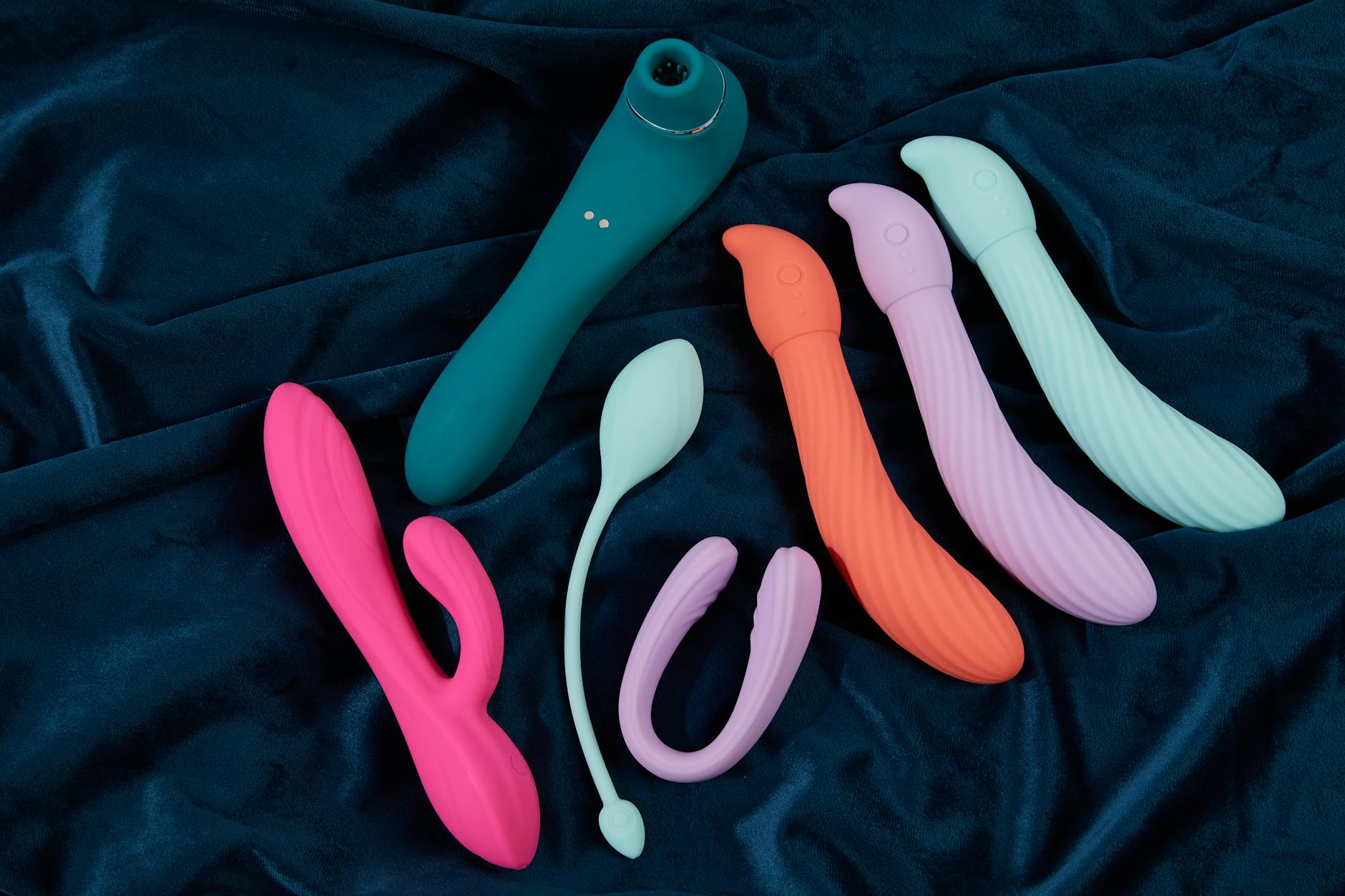
Photo by IFONNX Toys on Pexels
What often happens after you tell them
Some partners feel hurt initially. That's real. They might interpret it as "you're not enough for me." That interpretation usually reflects their own insecurity more than your reality, but their feelings still matter. The conversation to have then is about what a lemon vibrator actually does and doesn't do. It builds sensation, not replaces connection. It's solo autonomy, not rejection of partnership.
Other partners feel curious. They want to know what it feels like, whether they can watch, whether you'd want to use it together. That conversation often leads somewhere genuinely good, because now pleasure is shared information instead of parallel secrets.
Some partners won't care much either way. They're comfortable with you having autonomous pleasure. That's healthy. That means you probably didn't need the secrecy in the first place.
The outlier is a partner who forbids it or demands you stop. If that happens, that's information about your relationship that's bigger than the vibrator. A loving partner might need time to adjust. A controlling partner uses vibrator use as leverage. Those are different problems requiring different responses.
How to actually use your lemon vibrator when you're alone
Practically speaking, the logistics are straightforward. You have time alone. You know roughly how long you need. You use the vibrator the way you would use any clitoral vibrator. If you're new to this and nervous, start at a lower pattern and build up. Why Lemon Vibrators Need Longer Warm-Up Time to Work Best explains the rhythm your body might need.
Use lubricant if the sensation feels intense or uncomfortable. Water-based works best with silicone. Find a comfortable position. Many people prefer lying down or reclining. Some prefer sitting. Whatever works for your body. Respect your own pace. This isn't a performance.
Pay attention to what actually works. Specifically, note the pattern, intensity level, and duration. That information becomes useful later if you ever want to use a lemon vibrator with a partner. You'll know what your body responds to, which takes the guesswork out of the conversation.
The bigger picture here
Using a lemon vibrator solo while partnered isn't inherently a relationship problem. But using one secretly forever is. The goal isn't necessarily to tell your partner tomorrow. The goal is to move toward a relationship where you eventually can, without shame or consequence. That might be months away. That might be years. But the direction matters.
In the meantime, privacy is fine. Honesty with yourself about why you're keeping it private is essential. And if you reach a point where the secrecy feels heavier than the pleasure, that's the moment to have the conversation.
Your autonomy and your partnership aren't in conflict. They're supposed to coexist. A vibrator is just a tool that reminds you that you deserve both.
People also ask
Is using a vibrator while in a relationship considered cheating?
No. Using a clitoral vibrator for solo pleasure isn't cheating unless you and your partner have explicitly negotiated different boundaries. Cheating involves betrayal of agreed-upon commitments. Solo pleasure is autonomous sexuality. The difference matters. That said, if you're hiding it and your partner would consider it a betrayal if discovered, then the secrecy is the issue, not the vibrator itself. The solution is conversation, not abandoning the vibrator.
Should I tell my partner I use a lemon vibrator?
That depends on your specific relationship agreements and your comfort level. If you're keeping it secret because you genuinely prefer privacy around solo pleasure, that's reasonable. If you're keeping it secret because you're afraid of your partner's reaction, that signals something worth examining. Long-term, most couples benefit from being able to talk about pleasure and autonomy openly. The timing and approach matter more than the disclosure itself.
What if my partner finds out and gets upset?
Listen first. Let them say why they're upset without defending. Common reactions are "I feel inadequate" or "I feel lied to." Address what's actually underneath. Then explain what a vibrator does and doesn't mean for your relationship. If they're upset about secrecy, apologize for that. If they're upset about vibrator use itself, that's a conversation about boundaries and autonomy that goes deeper than the vibrator.
Can I use a lemon vibrator without my partner noticing?
Yes, with practical planning. Use it when you have genuinely private time. Shower, when you're home alone, when your partner is asleep. Store it safely and charge it discreetly. The real challenge isn't the vibrator itself. It's whether the secrecy is sustainable long-term without eroding your sense of ease in the relationship. Privacy is normal. But if privacy is starting to feel like hiding, that's the signal.
What if my partner wants to use it during sex but I wanted it to stay private?
That's your choice. You get to set boundaries around what you share and what you keep solo. You can say "I like using this alone, but I'm open to exploring together in a different way." Or "I need this to be my private thing right now." Clear boundaries are healthier than going along with something because you feel guilty about the secret.
How do I bring up vibrator use without making my partner feel inadequate?
Frame it around your body, not theirs. "My body responds really well to this specific sensation" is different from "you're not enough." Talk about what a clitoral vibrator does: it delivers a pattern and intensity that's physically different from hand or penis stimulation. It's not better or worse. It's just different. Many partners feel much less threatened when they understand it's about sensation, not satisfaction with them.
Your pleasure matters. Your autonomy matters. Your partnership matters. Using a lemon vibrator solo while in a relationship doesn't require choosing between those things. But it does require honesty with yourself about why you're keeping it private, and eventually, it might require honesty with your partner too. Start there.