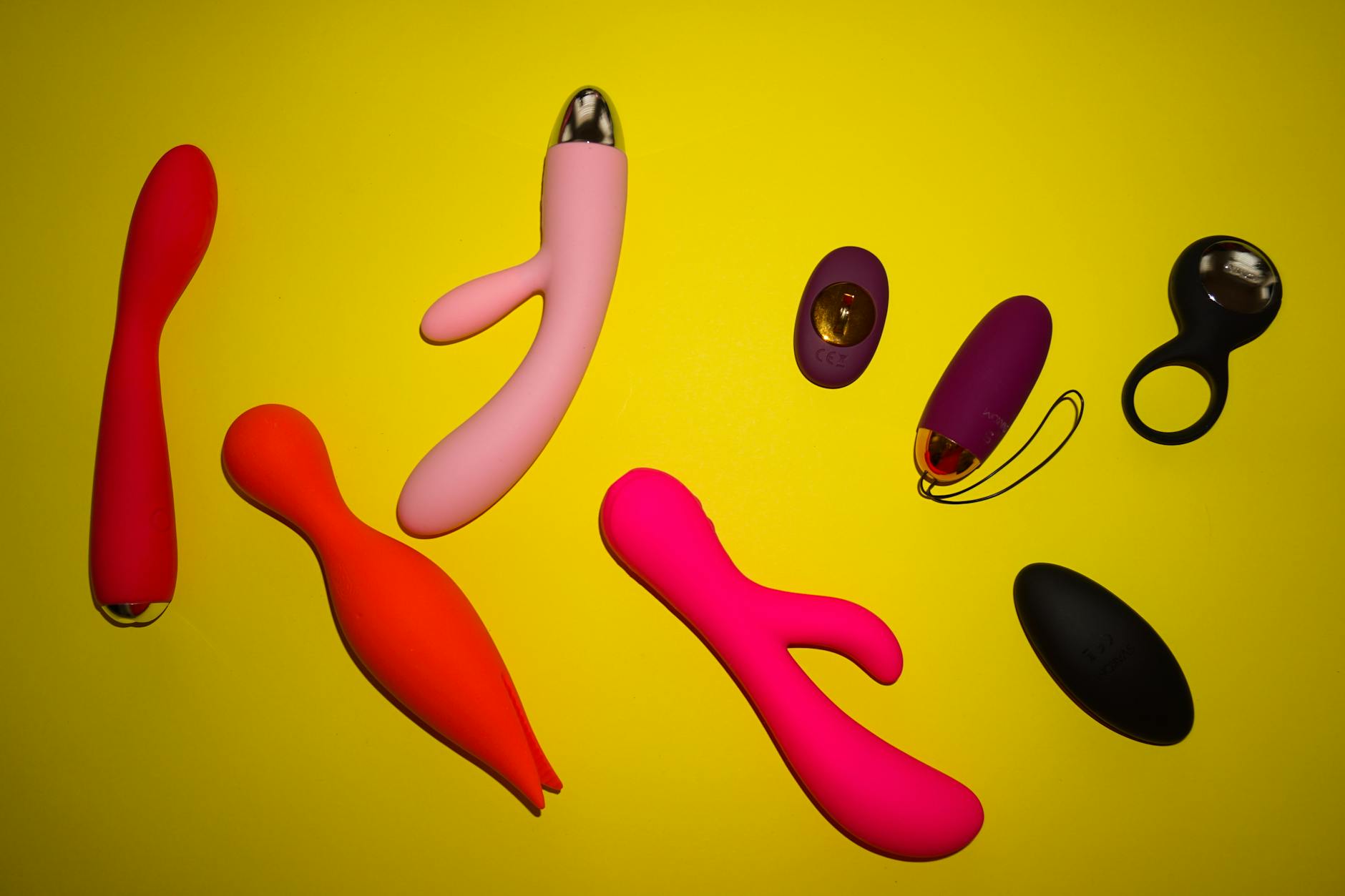
Let's be real about postpartum intimacy
The first time you think about pleasure after childbirth, guilt shows up in the room with you. You're exhausted. Your body doesn't quite feel like yours. Your pelvic floor is either in recovery mode or wondering if it will ever work right again. And somewhere in there, you're supposed to want sex again. Or at least, that's what the culture tells you.
Here's what I tell my clients: restarting intimacy after childbirth isn't about forcing yourself back to baseline. It's about meeting your postpartum body where it actually is, with patience and the right tools. A lemon clitoral vibrator can be part of that process. Not because you're broken. Because you deserve pleasure, on your own timeline.
Why your body feels completely different
Six weeks postpartum is when your doctor gives you the medical all-clear. That doesn't mean your nervous system is ready. The hormone drop after giving birth is steeper than the hormone shift during menopause. Your pelvic floor muscles have been stretched, possibly torn, and are in the early stages of rebuilding. Prolactin (the milk-production hormone) actively suppresses arousal. Your sleep is fragmented. You're touched out from feeding and holding a baby all day.
That's not a sign you've lost your sexuality. That's your body working exactly as it's designed to work right now. The timeline for when pleasure returns isn't weeks. For many people, it's months.
One statistic that surprised most of my postpartum clients: only about 40 percent of people feel genuinely interested in sex at the three-month mark. By six months, that number rises to about 65 percent. By a year, most people report their desire returning, though it often looks different than it did before.
The pelvic floor piece everyone skips
You cannot rush pelvic floor healing. If you had a vaginal delivery with tearing, even minor tearing, your pelvic floor tissues need time to knit back together properly. If you had a C-section, you're healing from major surgery. Your core is compromised. Kegels won't fix this yet. In fact, doing intense pelvic floor exercises too early can actually delay healing.
Here's what I recommend instead:
Weeks 2-8: Focus on gentle awareness. Lie on your back with knees bent. Place one hand on your lower belly, one on your pelvic floor. Breathe in for a count of four. As you exhale, imagine your pelvic floor gently softening, like an elevator descending slowly. No clenching. This is about reconnecting with those muscles, not strengthening them yet.
Weeks 8-12: If your doctor cleared you and you have no pain, you can start gentle pelvic floor physical therapy exercises. A pelvic floor PT can assess whether you're ready. Don't skip this step based on what the internet told you.
Months 3+: This is when a lemon clitoral vibrator makes sense as part of your pleasure toolkit. Not before.
How to actually restart pleasure with a lemon vibrator
When you're ready (and I mean actually ready, not calendar-ready), a lemon vibrator offers something specific that manual stimulation doesn't: consistent, adjustable sensation without fatigue. This matters when your pelvic floor is still relearning how to respond.
Start solo. This isn't selfish. Reconnecting with your own pleasure separate from partner pressure is the foundation. Spend time understanding what feels good now. Your body has changed. Your preferences might have too.
The first session:
Set a realistic time window. You have fifteen minutes of interrupted peace. That's your window. Block it on your calendar if you need to. Full stop, guilt-free.
Start with the lemon vibrator on the lowest setting. Pattern 1 or 2. Don't aim for orgasm. Aim for sensation. Spend five minutes just noticing how it feels against your tissue now. Does the intensity feel appropriate? Does anything hurt? Does anything feel numb? This is data collection, not performance.
If arousal builds, great. If it doesn't, that's also fine. Your nervous system is healing. Pleasure will return.
Building over weeks:
Consistency matters more than intensity. Using the lemon vibrator twice a week for ten minutes does more for pelvic floor retraining than once a month for an hour. It teaches your nervous system that this sensation is safe and normal. Your arousal response will gradually rebuild.
As your comfort grows, you can explore higher settings on the lemon clitoral vibrator. But start low. Your tissue is still healing.
Bringing your partner into this (when you're ready)
This conversation needs to happen before you integrate your partner. Sit down, not during sex, and be direct: "My body is healing. I want to rebuild pleasure, but on a different timeline than before. Can you help me with that?"
Listen to what your partner says without defending. They might feel guilt about your recovery. They might feel rejected. They might not know what to do. None of that is your job to fix right now. Your job is to heal.
If your partner is supportive, you might explore using the lemon vibrator together. This can feel less pressured than partnered sex because there's no performance expectation. You're not trying to orgasm on their timeline. You're both just present while you reconnect with your own sensation.
If your partner is impatient or dismissive about your recovery timeline, that's a separate problem. That's worth addressing with a couples therapist or by looking at whether this partnership is actually serving you. [Feeling disconnected from your partner postpartum is common], and it often needs outside help to heal.
The emotional piece that therapists always mention
Postpartum bodies carry grief alongside joy. You might miss your pre-pregnancy body. You might feel resentful that your partner's body didn't change while yours is still recovering. You might feel touched out and simultaneously lonely. You might feel like you're failing at postpartum recovery because you're not "back to normal" on anyone else's timeline.
All of this is normal. And all of it can get in the way of pleasure if you don't name it.
Using a lemon vibrator isn't a shortcut around this emotional work. But it can be a way of saying to yourself: "My pleasure matters. My body matters. I'm worth taking time for." That's not frivolous. That's foundational.
When to check in with a professional
If you have pain during any sexual activity at six months postpartum or beyond, see a pelvic floor physical therapist. Postpartum pain is common but not normal and it's treatable.
If your desire hasn't returned at all by nine months, talk to your OB or GP. Sometimes postpartum depression shows up as complete loss of sexual interest. Sometimes it's a thyroid issue. Sometimes it's both. Getting checked matters.
If you and your partner are really struggling to reconnect, a couples therapist who understands postpartum recovery can help you navigate this transition without resentment building. This period of your relationship is real and it's temporary. Both things can be true.
The timeline you actually get to set
Someone will tell you that you should be ready for sex at twelve weeks. Someone else will tell you that you're lucky if you feel anything at all for a year. Both are too prescriptive. Your body gets to decide when it's ready. Your nervous system gets to decide when pleasure feels possible. A lemon vibrator is there when you are. Not before. That's the whole point.