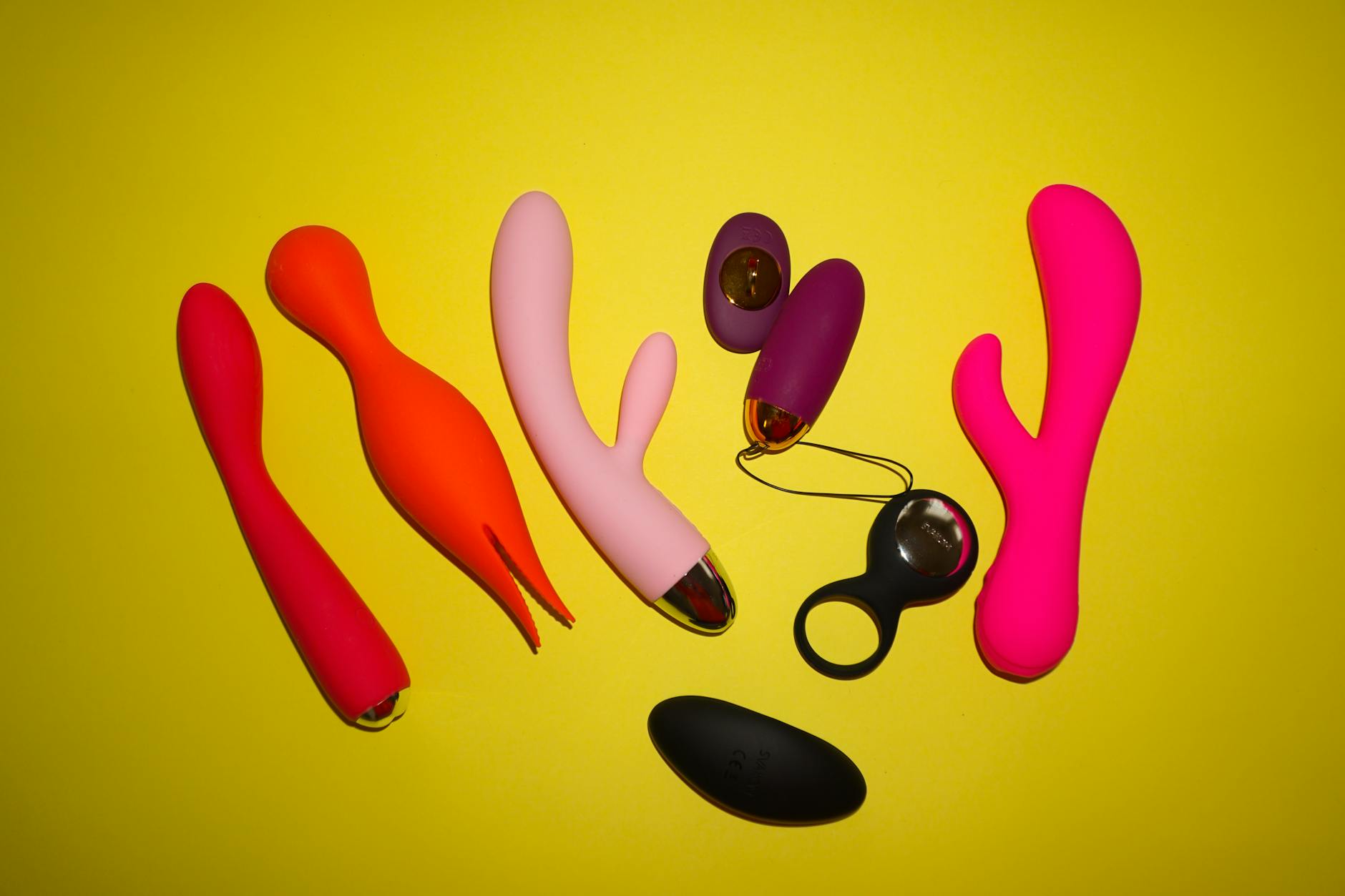
Here's the part nobody talks about clearly
When you haven't experienced pleasure for years, your body doesn't just pick up where it left off. The neural pathways that connected stimulation to sensation get quieter. Your pelvic floor tightens from disuse. Your skin becomes less sensitive to touch. And then you try a vibrator, expect fireworks, and instead feel almost nothing. This is not broken. This is what happens to every body after an extended absence.
The good news is that sensitivity returns faster than you'd think. But it requires patience, the right starting point, and tools designed for rebuilding sensation rather than chasing intensity. A lemon clitoral vibrator works differently than other toys because of how the suction mechanism engages nerve endings. For someone restarting after years, this matters.
Why years without pleasure change your physical response
Think of pleasure sensation like a muscle that atrophies. When you don't use the neural pathways for arousal and orgasm, they become less efficient at firing. Your clitoris still has 8,000 nerve endings, but the communication between those nerve endings and your brain loses bandwidth. Meanwhile, the pelvic floor muscles contract slightly because they're not being engaged regularly. That tightness creates a barrier to sensation, not pleasure itself.
Hormonal shifts matter too. If you've spent years stressed, in a disconnected relationship, or managing undiagnosed depression or anxiety, your cortisol and adrenaline have been elevated while your dopamine and oxytocin have been low. This hormonal imbalance literally reduces how much pleasure your brain can register, even when your body is being stimulated.
The other factor is what I call "permission debt." After years of not prioritizing your own pleasure, your nervous system has learned that this isn't safe, isn't important, or isn't for you. Restarting isn't just physical. It's convincing your body that pleasure is allowed again.
Why a lemon vibrator is different for restarting
Most vibrators rely on speed and intensity to create sensation. They work well for bodies that already know how to respond. But for someone rebuilding sensitivity, this is backward. High intensity on a numb area doesn't feel good. It feels either like nothing or like unpleasant buzzing.
Lemon clitoral vibrators, including the Lem, use air-suction technology instead of pure vibration. Suction stimulates the entire clitoral network, including the internal branches that extend several inches into the body. It also distributes pressure more gradually than vibration does. This means you get consistent, building stimulation rather than sharp intensity. For a nervous system that's been quiet, this is the right pace.
The Lem also has distinct intensity settings that matter when you're restarting. You're not trying to jump to pattern 8 and experience something. You're starting at pattern 1 and learning to notice what pattern 2 feels like compared to pattern 1. This rebuilds the sensitivity gradient.
The timeline you should actually expect
I want to give you realistic expectations because false hope is worse than honesty. When you restart after years:
Week 1-2: You might feel almost nothing on settings 1-3. This is normal. Your body is waking up. You're also managing the psychological friction of "is this working?" Continue anyway, focusing on the sensation of suction itself rather than chasing an endpoint.
Week 2-4: You'll start noticing distinct differences between patterns. A subtle warmth or responsiveness might appear. You might not feel close to orgasm, but you'll feel something changing.
Week 4-8: Sensitivity accelerates. Many people report that their first orgasm after years comes around week 5-6 of consistent use. It's often not explosive. It might be subtle. But it's real.
Week 8+: As your nervous system confirms that pleasure is safe and consistent, sensitivity deepens. Orgasms become easier to reach and more varied in intensity.
This timeline assumes you're using the lemon vibrator 2-3 times per week. More frequent use accelerates the process. So does managing stress and sleep, which rebuild cortisol baseline.
How to actually start: the first session
Don't begin with penetration or other stimulation. Start with just the Lem on the lowest setting, dry (no lubrication needed with a suction toy, though water-based lube is fine if you want it). Spend 10-15 minutes exploring how each pattern feels on different parts of your clitoris. Top, sides, directly on the opening, over the hood. This isn't trying to come. This is map-building.
You might feel almost nothing. That's okay. Your job is to be present with whatever sensation exists, no matter how faint. This trains your brain to attend to pleasure signals instead of dismissing them.
After a week of this exploration phase, move to 20-minute sessions and add a small amount of water-based lubricant. This improves the suction seal and often makes sensation more apparent. Still stay on lower patterns. Still focus on presence over outcome.
The mistakes that slow your restart
The biggest one is jumping to high intensity too soon because you're frustrated nothing's happening. This backfires. High intensity on a desensitized area feels harsh and can actually create protective tension in your pelvic floor, making the problem worse.
The second is using the lemon vibrator only when you're already aroused. You want to use it to build arousal, not as a finishing tool. Start dry and low, let sensation accumulate, and only then add lubrication or other stimulation.
Third is using it once a week and expecting rapid progress. Your nervous system needs regular signaling that pleasure is available. Two to three times weekly is the minimum for rebuilding.
Fourth is comparing your restart to someone else's experience or to your own pre-absence pleasure. You're not supposed to feel like you did years ago right now. You're rebuilding from a different place. That process is slower, and that's fine.
Mental barriers that are actually physical
If you've spent years without pleasure, shame or guilt often lives in your body as much as in your mind. Your pelvic floor might clench unconsciously. Your breathing might shallow when you try to focus on sensation. Your brain might go blank or intrude with critical thoughts.
All of this is normal after years away. You're retraining not just nerve sensitivity but also your nervous system's relationship to relaxation and self-care. Here's what helps: set a timer for 15 minutes so you're not watching the clock. Put your phone in another room. Use a setting where you don't feel pressure to achieve anything. And breathe. Literally deep breathing for two minutes before you start signals your nervous system that this is safe.
If intrusive thoughts are loud, say "thanks, brain" and return attention to sensation. Don't fight the thoughts. Just notice them and redirect.
When you might need outside support
If after 8-10 weeks of consistent use you're still feeling nothing, talk to a gynecologist or sex therapist who specializes in desire or arousal issues. Sometimes there's an underlying medical reason like hormone deficiency, nerve damage, or medication side effect that needs attention. Sometimes there's a trauma response that benefits from therapy before vibrators can help.
Also reach out if you're feeling shame or resistance that prevents you from even trying. A therapist who specializes in sexuality can help you examine where that barrier comes from and whether it's based on old messaging or current reality.
Why this matters beyond the obvious
Restarting pleasure after years is about reclaiming permission for your own body. It says "I deserve to feel good." It says "My sensation matters." It says "This time is for me." That might sound soft, but neurologically, it's powerful. When you prioritize your own pleasure, you're literally retraining your nervous system to value yourself. That ripples into how you set boundaries, how you communicate in relationships, and how you respond to stress.
A lemon clitoral vibrator is a tool. But what you're doing when you use it is bigger than the tool. You're telling your body that pleasure is coming home.
People also ask
How often should I use a lemon vibrator when restarting after years?
Start with 2-3 times per week for 15-20 minutes. More frequent use (daily or every other day) accelerates sensitivity rebuilding, but consistency matters more than frequency. Two sessions per week for ten weeks beats one session per week for twenty weeks. Your nervous system needs regular signals that pleasure is available and safe.
Why does nothing feel like much at first with a lemon sucker?
After years without stimulation, your nerve pathways go quiet. They're still there, but they're not firing efficiently. The suction technology in a Lem engages the entire clitoral network gradually, not aggressively. This means sensation builds slowly, which is actually ideal for rebuilding. Patience for 2-3 weeks usually brings noticeable change.
Can I use a lemon vibrator alone after years, or do I need a partner?
Solo use is often easier when restarting because you're not managing another person's expectations or timing. You can focus entirely on learning what your body feels. If you have a partner, they can be supportive by giving you solo time and space to explore without pressure. Many couples find that one partner restarting pleasure actually improves both partners' experiences later on.
Should I use lubrication when I restart with a lemon clitoral vibrator?
Start dry for the first week or so. Suction works without lubrication, and starting without it helps you feel the sensation more clearly. After that, a small amount of water-based lubricant can improve the suction seal and often makes sensation more apparent. Silicone-based lube damages silicone toys, so stick to water-based.
What if I still feel nothing after a month of using a lemon vibrator?
First, check that you're using the lowest settings and focusing on presence rather than outcome. Sometimes people skip the exploration phase and jump straight to outcome-chasing, which creates pressure that blocks sensation. Also consider whether stress, sleep deprivation, or medication side effects might be interfering. If you're doing everything right and still feel nothing after 6-8 weeks, talk to a gynecologist or sex therapist who can rule out medical causes or help with deeper resistance.
Is it normal to feel emotional or cry when pleasure returns?
Completely normal. After years without pleasure, that first moment of genuine sensation can trigger grief, relief, joy, or a complicated mix of all three. Your body is releasing years of disconnection. Let it. Crying during or after a pleasure session means something is moving and healing. That's a good sign.
Restarting is a form of reclamation
Years away from pleasure changes your nervous system, your pelvic floor, and your relationship with your own body. But none of that is permanent. A lemon clitoral vibrator offers a specific tool: gradual, building sensation through suction rather than intensity. Paired with patience and consistent use, it works. Your sensitivity will return. Your nervous system will learn that pleasure is safe. And that matters, not just for the orgasm itself, but for what it represents: permission to value yourself.
If you're ready to restart or you're struggling to know where to begin, reach out to our team. We've guided hundreds of people through exactly this journey.