Let's start with the hardest part
Recovering pleasure after sexual trauma isn't about getting back to normal. It's about building something entirely new on your own terms. That distinction matters because "normal" might have included pressure, disconnection, or violation. What you're actually rebuilding is safety, autonomy, and the right to feel good in your own body.
Here's what I tell clients in my practice: pleasure after trauma is not indulgence. It's evidence that you're healing.
Why a lemon vibrator might be different
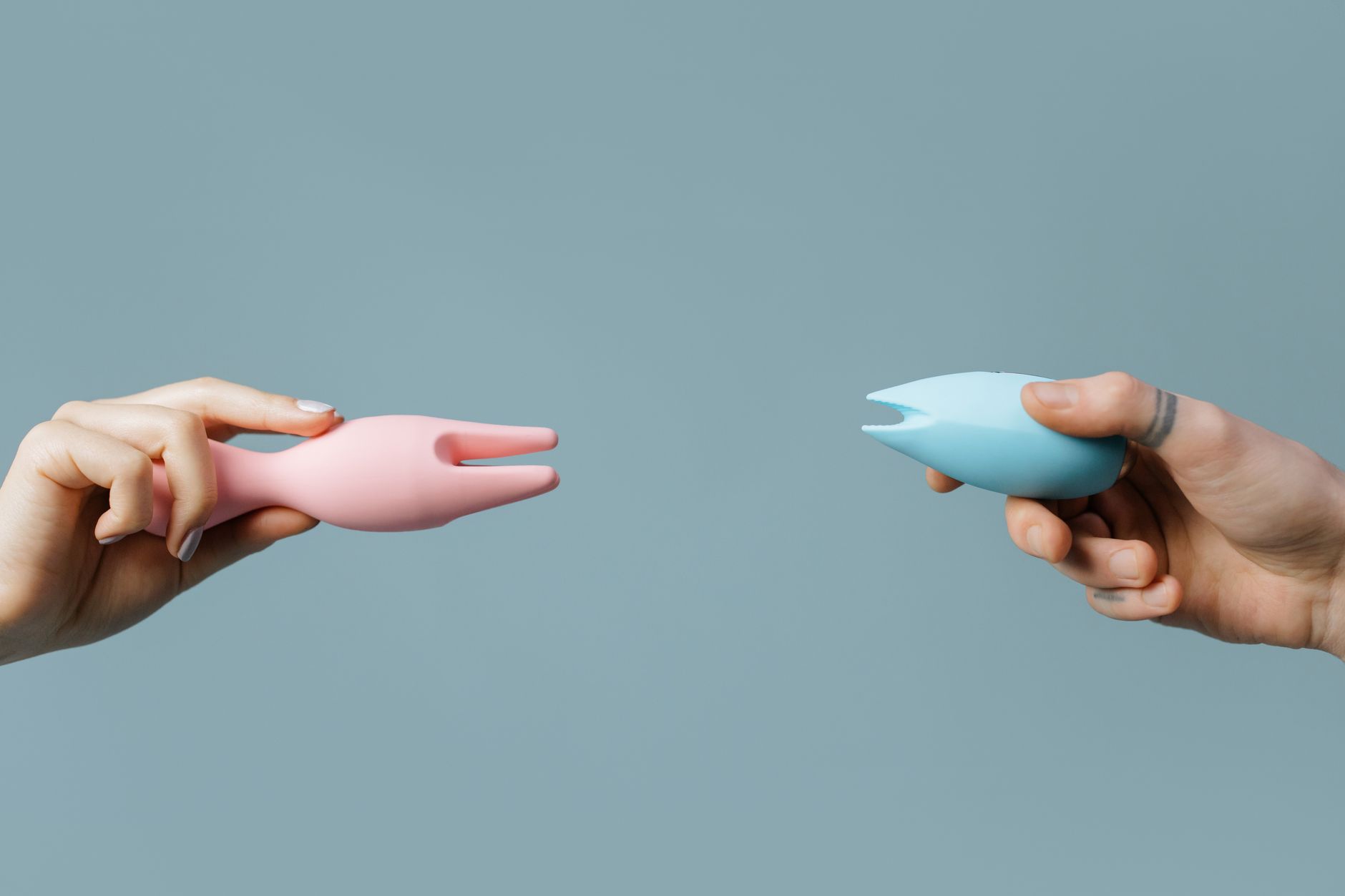
Clitoral vibrators like the Lem offer something that fingering or partnered touch sometimes cannot during early recovery: complete control. You decide the speed, the intensity, the exact moment of contact, and when it stops. There's no performance demand, no watching someone else's face, no negotiating your own pace with another person's desire.
The suction mechanism on air-pulse devices adds another layer of safety. It's a different sensation than vibration alone, and many trauma survivors report that the indirect stimulation feels less triggering than direct pressure. The Lem's graduated intensity levels mean you can start at barely perceptible and build only as far as feels okay today. Tomorrow might feel different. That's the point.
This isn't a substitute for therapy. But it's a tool that can help you reconnect with physical sensation on your timeline, which is foundational work.
Preparing your nervous system first
Before you even touch a vibrator, your body needs to know it's safe. That sounds abstract. It's not.
Spend a few days doing grounding work. I'm talking about body scans, breathing exercises, or simple tactile awareness like holding ice or warm water. The goal is to help your nervous system learn that sensation can be neutral or pleasant. Your brain might have learned that bodily sensation equals danger. You're gently retraining that association.
Choose a time when you're genuinely relaxed. Not "I'm free for twenty minutes," but actually relaxed. Cortisol and adrenaline dampen arousal and increase pain perception. If you're anxious or rushed, your body will defend itself, and that's not failure. It's information.
Have a plan to feel safe after. For some people that's wrapping up in a favorite blanket. For others it's journaling, or calling a trusted friend, or sitting outside. Anticipate what you'll need before you start.
Your first session with a lemon vibrator
Don't start with the vibrator inside or directly on skin. Don't even turn it on yet.
Hold it. Feel its weight. The silicone warmth. The shape. You're building a new neural pathway: this object equals something I control, not something done to me. That matters.
When you're ready, turn it to level one. Just listen to the sound. Some survivors find vibration sounds triggering because they weren't expecting them. Hearing it without sensation takes the surprise away.
Now apply it over your underwear or a thin layer of fabric. Level one, outside the body, no pressure. You're still building safety and habituation.
If at any point you feel a surge of anxiety or your body tenses, stop. Don't push through it. This isn't about toughness. Your nervous system is telling you something important. Set the vibrator down. Breathe. Journal what happened. Then wait.
When to progress (and when not to)
Progressing too quickly is the most common mistake. People think they "should" be further along than they are.
You're ready to increase intensity only when:
- You've used the vibrator on the lowest setting, fully clothed or over underwear, for multiple sessions without anxiety
- Your body doesn't jolt or tense involuntarily
- You can stop and start without feeling panicked
- You're genuinely curious about what the next level feels like
Notice that "your partner thinks you're ready" is not on that list. Neither is "it's been X weeks since the trauma." Recovery timelines are individual. Pressure is the enemy.
If you do progress to skin contact, use a water-based lubricant first. Not because anything is wrong with your body, but because lube reduces friction, which reduces the chance of overstimulation triggering your nervous system. It also changes the sensation profile completely.
Apply the vibrator low and slow. Many people feel safer starting at the base of the vulva or the inner thigh rather than directly on the clitoris. Let your body tell you what it wants.
Building sustainable pleasure
Most trauma survivors report that their arousal comes and goes unpredictably during early recovery. One week feels great. The next week your body won't cooperate. This is normal nervous system behavior, not a sign you're failing.
Instead of pushing for consistency, honor the variability. When you feel open to it, use the vibrator. When you don't, don't. Your body needs to learn that you listen to it. That you respect its signals. That consent—to yourself—is non-negotiable.
Many of my clients find that the Lem works well because the graduated intensity means they're never forced into more stimulation than they want. You can stay in the comfortable zone, or you can explore the next level when you're ready.
Some people find that external-only stimulation feels safer indefinitely. Some eventually explore internal use. Some discover that they prefer toys over partnered sex, and that's a valid outcome. There's no finish line.
Partnered use during recovery
If you have a partner, communication matters infinitely more than usual.
Tell them explicitly: "I'm using this to reconnect with my own body. I'm not inviting you in yet." Some partners will struggle with that boundary. That's not your problem to fix. Their comfort with your healing timeline is not your responsibility.
When and if you're ready to use a vibrator with a partner present, be specific about what you want: Do you want them in the room? In bed? Across the room? Can they touch you, or do you need to be the only person making contact? What do you need them to say or not say?
Your partner's job is to hold your boundaries and follow your lead. If they can't do that, that's information about whether they're safe enough for this phase of your recovery.
When professional support matters
If using a vibrator consistently triggers flashbacks, dissociation, or severe anxiety, please talk to a trauma-informed therapist before continuing. This isn't a judgment. It means your nervous system needs support beyond what a tool can provide.
Similarly, if you notice you're using a vibrator to avoid or numb difficult emotions rather than to connect with pleasure, that warrants a conversation with a professional. The line between healing and avoidance can be subtle.
A good trauma-informed therapist won't tell you that vibrators are bad or that pleasure is indulgent. They'll help you understand your body's responses and build practices that support genuine recovery.
The bigger picture
Reclaiming pleasure after trauma is an act of resistance. It's saying: "This happened to me, and it's going to take time to feel okay in my body again. And I'm worth that time."
A lemon vibrator is just a tool. The real work is the patience you show yourself, the boundaries you set, and the refusal to rush your own healing. Your body will tell you when it's ready for the next step. Listen to it. It's been through enough.
People also ask
Is it normal to feel nothing when I first use a vibrator after trauma?
Completely normal. Trauma can numb sensation as a protective mechanism. Your nervous system essentially turned down the volume to survive. Rebuilding that sensitivity takes time. Start with the lowest intensity and give yourself permission to feel very little. That's progress. Many people report that sensation gradually returns over weeks or months as their body learns it's safe to feel again.
Can I use a lemon vibrator if I have PTSD triggered by certain sensations?
Yes, with careful attention to what triggers you. If you know that certain sensations—vibration sounds, specific temperatures, pressure in certain areas—spike your anxiety, you can work around them. The graduated intensity of devices like the Lem means you can stay in a very subtle sensation zone. If the triggers are significant, work with a trauma-informed therapist to develop a plan first. They can help you understand which sensations are manageable and which need more clinical support.
How do I know if I'm moving too fast in my recovery?
Your body will tell you through anxiety, dissociation, or physical tension. If you find yourself bracing, holding your breath, or mentally checking out during pleasure activities, you're moving too fast. Slow down. Go back to where you felt safe. Recovery isn't linear. Going backward is not failure. It's wisdom.
What if my partner wants to use a vibrator together and I'm not ready?
Say no. "No" is a complete sentence. Your healing timeline is more important than your partner's curiosity or desire. If they pressure you, that's information about whether they're safe. A partner who respects your trauma recovery will wait for your invitation. If they won't, that's worth exploring in therapy or with a relationship counselor.
Should I tell my therapist I'm using a vibrator during recovery?
Yes, if you have a trauma-informed therapist. They're not there to judge your choices. They're there to help you understand your responses and build practices that support healing. If your therapist shames you for using a vibrator, find a new therapist. That's not trauma-informed practice.
Can pleasure during recovery actually help me heal, or is it just distraction?
It can be both, and the distinction matters. If you're using a vibrator to numb or avoid processing trauma, that's avoidance and it slows healing. But if you're using it to gently reconnect with your body's capacity for positive sensation, to rebuild trust in your own nervous system, and to remind yourself that pleasure is possible after violation—that's genuine healing work. The difference is awareness. Stay honest about why you're doing it.
Moving forward
Your body survived something hard. Using a clitoral vibrator during recovery isn't indulgence or rushing. It's an act of reclamation. You deserve to feel good again. Not "normal." Not "back to baseline." Good in a way that's entirely yours, built on safety and consent, including consent to yourself.
When you're ready to talk through your specific healing path, reach out. Hallo Nancy Lemon exists to support your recovery, not to sell you a fix.
You're doing the work. That's what matters.