
Here's what nobody tells you about unequal pleasure
One-sided intimacy isn't always about someone being selfish. It's usually about one person's needs becoming the default storyline while the other person's pleasure gets treated like an optional subplot. You show up. You engage. But somewhere along the way, the focus narrowed to what feels good for them, and you stopped asking for what you actually need.
A lemon clitoral vibrator isn't going to fix a broken dynamic on its own. But it can be the boundary, the reset button, and the permission slip all at once. Here's how.
Why one-sided pleasure happens in the first place
Two patterns usually show up. The first is straightforward: your partner's pleasure is vocally prioritized, and yours falls into a supporting role. Maybe they need a lot of attention to reach orgasm, or they've convinced you that their way of having sex is the only way. You become the crew member on their set, not a co-star.
The second is sneakier. You and your partner have settled into a rhythm that feels safe and predictable, but that rhythm was designed around what's easiest for them, not what actually works for your body. You stopped advocating for yourself not because anyone forbade it, but because advocating felt like creating friction.
Both patterns have the same root cause. At some point, your pleasure stopped being non-negotiable.
What a lemon vibrator does (and doesn't) do here
A lemon clitoral vibrator like the Lem uses suction and pulsation, which means it doesn't rely on your partner's rhythm or attention to work. You can use it during partnered sex, and it changes the entire power dynamic of what's happening. Suddenly, your pleasure isn't contingent on someone else's moves or mood. You're an active participant generating your own sensation.
But here's the real work. A tool is not a conversation. Using a lemon sexual toy won't automatically make a partner who's dismissive of your needs suddenly care about your pleasure. What it does is create a practical situation where your pleasure becomes visible and tangible. It's hard to ignore someone's orgasm when it's happening right there.
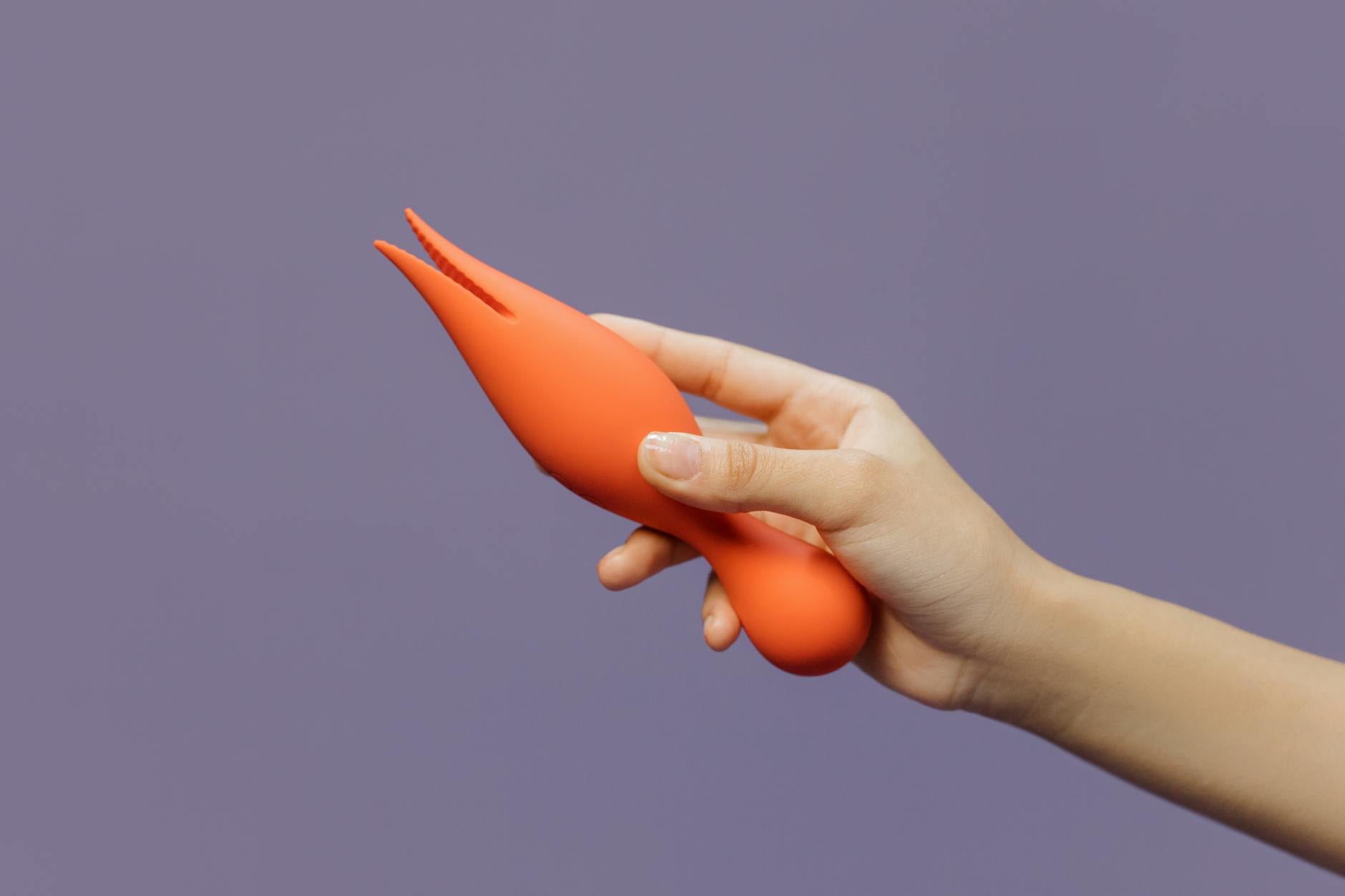
Photo by cottonbro studio on Pexels
Starting with solo use first
Before you introduce a lemon vibrator into partnered sex, use it alone. This serves a specific purpose: you're reminding your body what pleasure that's entirely yours actually feels like. No negotiation. No waiting for someone else's readiness or performance. No adjusting your needs down.
This isn't selfish. It's foundational. Many people in one-sided relationships have forgotten what their own arousal pattern looks like without someone else's agenda in the mix. Spend 2-3 weeks using the Lem or another lemon clitoral vibrator solo, paying attention to what you actually like. What patterns feel best. What speed you gravitate toward. How long you want to build before intensity.
Write it down if it helps. Not because you need data, but because articulating it makes it real.
The conversation before introducing it partnered
This is non-optional. Don't just surprise your partner with a lemon vibrator mid-sex and hope they take the hint. That's a setup for defensiveness and misunderstanding.
Instead, pick a neutral moment (not during or right before sex) and say something like: "I've realized my pleasure has taken a back seat, and that's on me for not advocating for it. I want to use a vibrator during sex because my body needs something different to feel satisfied. I'm doing this because I deserve it, not because anything's wrong with you."
Then wait. Don't over-explain or soften it into a question. Let them sit with it.
Some partners will respond with curiosity. Some will feel threatened. Threatened is actually useful information. If someone responds to "I want to prioritize my own pleasure" with defensiveness or anger, that's worth examining. Whether through conversation or couples therapy depends on your situation.
Using a lemon clitoral vibrator during partnered sex
Three approaches depending on what your dynamic can handle.
Approach One: You use it solo while they're present. This could mean they're inside you with the vibrator running, or they're stimulating you manually while the lemon toy handles clitoral sensation. The key is that your pleasure is visibly generating your orgasm, not theirs.
Approach Two: They operate it. This flips something subtle but important. Instead of them being the sole focus and you supporting their pleasure, they're now actively creating your sensation. They become responsible for your pleasure in a concrete way. Some partners actually find this clarifying and exciting.
Approach Three: Mutual but separate. You use the lemon vibrator on yourself while they do whatever creates pleasure for them. This removes the pressure that your pleasure has to be built into their experience. You're both having sex. Neither of you is the opening act.
What happens when resistance shows up
If your partner pushes back, refuses to accept the vibrator, or treats it as a threat to their masculinity or competence, you've hit the real issue. The vibrator isn't the problem. The problem is that they need your pleasure to feel small so that theirs can feel significant.
That's not a vibrator problem. That's a relationship structure problem.
You can keep using the lemon adult toy anyway. Your pleasure doesn't require permission. But this is the point where conversations with a therapist become worthwhile. Not because you're broken or wrong, but because this pattern will show up everywhere in the relationship if it hasn't already.
The slow recalibration
When you start consistently having orgasms that are generated by your own needs and your own tool, something shifts. Not overnight. Over weeks and months, your nervous system starts to expect that your pleasure matters. You stop dimming yourself down. You ask for things. You notice when you're not satisfied and say it out loud.
This sometimes makes partners uncomfortable. Good. Discomfort is where growth happens.
You might find that once your partner realizes you're serious about your pleasure, they actually engage differently. Or you might realize that the one-sidedness was a symptom of a partnership that's not actually working for you anymore.
Both outcomes are valid.
FAQ: One-sided pleasure and vibrators
Can a lemon vibrator fix a relationship where pleasure is one-sided?
No. A vibrator is a tool for reclaiming your own pleasure. It can create the conditions for a conversation about equity, and it can make your needs physically visible. But it can't make someone care about your satisfaction if they're fundamentally not interested. That work requires your partner to want to show up differently, which is their choice, not the vibrator's job.
Is it weird to use a clitoral vibrator during partnered sex if my partner feels insecure?
Their insecurity is not your responsibility to manage with your own pleasure. If they feel threatened by you having an orgasm that's not dependent on them, that's worth examining in therapy. You deserve pleasure. Full stop. A lemon clitoral vibrator just makes that visible.
How do I know if one-sided pleasure is worth addressing or if I should just leave?
Ask yourself: Does my partner care about my pleasure when I name it clearly? Are they willing to try new things, use tools, adjust what they're doing? Do they listen when I say what I need? If the answer to most of these is yes, there's something to work with. If the answer is no, you're likely in a partnership where your needs won't be centered no matter what tool you bring in.
Should I use a lemon vibrator alone or ask my partner to use it on me?
Start alone. You need to know what you actually like without someone else's input or rhythm influencing you. Once you've established that, solo use is still valid. Some people prefer it because it's entirely under their control. Others enjoy having their partner involved once they've established what they need. Both are fine.
What if my partner wants to use the vibrator on themselves and ignores my pleasure?
That's a significant sign that one-sidedness is the default state of your dynamic. A partner who can't shift focus even when you've explicitly asked is showing you where your pleasure ranks. That's painful information, but it's information. You can use that data to decide what you want to do next.
Can using a lemon vibrator help me build confidence to ask for more in general?
Yes. When you've experienced your own orgasm generated by your own needs, asking for foreplay, asking for different positions, asking for time on you feels less like a radical request. It feels like the baseline. That confidence spillover is real.
The bottom line
One-sided pleasure in partnerships usually isn't about missing the right tool. It's about someone's needs becoming the default and yours becoming optional. A lemon clitoral vibrator can make your pleasure impossible to ignore. But the real work is deciding that your pleasure matters enough to fight for it, whether your partner joins you or not.
Your satisfaction is non-negotiable. A lemon vibrator just makes that clearer.