Here's the thing about changing desires
Your partner wakes up one day wanting something different in bed. Maybe they've been watching certain content, talking to friends, or just evolving their own pleasure map. Whatever the reason, they're asking for more intensity from a toy they used to enjoy casually. And now you're wondering: does this mean they're bored? Does this mean something's wrong? Does this mean you can't satisfy them anymore?
None of those things are necessarily true. What's actually happening is pretty simple: their body or brain has moved to a new place, and you two need a new conversation.
Why intensity requests happen more than you think
Pleasure is not static. It changes with novelty, stress, hormones, age, relationship stage, and honestly just the random firing of the brain on any given Tuesday. Someone can love gentle stimulation for three years and then suddenly crave something fiercer. This isn't a referendum on the relationship. It's biology and psychology doing their thing.
What often trips couples up is the timing. You think you've figured out what works. You've developed a rhythm. And then your partner shifts. The temptation is to feel blindsided, to interpret it as rejection, or to assume you've been doing it wrong the whole time. But really, they're just asking for something different now.
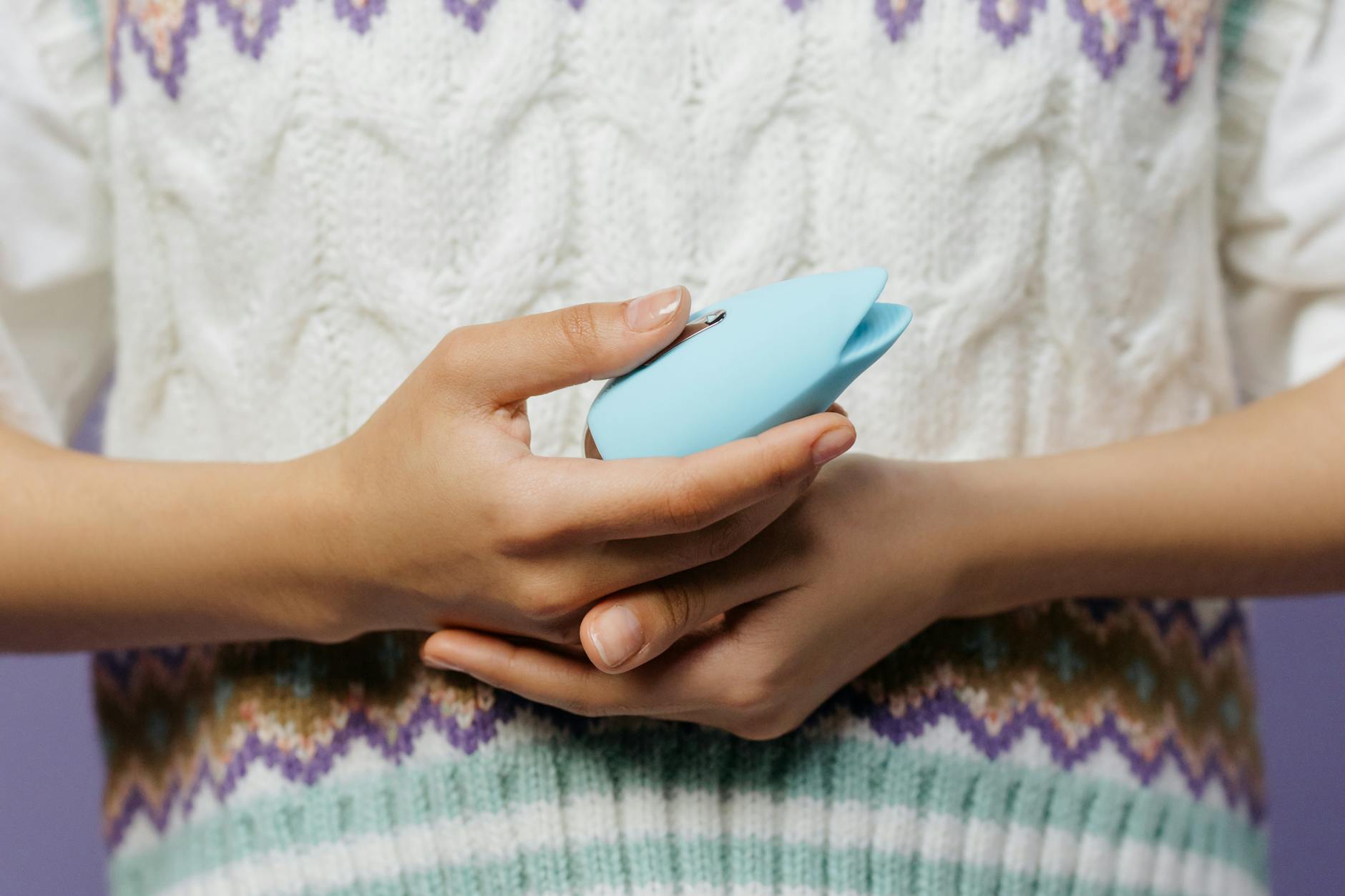
The reason a lemon clitoral vibrator fits this moment is because it's engineered with multiple intensity settings. When your partner starts craving more, you're not scrambling to buy a new toy or figure out a workaround. You have built-in options.
The conversation before you reach for the toy
Before you adjust intensity on any device, you need to understand what "more intensity" actually means. It could mean:
Stronger vibrations (more power, more amplitude). Faster frequency (patterns that move quicker). Different stimulation angle (maybe they want direct rather than surrounding, or vice versa). A combination of the above.
Ask them. Specifically. Not "Do you want it harder?" but "What does that feel like to you?" and "Where exactly do you want to feel it?"
This matters because intensity is not a one-size answer. I've worked with couples where the partner meant "I want the device to move faster" but the other partner heard "I want maximum power" and jumped straight to level 5, which actually caused discomfort. The conversation saves you both that friction.
Also ask what triggered the shift. Is it about the novelty wearing off? Are they chasing a different type of orgasm? Are they stressed and need stronger sensation to break through their own mental noise? Each answer changes how you approach using the device together.
How a lemon vibrator's intensity settings actually work
Most lemon sexual toys come with 3-5 intensity levels. Level 1 is usually delicate enough for sensitive skin. Level 5 is where you feel the full force. What people don't often realize is that intensity isn't just about power. It's about sensation.
Here's what I tell couples: start at level 2 when you first switch to accommodate their request. Let them tell you if that's too much, too little, or somewhere in between. The temptation is to jump straight to maximum, but that can actually backfire. If the sensation is overwhelming, your partner's nervous system can't process pleasure properly. They're just bracing against input.
Then move incrementally. Two minutes at level 2, then level 3. Notice how their body responds. Are they relaxing or tensing? Are they still engaged or retreating? These tell you more than their words will.
Managing your own feelings about the shift
Here's the part nobody talks about: sometimes a partner's request for more intensity stings. You might feel like you're not enough anymore. That you can't turn them on the way you used to. That this is the beginning of a larger problem.
It's not. It's actually healthy. It means they feel secure enough with you to ask for something different. It means they're not settling. It means they're exploring their own pleasure honestly.
But your feelings are real too. If you're uncomfortable with the shift, you need to say that. Not because it's a reason to refuse, but because your comfort matters in shared intimacy. Maybe you need to use the higher intensity settings in a specific context. Maybe you need to understand your own pleasure better so it doesn't feel like you're just serving theirs. Maybe you need to talk about what drew you both to using lemon clitoral vibrators in the first place, and reconnect there before you move forward.
The best couples I work with don't skip this part. They name the vulnerability, then problem-solve together.
Building intensity without losing intimacy
One of the things I love about recommending lemon vibrators for couples navigating intensity shifts is that the device itself doesn't have to take over the moment. You can use it as part of foreplay, not the entire event. You can start with hands, bring in the device at level 2, use it for a few minutes, then return to hands or other forms of touch.
This rhythm prevents two things: it stops the intensity request from feeling like a replacement of you, and it gives your partner better control over their own pleasure arc. Many people who want more intensity also want the option to pull back. A lemon vibrator's multiple settings let them experience the full spectrum in one session.
You can also experiment with patterns. Some devices have steady modes and pattern modes. A partner might want more intensity in the pattern mode while still enjoying gentle steady vibration at the start.
When intensity requests become a symptom of something else
Escalating intensity requests can sometimes signal other shifts in the relationship. Not always. But sometimes. If a partner is constantly asking for more power, more speed, more sensation, check in. Are they checked out emotionally? Are they bored with the relationship itself? Are they dealing with stress that's making normal pleasure feel muted?
I've worked with couples where intensity escalation was actually about disconnection. The person was so in their own head that gentler stimulation couldn't cut through the mental noise. In those cases, the fix wasn't a stronger toy. It was addressing what was actually wrong.
So if the intensity requests keep climbing, pause the physical experiment and have a relationship conversation. "I want to make sure we're okay. Tell me what's changing for you." That's the real intimacy work.
A practical framework for your first adjustment
Sit down together before the moment arrives. Talk through what "more intensity" means. Set a commitment to check in mid-experience. "Is this what you wanted?" is allowed. Then use a lemon vibrator as follows:
Start at a lower level than you think you need. Let their body guide you. Notice whether they're relaxing into sensation or bracing against it. If they ask for more, move up one level at a time. If at any point something feels off, pause and ask. Their pleasure shouldn't feel like a puzzle you're solving. It should feel like collaboration.
Remember that more intensity works best when everything else feels safe. That means clear communication, permission to change your mind mid-experience, and no pressure to stay at a level that stops feeling good.
Your partner's evolving pleasure is a sign of trust, not abandonment. Use it that way.
People also ask
Can a lemon vibrator actually deliver intense enough sensation for someone who wants strong stimulation?
Yes. Lemon clitoral vibrators are engineered for both delicate and powerful sensation. The highest settings deliver genuinely strong vibration, particularly the suction-based models that layer intensity in a way traditional vibrators can't. If your partner has tried other devices and found them too weak at maximum, the lemon line is worth testing because the engineering is different.
What if my partner's desire for more intensity means they don't like me anymore?
It doesn't. Pleasure preferences shifting is one of the most normal relationship developments. People are not static. Their bodies change, their brains evolve, their stress levels fluctuate. A request for different sensation is about sensation, not about your worth as a partner. If you're genuinely concerned about the relationship, that's a separate conversation to have outside the bedroom.
How do I bring up that I'm uncomfortable with the intensity increase?
Do it outside of intimate moments. "I want to talk about the shift in what you're wanting. I'm excited to explore this with you, and I'm also feeling a little uncertain about my role. Can we talk through what this means for us?" That opens dialogue without shutting down their request. Most partners appreciate the honesty and will work with you to find a middle ground.
Can a lemon vibrator's intensity settings work for both of us if we have different preferences?
Completely. That's one of the huge advantages of multi-setting devices. You can each have a level that feels right for your body. Your partner uses level 4, you use level 2. That's totally valid. Many couples keep one device and just adjust for whoever's being stimulated.
If my partner keeps asking for higher intensity, is something wrong?
Maybe, maybe not. Sometimes it's just novelty seeking or body changes. Sometimes it signals emotional disconnection, stress, or relationship issues that need addressing outside the bedroom. The only way to know is to ask, directly and without judgment. "I'm noticing intensity requests climbing. What's going on?" If they can articulate it, great. If they don't know, that might point you toward a deeper conversation.
How do I know if a lemon clitoral vibrator is the right choice for this situation?
If your partner is craving stronger sensation and you want a device with multiple options, yes. The lemon line's range from gentler to genuinely powerful makes it well-suited for couples navigating intensity shifts. Come explore the full collection to see which model matches your partner's preferences.
Pleasure that evolves is pleasure that stays alive. Your partner's request for more intensity is an invitation to keep discovering together.