Non-penetrative intimacy is a complete sexual experience, not a consolation prize
Let me start with something most people won't tell you: if your partner prefers non-penetrative pleasure, you've actually been handed a gift. Not because penetration is bad. But because external stimulation, when you lean into it fully, builds a different kind of intimacy. It requires attention. It requires presence. It requires you to actually talk about what feels good instead of defaulting to a script.
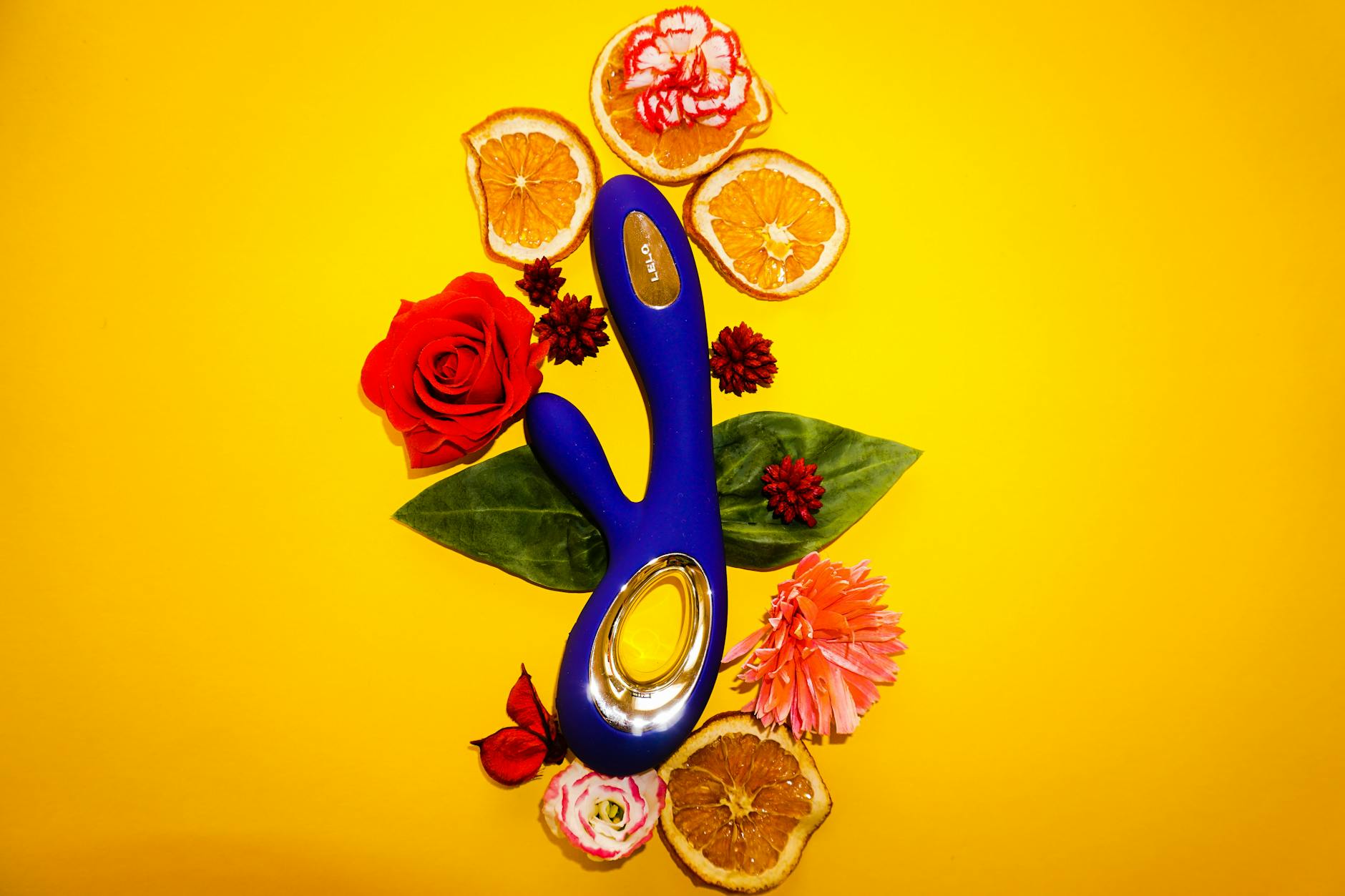
Clitoral vibrators like the Lem were designed for this. And when both partners approach external stimulation as a complete experience rather than foreplay waiting to become something else, the results are genuinely transformative.
Why non-penetrative preference matters in relationships
There are lots of reasons a partner might prefer external stimulation. Some people with vulvas rarely or never orgasm from penetration alone, and they've realized that pretending is exhausting. Some partners have discovered that clitoral stimulation feels more intense, more sustained, more theirs. Others have medical reasons. Pain conditions. Trauma history. Medication side effects. The reason doesn't matter as much as the fact that it's their preference, and honoring it actually deepens your connection.
Here's what I see in my practice: couples who fight against their partner's preference spend years frustrated. Couples who lean into it? They often find their best sex happens when they stop insisting on a specific shape and start asking what actually works.
The psychological shift that changes everything
Non-penetrative sex requires a mindset change for most partners. You have to let go of the idea that there's a finish line. Penetration has a narrative arc. External stimulation is more like a landscape. You're exploring texture and sensation and rhythm, not moving toward a destination.
This sounds like it should feel like less, but it usually feels like more. Because you're not watching the clock. You're not focused on performance. You're focused on sensation, which means you're actually present.
For the receiving partner, this shift is powerful too. Instead of accommodating your body around someone else's, you get to be direct about what you want. The Lem has multiple patterns. You can adjust. You can say "slower" or "stay there" without negotiating around someone else's arousal. That specificity is liberating.
Setting up for non-penetrative sessions with a lemon vibrator
Start by ditching the idea that this is supplementary. You're not using the Lem instead of something. You're using it as the main event. That reframe changes how you approach it.
Create the physical space first. You need to be comfortable enough to stay still and feel. That means good pillows, enough room to move your hands, maybe a blanket you actually like. If one partner is receiving, their comfort is the entire environment. Don't cheap out on this.
Start without the vibrator. Seriously. Use your hands first. This does two things: it tells the receiving partner their body matters enough to touch slowly, and it lets you both warm up. Most external stimulation needs 10 to 15 minutes of non-vibration touch before the vibrator even enters the scene. That's not wasted time. That's the whole thing.
Introduce the vibrator on the lowest setting. The Lem starts at intensity 1 for a reason. You can always turn it up. You cannot un-overstimulate. Lower intensity lets the receiving partner's body actually feel what's happening instead of just reacting to noise and vibration.
Let the receiving partner control it. Seriously. If they're holding the Lem or directing where it goes, they're not performing. They're exploring. That's the point.
The patterns that work for non-penetrative sessions
Clitoral vibrators typically have multiple patterns. The Lem has eight. Penetrative sex has one rhythm: in and out. External stimulation gives you so much more to work with.
Most receiving partners find they prefer a steady, consistent pulse rather than patterns that change. But some love patterns. The only way to know is to try them. During foreplay, cycle through a few. Ask which ones feel good. Make mental notes. Return to them.
The rhythm sweet spot for many people is 40 to 80 pulses per minute on the lower intensities. That's much slower than the in-out pace of penetrative sex. If you're used to that rhythm, the slowness might feel strange at first. Sit with it. That slowness is where the sensation actually registers.
How to build pleasure with a partner who enjoys external stimulation
Here's what I tell couples: non-penetrative sessions often produce more consistent orgasms, more intense sensations, and longer arousal cycles than partnered penetrative sex. You're not fighting biology. You're working with it.
Extend the session. Because you're not focused on one person's stamina or arousal timeline, you can spend 45 minutes or an hour. That's not excessive. That's generous. The longer you stay in arousal, the more pleasure compounds.
Use toys as an addition to partner touch, not a replacement. The best non-penetrative sessions layer things. Your hand on their skin. Your mouth on their neck. The Lem on the externals. That combination of sensations is what creates fullness. The vibrator isn't doing all the work. You are.
Check in without killing the mood. "Does this feel good?" can be asked mid-breath. You don't need a conversation. You need feedback. Create a system where the receiving partner can guide without having to speak in full sentences. A hand gesture. A sigh. A shift of their hips. Learn their language.
When the receiving partner struggles with pleasure
Sometimes the barrier isn't the vibrator or the technique. It's the receiving partner's own brain. They're used to performing pleasure instead of experiencing it. They're waiting for their partner to "finish." They're watching the clock. They're not actually there.
If this is happening, the fix is smaller than you think. Stop trying to create pleasure. Start trying to create safety. That means no time limit. No performance expectation. No "you should be coming by now." Just presence. Just exploration.
Many receiving partners with this pattern find that external stimulation actually helps because it removes the pressure to accommodate someone else's body. They can focus entirely on what they feel. That focus, over time, rebuilds the capacity for pleasure.
Building emotional intimacy through external stimulation
One thing I notice in my practice: couples who regularly use lemon vibrators for non-penetrative sessions report feeling closer than couples relying only on penetration. This isn't accidental. When you slow down. When you pay attention. When you prioritize your partner's actual sensation over a specific outcome. That's vulnerability. That's presence. That's intimacy.
External stimulation often requires talking about pleasure in ways penetrative sex doesn't. You can't assume. You have to ask. And asking, over and over, builds a kind of trust that penetration never touches.
Addressing common concerns
Some partners worry that using a vibrator means they're not "enough." That's the script talking, not reality. A clitoral vibrator is not a replacement for a partner. It's a tool. And the presence of a tool actually requires more partnership, not less. You have to coordinate. You have to communicate. You have to be intentional.
Others worry about "taking too long." That's a cultural message, not a relationship truth. If external stimulation is how your partner experiences pleasure, then that's how long sex takes. You either accept it or you don't. But you don't negotiate your partner's orgasm.
Exploring beyond the basics
Once you've settled into non-penetrative sessions, you can expand. Some couples find they enjoy mutual stimulation with two Lem vibrators, one for each partner. Some discover they want to incorporate other toys alongside external play. Some find that the vibrator is foreplay, and external stimulation becomes the main event even when penetration could theoretically happen.
The point is: non-penetrative sex is not a lesser experience. It's a different experience. And when you commit to it fully, it often becomes more satisfying than the sex you were trying to force before.
FAQ: Non-Penetrative Pleasure With Clitoral Vibrators
How long should a non-penetrative session typically last?
There's no standard. Some couples spend 20 minutes. Others spend an hour. The receiving partner often needs 10 to 15 minutes of stimulation to reach orgasm, and many prefer to continue after that because the sensations keep building. Let the receiving partner set the duration. If they say they want to keep going, keep going. If they want to stop, stop. The freedom from a time constraint is part of what makes this work.
Can my partner use a lemon vibrator during non-penetrative sessions without me touching them?
Absolutely. Some receiving partners actually prefer solo external stimulation with their partner present but not directly touching. That gives them full control over pace and pressure. Some prefer their partner inside the room but not on the bed. Some want total presence. These are all valid. Ask what your partner wants. The answer might surprise you.
Is it okay to use a lemon clitoral vibrator every time we have sex?
Yes, if that's what feels good. There's no such thing as using a vibrator "too much." That's another myth. If your partner's body responds to external stimulation, and the Lem is what gets them there, then that's your baseline. You're not overusing it. You're using the right tool.
What if my partner wants to use a vibrator but feels self-conscious about it?
That's usually about internalized shame, not actual practicality. You might try introducing it as your idea first. "I want to try this with you." That can feel less vulnerable than your partner asking. Or you could ask what specifically makes them self-conscious. Is it the sound? The idea that they "need" it? The loss of control? Once you name the fear, you can address it.
How do I know if my partner is actually enjoying this or just performing pleasure?
Ask them directly, outside the bedroom. Not mid-session. Not as a probe. Just genuine curiosity. "Does this actually feel good to you, or are you doing it for me?" Real pleasure has a different quality. It's less controlled. It's more responsive. But you can't know unless you ask.
Can we combine non-penetrative pleasure with other kinds of touch?
Yes. This is actually ideal. External stimulation plus partner touch plus emotional presence equals fullness. You're not choosing between the vibrator and your hands. You're using both. The vibrator handles the external work while your hands provide sensation elsewhere. Your mouth can be involved. Your presence absolutely matters.
The bottom line
When your partner prefers non-penetrative pleasure, you're not settling. You're actually building intimacy in a way that many couples never access. Lemon vibrators like the Lem work beautifully for this because they're designed for sustained, nuanced external stimulation. But the tool only matters if both of you commit to the experience.
Slow down. Pay attention. Ask questions. Stay present. That's the whole thing. Everything else follows.
If you're ready to explore what non-penetrative intimacy can offer your relationship, we're here to support that conversation. Reach out if you have questions about what works, what doesn't, or how to talk to your partner about shifting your dynamic.