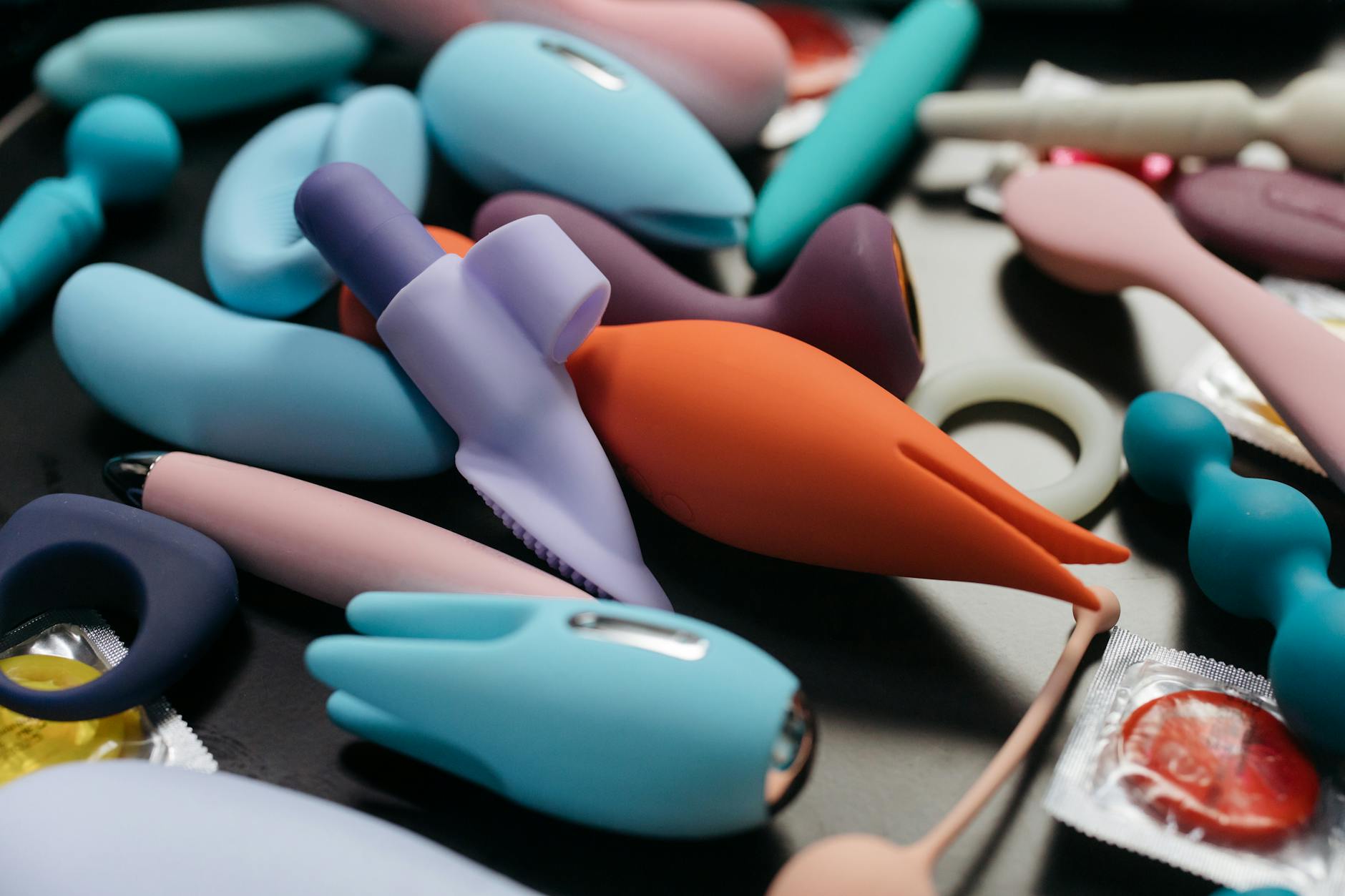
When your body stops responding
Here's the thing about clitoral numbness. It sneaks in. One day you're feeling everything, the next you're touching yourself and it's like your hand belongs to someone else. No sensation, no warmth, no arousal. Just... absence.
It's one of the most distressing sexual problems people bring to me, and it's also one of the most fixable. But first you need to understand what's actually happening, because clitoral numbness isn't one problem. It's usually three or four problems wearing the same mask.
What causes clitoral numbness and desensitization
Clitoral numbness has multiple roots, and usually you're dealing with more than one at once.
Repetitive friction overuse. If you've been using the same vibrator at the same intensity for months or years, your nerve endings adapt. Your body becomes less responsive to that specific stimulus. It's called accommodation, and it's neurological, not psychological. Your clitoris hasn't broken. It's just gotten used to the input.
Medication side effects. Antidepressants, antihistamines, and hormonal birth control all numb sensation. Some more than others. If numbness started after you began a new medication, that's your answer.
Pelvic floor tension. When your pelvic floor muscles stay clenched (from stress, anxiety, or habit), blood flow to the clitoris decreases. Less blood flow means less sensation. Most people don't realise they're clenching until someone points it out.
Hormonal shifts. Low estrogen during perimenopause, early menopause, or while breastfeeding reduces clitoral blood flow and tissue sensitivity. It's the same mechanism that causes vaginal dryness, just located differently.
Nerve compression or damage. Rarely, numbness points to a physical issue like nerve compression from tight clothing, cycling injuries, or pelvic floor dysfunction that needs clinical attention. If numbness appeared suddenly and you can't trace it to any of the above, see a pelvic floor physical therapist.
Psychological blocks. Stress, relationship conflict, shame, or past trauma can make your nervous system shut down sensation as protection. Your body isn't lying. It's protecting you from feeling something it thinks will hurt.
Why lemon vibrators work differently for numb clitorises
Most vibrators use oscillation. They vibrate back and forth at a set frequency. That's great for nerve activation when your clitoris is sensitive, but when you're numb, oscillation alone doesn't cut through the desensitisation.
Air-pulse lemon vibrators like the Lem work differently. Instead of vibration, they create rhythmic suction and release. That suction pulls blood into the clitoral tissue, increases circulation, and stimulates a different set of nerve endings than traditional vibration does.
For someone dealing with clitoral numbness, that matters because you're not fighting accommodation. You're using a completely different sensory pathway. It's like your clitoris is hearing a new language instead of the same song it's learned to tune out.
The other advantage: air-pulse vibrators naturally encourage slower, mindful stimulation. You're not racing through settings. You're building sensation gradually, which means your nervous system has time to wake up.
The step-by-step approach to rebuilding sensation
Sensation doesn't come back overnight, but it does come back. Here's how I guide people through it.
Week one: exploration without expectation. Stop trying to orgasm. Seriously. That pressure is part of what killed sensation in the first place. Instead, spend 5-10 minutes with your lemon vibrator at the lowest setting, just noticing what you feel. Not "Am I aroused?" but "What's different at level 1 versus level 2?" Your job is observation, not outcome.
Week two: expand the map. Now you're still at low intensity, but you're touching different parts of your vulva. The side of your clitoris. The clitoral hood. Your labia. Your inner thighs. Sensation often returns in unexpected places first. Your clitoris might still feel numb while your inner lips light up.
Week three: add breathing and movement. This is where pelvic floor tension gets addressed without you thinking about it. While using your lemon vibrator at low intensity, breathe deeply and move your hips. Rock gently. Let your body move with the sensation instead of holding still and waiting for it to arrive.
Week four and beyond: gradual intensity increases. Once you've felt something, you can start playing with higher settings. But increase slowly. One setting at a time. If numbness is returning, you went too fast. Back off.
Partner involvement (or not)
If you have a partner, this is a conversation starter, not a conversation ender. Tell them what's happening. Clitoral numbness is medical, not relational. It's not about them or your attraction to them.
What helps: a partner who can be patient while you rebuild. Someone who understands that you exploring with a lemon vibrator alone isn't a rejection. It's actual healing work. If they want to participate, they can learn to use air-pulse settings at low levels alongside you. But low and slow. No jumping to intensity.
What doesn't help: pressure to feel something you don't feel yet, or partners who interpret it as loss of desire. You want pleasure back. Your body is just taking a route to get there that looks different than it used to.
The timeline: what to expect
If your numbness is from overuse accommodation, sensation typically returns within 2-4 weeks of switching to a different type of stimulation (like moving to an air-pulse lemon vibrator) and giving yourself breaks.
If it's medication-related, talk to your prescriber. Sometimes switching timing, adjusting dose, or switching medications helps without losing the benefits you're getting from the drug.
If it's hormonal, expect 6-8 weeks of consistent, gentle use while your body's sensitivity rebuilds. Your nerves need that steady, positive input to rewaken.
If it's psychological, you might benefit from working with a sex therapist or somatic practitioner alongside using your lemon vibrator. The tool helps. The mindset work accelerates it.
When to seek help
See a pelvic floor physical therapist if numbness is accompanied by pain, if it appeared suddenly, or if it's only on one side. Those are signs of something beyond typical desensitisation.
See a sex therapist if the numbness coincides with relationship problems or if you can't shake the belief that your body is broken. Your clitoris isn't broken. Your nervous system might just need professional guidance to come back online.
See your GP if numbness started after a new medication and hasn't improved in 6-8 weeks. Sometimes adjusting your prescription changes everything.
Clitoral numbness is frustrating, but it's not permanent. Your clitoris has the capacity to feel again. It just needs the right conditions, the right tool, and time.
People also ask
Can a lemon vibrator cause permanent clitoral numbness?
No. Numbness from vibrator use is always temporary and reversible. Your nerves haven't been damaged. They've adapted to a specific stimulus. The moment you change that stimulus (switching to an air-pulse lemon vibrator, taking a break, using different settings), sensation starts coming back. It might take weeks, but it will return.
How long can you use a lemon vibrator before desensitization happens?
There's no magic number. Some people use the same vibrator daily for years without numbness. Others notice accommodation after a few weeks. The variables are your individual nerve sensitivity, the intensity level, the type of stimulation, and whether you're varying your technique. If you're using the exact same setting and pressure every single time, you're more likely to develop accommodation faster than someone who varies their approach.
Does taking a break from vibrators bring back sensation?
Yes, but here's the catch. A break alone works, but it's slow. Just stopping use might take 2-3 months to fully restore sensation. Switching to a different type of stimulation (like moving from traditional vibration to air-pulse lemon vibrators) usually works faster because you're reactivating dormant nerve pathways instead of waiting for the overused ones to reset.
Can clitoral numbness mean a medical problem?
Sometimes. If numbness appeared suddenly without any lifestyle change, if it's only on one side of your clitoris, or if it's accompanied by pain or visible changes, see a pelvic floor physical therapist. Usually though, clitoral numbness is from one of the reversible causes listed above: overuse, medication, tension, hormones, or stress. A professional can rule out the rare stuff.
Is clitoral numbness connected to low libido?
Often, yes. When you can't feel pleasure, your brain stops asking for it. Low desire can be the result of numbness rather than the cause. The good news: fix the numbness and desire usually returns naturally. Your body wants to feel good. When it can again, the wanting comes back too.
Can hormonal birth control cause permanent clitoral numbness?
Not permanent. Hormonal birth control can reduce clitoral sensitivity while you're on it, but sensation typically returns within a few months of stopping. If you want to stay on your birth control and restore sensation, working with an air-pulse lemon vibrator on low settings while addressing pelvic floor tension and stress often helps significantly. Talk to your doctor about whether adjusting your dose or type of birth control might help.
Your clitoris is remarkable. It wants to feel, to respond, to pleasure you. Clitoral numbness is just a signal that something needs adjusting. And most of the time, that adjustment is well within reach.