Here's what no one tells you about emotional distance
Emotional disconnection doesn't announce itself. It whispers. A few nights where you're both scrolling instead of talking. A week where sex feels like a checkbox. Before you realize it, you're sharing a bed but living in separate rooms. The frustrating part? Physical distance is fixable. Emotional distance is the real work.
But here's the thing nobody expects: pleasure, approached intentionally with the right tools, can actually rebuild what distance has worn down. Not because an orgasm solves anything. It doesn't. But because shared pleasure creates a conversation your words might never reach.
Why emotional distance kills physical connection
When you're emotionally distant from your partner, your body knows it before your brain does. The nervous system detects the absence of trust, presence, and connection. Arousal becomes harder. Touch feels obligatory. You might both want to reconnect, but the pathway between desire and action has grown quiet.
Research on couples therapy consistently shows that emotional intimacy is the foundation. Without it, physical intimacy feels hollow. But the reverse is also true. Sometimes, creating a space where physical pleasure is the focus, with zero pressure, can thaw the emotional freeze. It doesn't replace the deeper work. It opens a door that words alone might not.
The paradox of pleasure during disconnection
Here's where most couples get stuck. When you're emotionally distant, suggesting sex often feels like asking someone to fake it. And they're right to be skeptical. The answer isn't to have sex anyway. It's to separate pleasure from performance.
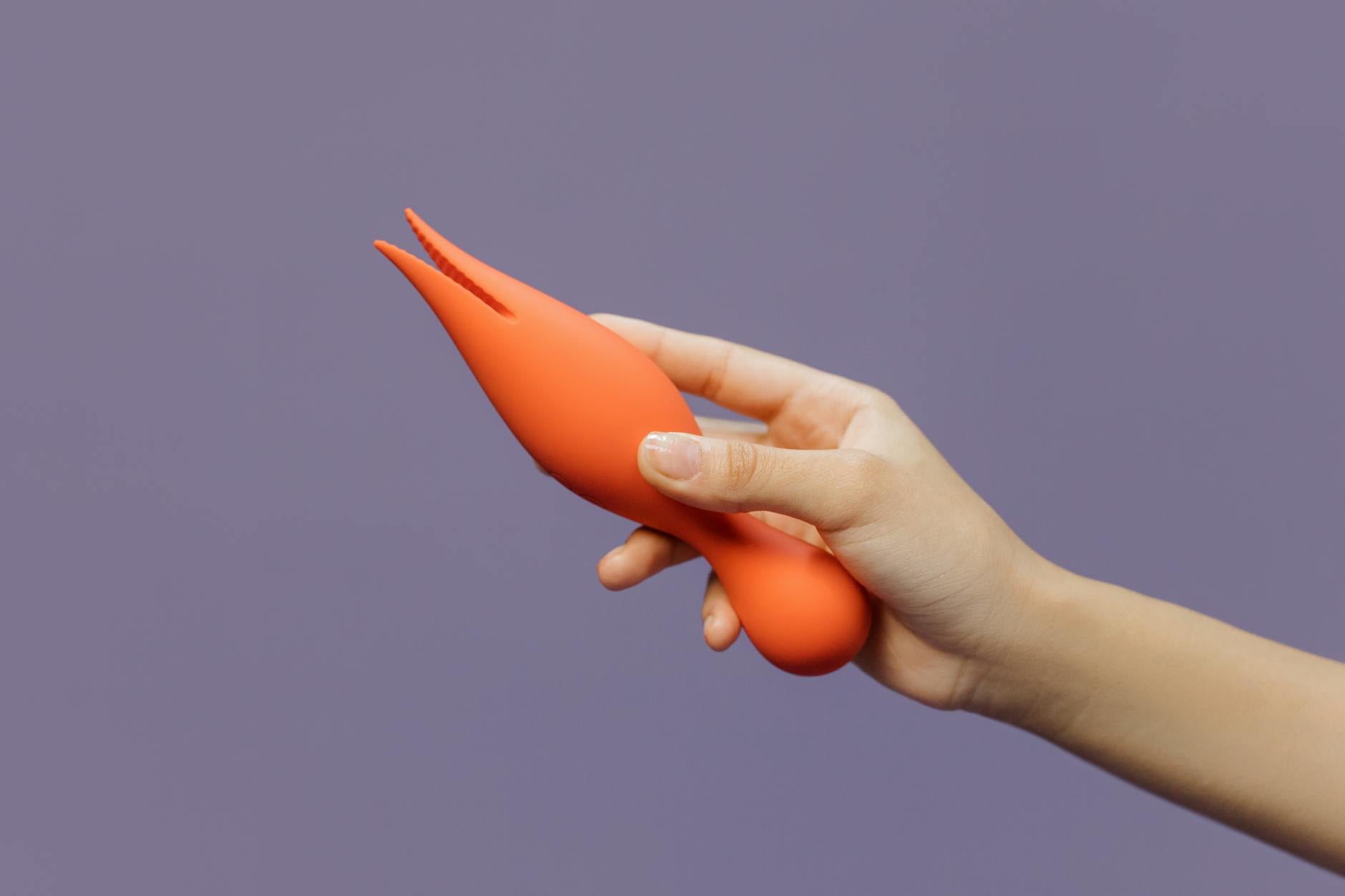
This is where a lemon clitoral vibrator changes the equation. Unlike partnered sex, which carries the weight of synchronization and mutual satisfaction, using the Lem together removes the pressure to perform. One partner can experience genuine pleasure while the other watches, learns, and reconnects without the pressure of "doing it right."
You're no longer performing for your partner. You're inviting them into your pleasure. That's a completely different conversation.
How to start the conversation without making it weird
Okay, so the hardest part isn't the vibrator. It's saying out loud that you want to try this. Here's the framework I recommend:
Don't frame it as fixing sex. Don't say "Our sex life is broken, so let's try a lemon vibrator." That turns it into a problem statement. Instead: "I want to spend time together doing something that feels good. I've been thinking about trying this together."
Normalize it. "A lot of couples use vibrators when they're reconnecting. It takes the pressure off and lets us just enjoy ourselves."
Make it a choice, not a demand. "I'm interested in this. If you're curious too, we could try it. No pressure either way."
If your partner hesitates, that's data, not rejection. It might mean they're not ready, they have questions, or they need more reassurance that this is about connection, not about something being wrong with them. Sit with that. The conversation matters more than the object.
The mechanics of reconnecting with a lemon vibrator
Once you've both agreed to try this, here's the practical structure that actually works.
Start with exploration, not performance. The first time, don't aim for orgasm. Aim for comfort and curiosity. One partner uses the Lem on their own body while the other is present. This accomplishes two things. First, the receiving partner gets to experience genuine pleasure without the anxiety of being watched. Second, the partner watching gets to see what actually turns their partner on, outside the context of partnered sex where everything feels rushed.
Keep the intensity low initially. A lemon clitoral vibrator like the Lem has multiple settings. Start at pattern 1 or 2. The goal is sensation, not speed to orgasm. This actually deepens connection because it slows everything down.
Talk while it's happening. This feels weird at first. It's also the most important part. "Does this feel good?" "Want me to try this spot?" "What are you thinking about?" These small questions keep you in conversation even during something typically solitary. That's where emotional reconnection happens.
Don't rush to partnership integration. After you've each experienced solo pleasure with the Lem, then you can explore using it together. But start with the solo piece. Rushing to partnered use before you've rebuilt basic trust and presence defeats the purpose.
The emotional shifts that happen (and when they don't)
Let me be honest. Using a lemon vibrator won't repair a relationship that needs deeper work. If you're emotionally distant because of infidelity, unmanaged conflict, or a fundamental values misalignment, pleasure won't fix that. What it can do is create a moment of genuine connection that reminds you both why the relationship mattered in the first place. That moment might be enough to motivate the harder conversations. Or it might clarify that the distance is too great to bridge.
Both are useful information.
When it does work, couples often report that reconnecting through pleasure shifts something. It's not that one orgasm heals everything. It's that the experience of being present together, without judgment or performance, reminds the nervous system that safety with this person is still possible.
Common obstacles and how to navigate them
One partner feels vulnerable during solo pleasure. This is normal. The receiving partner might feel exposed. Create psychological safety by dimming lights, going slowly, and making it clear that pleasure is the only goal. No commentary on bodies. No performance anxiety.
One partner feels left out during the solo phase. Reframe it. They're not being excluded. They're being invited to witness and learn something genuine about their partner. That's intimacy, even if it doesn't look like traditional sex.
You try it once and feel awkward. Expected. Do it again. And again. Discomfort is part of reconnection. You're both learning a new way to be together. That takes time.
You use the Lem and it doesn't lead to reconnection. This isn't a failure. It's information that you need different support. Consider a couples therapist who specializes in intimacy. Sometimes the deeper work requires a trained guide.
When to involve a professional
If emotional distance has roots in ongoing conflict, betrayal, or fundamental incompatibility, a vibrator isn't the entry point. A couples therapist is. What we're talking about here works best when the disconnection is circumstantial. You've been stressed. Work has eaten your attention. Kids, aging parents, life has gotten in the way.
If the disconnection feels deeper, get support first. Then, if you want, a lemon clitoral vibrator becomes a tool within that larger healing.
Why the Lem specifically helps with reconnection
The Lem is designed for clitoral stimulation through suction rather than vibration alone. For reconnection, this matters. Suction feels different than traditional vibration. It's often more localized, less intense on the nerve endings, and easier to control at lower settings. For people rebuilding sensation and trust in their bodies, that precision is valuable.
It also looks and feels intentional. There's something about choosing a specific tool together that signals this isn't a quick fix. It's a deliberate choice to rebuild.
The larger point
Emotional distance doesn't dissolve because you've had good sex. It dissolves because you've chosen presence, vulnerability, and curiosity with your partner. A lemon vibrator can be the container for that conversation. But it's the conversation itself, happening in real time with genuine attention, that does the healing work. The Lem is just the excuse to stop moving long enough to remember why you started.
FAQ
How do I know if my relationship has just "rough patch" distance or deeper incompatibility?
Rough patch distance usually has a trigger. "We've been stressed." "We stopped prioritizing time together." "The kids have consumed us." It feels recent and fixable. Deeper incompatibility has no clear trigger. You've been distant for years. You want different things. You don't actually like each other that much anymore. A rough patch responds to reconnection tools like the ones we've discussed. Deeper incompatibility usually needs professional intervention first.
Can using a lemon vibrator together actually strengthen a weak relationship?
No, but it can create a moment of genuine connection within a weak relationship. That moment might be the spark that motivates deeper repair. Or it might clarify that repair isn't actually what you both want. Either way, that clarity is valuable. The vibrator doesn't fix the relationship. The relationship work does.
What if my partner thinks using a vibrator means they're not "enough" for me?
This is the most common concern, and it deserves a direct answer. First, validate it. That feeling is real. Then reframe: "A lemon vibrator isn't about you not being enough. It's about us creating space where pleasure is the focus, without the pressure of mutual performance. It's actually for both of us." If they're still threatened, there's deeper insecurity work happening. That might be worth exploring with a therapist before introducing the vibrator.
Should we use the lemon vibrator during partnered sex or solo first?
Solo first, always. The solo experience lets each partner get comfortable with the sensation without the complication of simultaneous pleasure or performance anxiety. After you've each had solo moments, then you can explore integration during partnered sex. But starting solo removes a massive barrier to genuine connection.
How often should we use the Lem if we're trying to reconnect?
There's no magic frequency. What matters is consistency and presence. If you use it once and never return, it becomes a failed experiment. If you build it into your routine as part of reconnection, maybe once a week or every other week, it can actually shift how you relate. The frequency matters less than the commitment to keep showing up.
What if we use a lemon vibrator and it makes things worse?
Then you've learned something important. Sometimes introducing pleasure reveals that the distance is about something neither partner is addressing. Shame, resentment, or unresolved conflict can surface. That's not the vibrator's fault. It's information that you need different support. A couples therapist can help you unpack what came up and whether reconnection is possible.
The next step
Emotional distance is painful. But it's also reversible when both partners are willing to show up differently. A lemon vibrator can be part of that showing up. It won't solve everything. But in the right moment, with the right intention, it can create the kind of presence that reminds you why you chose each other. If you're ready to explore this and want more guidance on navigating the conversations, reach out. We're here to help.
Sources & Further Reading
Gottman, J. M., & Silver, N. (2015). The Seven Principles for Making Marriage Work. Crown Publishers. Research on emotional intimacy as a predictor of sexual satisfaction in long-term relationships.
Perel, E. (2018). Mating in Captivity: Unlocking Erotic Intelligence. Harper Paperbacks. Foundational work on desire and disconnection in established relationships.
Brennan, K. A., & Shaver, P. R. (1995). Dimensions of adult attachment, affect regulation, and relationship functioning. Personality and Social Psychology Bulletin, 21(3), 267-283. Research on attachment styles and intimacy.
for more guidance on reconnecting with your partner through intentional pleasure, contact Hello Nancy or explore our buying guide for tools that match your needs.