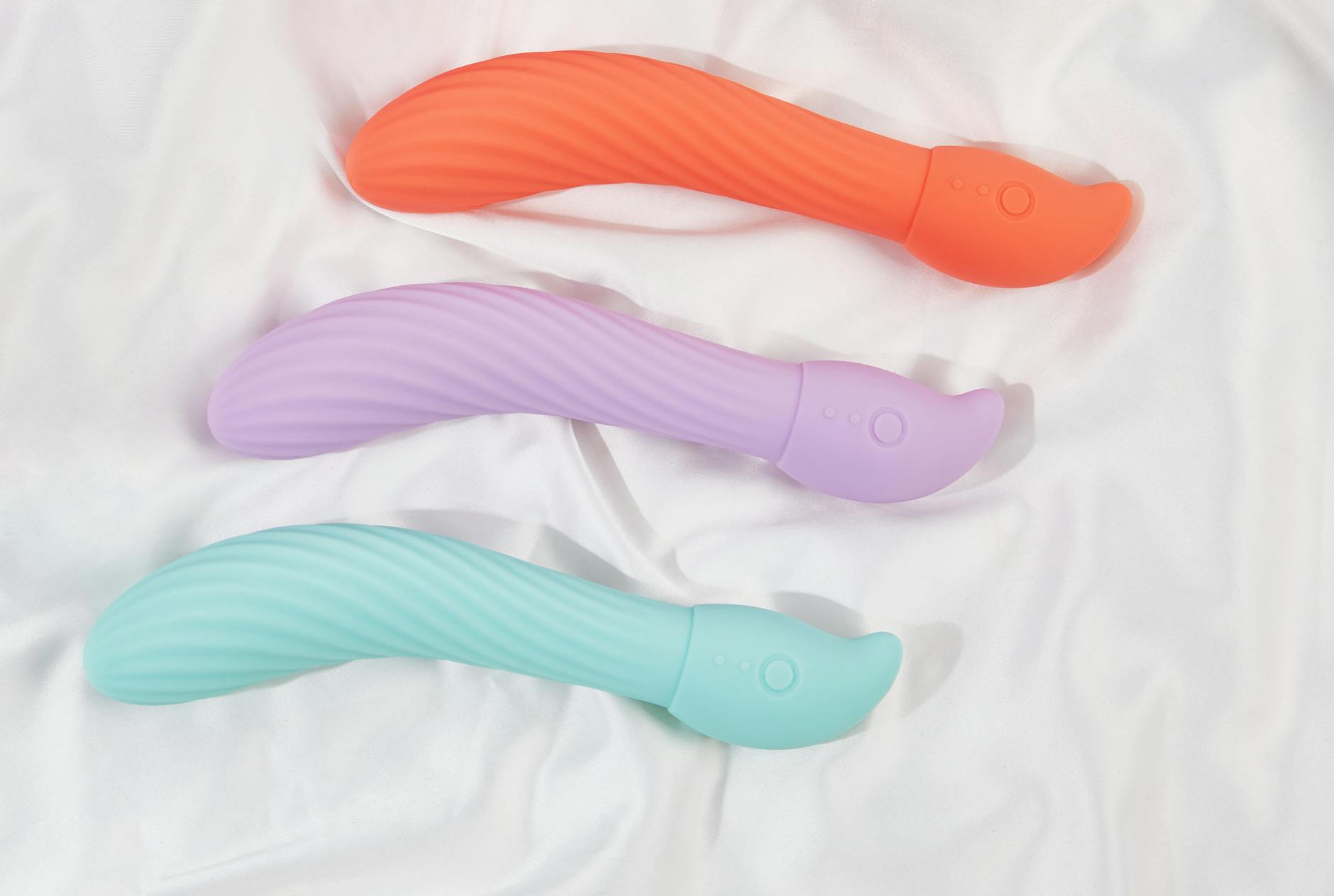
Your clitoris is tougher than you think. But it still deserves technique.
Let's be real: the clitoral area is sensitive, yes. But "sensitive" doesn't mean fragile. It means responsive. Responsive means it lights up when you get the approach right, and it shuts down when you don't. The difference between transcendent and uncomfortable usually isn't anatomy. It's method.
I work with a lot of people who've had frustrating experiences with vibrators: too intense, numb after five minutes, soreness the next day. Almost always, the vibrator wasn't the problem. The approach was. A lemon clitoral vibrator, with its broad suction base and gentle amplitude, is actually one of the most intuitive tools for sensitive tissue. But using it well requires a small shift in how most people think about vibrator technique.
Start at the lowest setting, not the middle
This sounds obvious and nobody does it. Your first instinct is to skip level 1 because it feels too subtle. Resist that. Your clitoris hasn't learned the language of this particular vibrator yet, and jumping to level 3 is like meeting someone and immediately yelling at them.
Spend five to ten minutes at pattern 1. Yes, really. Your tissue will begin to wake up. Blood flow increases. Sensation clarifies. By minute five, level 1 will feel more interesting than it did at minute one. Then you can move up. This gradual approach does three things: it teaches your body what's coming, it builds arousal properly, and it prevents the numbing sensation that happens when you go too hard too fast.
Position matters more than you'd expect
Direct contact isn't always your friend. Especially on the clitoral glans (the tip), which has thousands of nerve endings packed into a tiny space. Too much direct pressure and those nerves overstimulate and shut off. It's not pain exactly. It's just gone.
Here's what I recommend: start with the lemon vibrator positioned slightly off-center, covering the clitoral hood and the area around the glans rather than directly on the tip. You get all the stimulation without the nerve overwhelm. As arousal builds and your clitoris becomes naturally engorged, you can shift position slightly to increase intensity. Your body will tell you when it wants more direct contact. Listen to it.
Lubrication is your shortcut to comfort
Water-based lubricant isn't just nice to have. It's the difference between pleasure and irritation on sensitive tissue. Friction without lubrication dries out your skin and creates micro-abrasions you won't notice until tomorrow. With lubricant, sensation is smoother, the vibrations transmit more evenly, and there's zero friction risk.
Apply lubricant generously. Not a dab. Enough that you can see it. Let it sit for ten seconds before you turn on the vibrator. The warmth of the lube in contact with your body and the vibrator makes a real difference in sensation. Reapply every five minutes or whenever it starts feeling dry. This is especially important if you're exploring for longer sessions.
The timing pause that prevents numbness
One of the most useful techniques I teach is the pause. Use your vibrator for two to three minutes, then turn it off for thirty seconds. During the pause, simply hold it in place or remove it. Your nerve endings reset. Sensitivity snaps back. When you turn it back on, even at the same setting, it feels fresher and more intense.
This sounds counterintuitive because you think you're interrupting flow. You're not. What you're actually doing is preventing the desensitization that happens when one body part receives constant stimulation. Professional athletes call this periodization. Your clitoris needs it too. The pause technique lets you explore longer without losing sensation halfway through.
When pressure is the problem
Some people struggle with vibration itself, not the intensity. The buzz can feel chattery or overwhelming on sensitive tissue. If that's you, the lemon vibrator's suction-based design is actually ideal. Suction distributes force more evenly than a pointed vibrator tip. It covers a larger area, so the pressure per square millimeter is lower.
If even suction feels like too much, you can create a physical barrier. A thin layer of fabric between the vibrator and your skin softens stimulation significantly. Silk works better than cotton. Some people use a thin silk sleep mask or a silk pillowcase. It sounds odd, but it works. The vibration still transmits; the texture just softens it.
Recovery and when to pause
If your clitoris feels sore, swollen, or numb afterward, you pushed too hard or went too long. This isn't damage. It's just inflammation. It settles in a few hours. But it's also your signal to adjust next time. Shorten your session by five minutes. Spend more time at lower settings. Use more lube. Add more pauses.
Soreness during use is different. That's your stop signal. Full stop. Pause, add more lube, drop the intensity, shift position. If soreness continues, take a break for a day or two. Your tissue heals fast, but it needs rest.
The emotional dimension of sensitivity
Here's the part that most guides skip: your nervous system affects your tissue sensitivity as much as your anatomy does. Anxiety, stress, and distraction all increase sensitivity and decrease pleasure. You tense up unconsciously. Your clitoris pulls back slightly. Vibrations feel sharper.
This is why setting matters. Locked door, phone off, somewhere you feel safe. Five minutes of breathing before you start. Some people find that a few minutes with a partner present (not necessarily involved, just present and supportive) shifts the whole dynamic.
What I tell my clients: your sensitivity is information, not a problem. If something feels wrong, stop. If something feels good at level 1, stay there. You're not racing. You're exploring.
FAQ
Can I use a lemon vibrator every day on sensitive tissue?
Yes, as long as you're not experiencing soreness or irritation. Daily use is fine for most people. The key is technique: lower speeds, shorter sessions initially, adequate lubrication, and pauses built in. If you do use a clitoral vibrator daily, give yourself one rest day per week so your tissue isn't under constant stimulation.
What's the difference between suction and vibration for sensitive areas?
Suction distributes force over a broader area, so pressure is gentler. Vibration concentrates stimulation in a smaller zone, which can feel more intense. For very sensitive tissue, suction-based clitoral vibrators like the lemon vibrator tend to feel more approachable because they don't require the same direct pressure as a traditional vibrator. That's why many people with sensitivity issues find suction-style toys more comfortable.
Should I numb my clitoris before using a vibrator?
No. Numbing creams are designed for pain relief in clinical settings, not for pleasure. They remove sensation entirely, which defeats the purpose. If you need numbing, that's a sign the technique or the tool isn't right for you. Switch approach instead: lower settings, more lube, different position.
How long is too long for a first session with a clitoral vibrator?
Start with ten minutes total, including pauses. Spend five to seven minutes at lower settings, then increase if you want to. Most people find their sweet spot around fifteen to twenty minutes once they know what they're doing. Beyond that, sensation starts to dull for most bodies. Quality over duration always wins.
Can I use a lemon vibrator if I have vulvodynia or vaginismus?
Depends on the specifics of your condition and your doctor's guidance. Some people with vulvodynia find that low-intensity suction-based vibrators are actually helpful because they're less mechanically aggressive than other tools. But you absolutely need to talk to a gynecologist who understands these conditions first. Not all vibrators are appropriate for all pain conditions, and a professional assessment matters.
What lubrication is safest for sensitive areas?
Water-based lubricant is your safest bet. It won't damage silicone toys, it washes off easily, and it's gentle on sensitive tissue. Avoid warming lubes if your skin is already inflamed. Hypoallergenic formulas are worth trying if you notice any irritation. Organic or fragrance-free options are often easier on delicate skin than heavily scented lubes.
The thing they don't tell you
Sensitivity isn't your limitation. It's actually your advantage. A sensitive clitoris is a responsive clitoris. You're not broken if standard vibrators feel overwhelming. You're just someone whose body speaks louder. Once you learn the language, that responsiveness becomes one of the most pleasurable things about your anatomy.
If you're exploring sensitivity issues with a partner, the insights on communication and intimacy during new experiences can help both of you navigate the transition together. And if you're doing this solo, that's equally valid. Self-knowledge is powerful.
Your clitoris is not a problem to solve. It's an invitation to pay attention. Pay attention well, and everything changes.