Let's start with what actually changes
Menopause doesn't kill pleasure. What it does is thin the tissue around your vulva and vaginal canal. Estrogen levels drop, and that shift means less natural lubrication, less elasticity, and tissue that's more sensitive to direct pressure. This is genitourinary syndrome of menopause, or GSM, and it's incredibly common.
Here's what matters for your lemon vibrator: the sensation stays. The nerve density doesn't change. You're not broken. You just need to adjust three things: lubrication, intensity, and warm-up time.
Why your lemon vibrator might feel different now
If you've used a lemon clitoral vibrator before menopause and picked one up again after, you might notice it feels sharper or slightly uncomfortable in a new way. That's not the toy. That's thinner tissue responding to the same suction strength it always delivered.
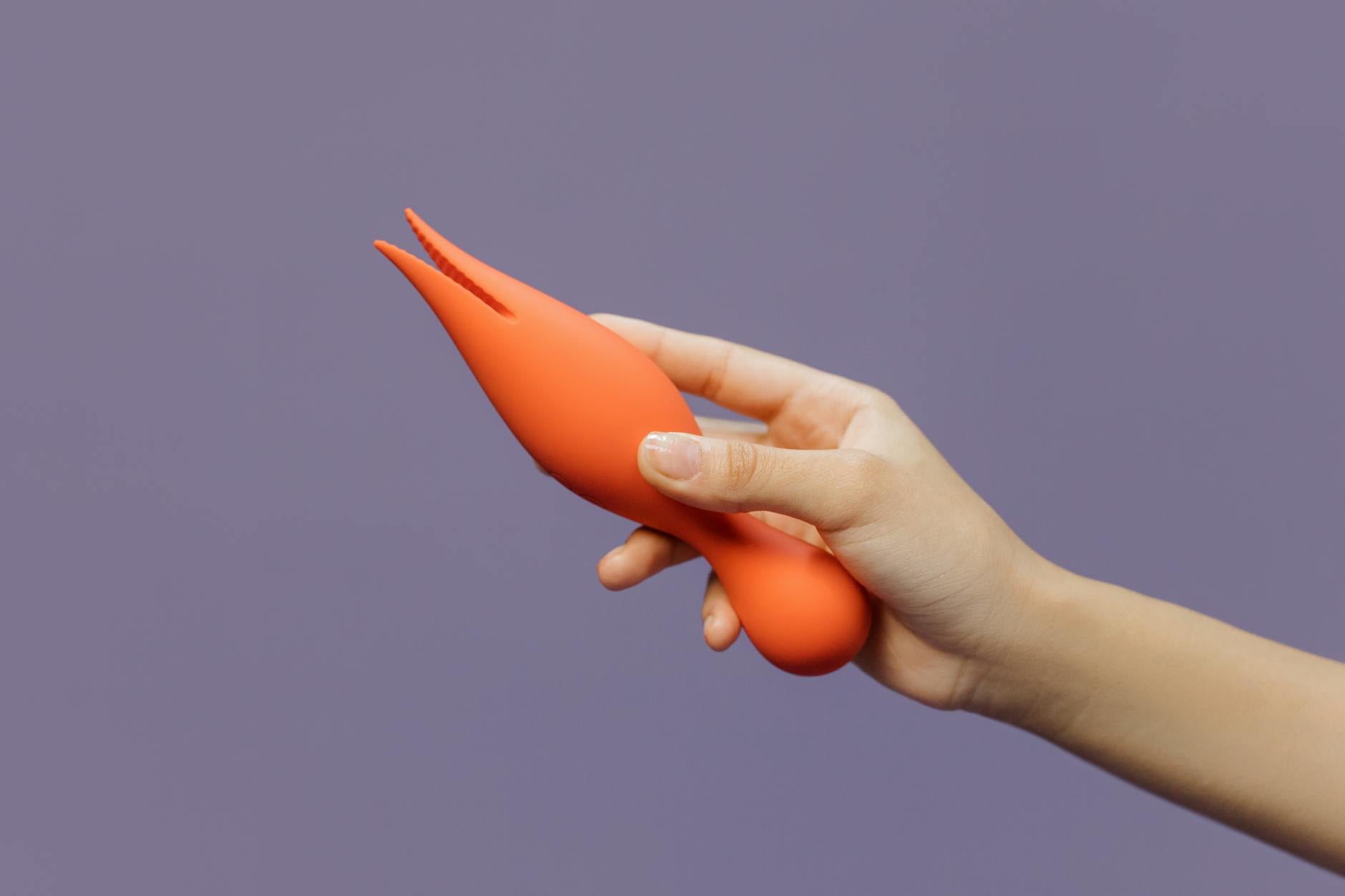
A lemon vibrator's design is actually ideal for postmenopause bodies, which is good news. Unlike toys that rely on direct friction or vibration, a lemon sucker creates gentle suction that stimulates nerve endings without the mechanical pressure that can irritate delicate tissue. You're not starting from zero. You're recalibrating.
Lubrication is non-negotiable
Water-based lubricant wasn't optional before menopause, but now it's essential. I recommend keeping it nearby every single time, even if you're using your lemon vibrator solo.
Why water-based? Silicone lubes feel luxurious and last longer, but they can degrade silicone toys over time. Water-based absorbs into tissue more naturally and won't stain. Apply generously around and on the clitoral area before you even turn the lemon vibrator on. You're not overshooting. You're creating the conditions for pleasure.
Some people worry that needing lube means something's wrong. It doesn't. It means your body is responding to a real physiological shift, and you're using a simple fix. That's maturity, not decline.
Start at the lowest setting, always
Your lemon vibrator probably has multiple intensity levels. After postmenopause, begin at level one or two. This sounds obvious, but many people skip it because they remember what they used to tolerate.
Remember: you're not less responsive. You're using a different baseline. Thinner tissue needs a gentler introduction. Turn it on at the lowest setting, let the suction build slowly, and stay there for at least five minutes before considering intensity. Most of the time, the lowest settings are enough. You might find that the subtle pull of level one creates better sensation than the intense stimulation you used to crave.
If you rush to higher intensities, you risk irritation. And irritation turns off arousal. So patience here pays off.
Extend your warm-up window
Before menopause, arousal might have happened in five to ten minutes. After, budget fifteen to twenty. This isn't weakness. This is a normal physiological reality after estrogen drops.
Use this time well. Touch yourself without the toy first. Explore what feels good on other parts of your body. Many people find that after menopause, sensitivity shifts. Your breasts might feel more responsive. Your inner thighs might have new sensation. Your clitoral area might need more time to warm up and engorge.
When you do bring the lemon vibrator into play, you're building on a foundation of arousal, not starting from neutral. This makes the entire experience better.
Lubrication strategy for extended sessions
Water-based lubricant can dry out over time, especially during longer play. Keep extra lubricant within reach. Pause every ten to fifteen minutes and reapply. This is not awkward. This is maintenance.
Some people find that adding a few drops of lubricant directly into the suction cup before use creates a better seal and prevents irritation. Experiment. Your body will tell you what works.
Pain is a signal to stop
Pleasure and pain are different. Pressure, sensation, even intensity are not the same as pain. If something hurts, stop immediately. Postmenopause tissue can be prone to small tears if you're using a vibrator too aggressively or without enough lubrication.
If you experience burning, sharp pain, or bleeding during or after using your lemon vibrator, pause for a few days and then try again with more lubricant and lower intensity. If pain persists, talk to a menopause-informed gynecologist. Topical estrogen creams (applied directly to tissue, not systemically) can thicken vaginal tissue in weeks and transform the experience.
Position and angle matter more now
Before menopause, you might not have cared much about angle. Now it's worth paying attention to. Thinner tissue is more sensitive to pressure distribution.
If you usually use your lemon vibrator in a specific position, try shifting slightly. Lie back instead of sitting forward. Use a pillow under your hips to adjust the angle of approach. Some people find that approaching from directly above (rather than at an angle) distributes suction more evenly and feels better.
Small shifts in angle or positioning can mean the difference between mild discomfort and perfect sensation. It's worth exploring.
Solo use versus partnered use
Many people find that using a lemon vibrator alone after menopause is easier to manage because you control pace, pressure, and pause points. You can adjust on the fly without explaining or negotiating.
If you're using it with a partner, communicate clearly about what feels good. "Lighter pressure," "more time to warm up," "let me control the intensity for now." A good partner will appreciate the clarity. If your partner is resistant to adjusting, that's a relationship conversation, not a vibrator problem.
The postmenopause pleasure shift is real
I'll say this directly because most sources won't: many people report their most intense, satisfying orgasms happen after menopause. The mental clarity is real. The lack of fertility anxiety is real. And the focused sensitivity you develop after recalibrating your pleasure is real.
If you've used a lemon clitoral vibrator before, you already know how it works. You're not learning from scratch. You're adjusting technique. That's a fundamentally different experience. You have knowledge. You have permission. You have a tool that works exceptionally well for postmenopause bodies because it doesn't rely on friction.
Your body isn't less sexual after menopause. It's differently responsive. And that difference, with the right approach, often leads somewhere better.
FAQ: Common questions about lemon vibrators after menopause
Is it normal for a lemon vibrator to feel uncomfortable after menopause?
Yes. Thinner tissue responds differently to suction. This doesn't mean the toy is wrong or your body is broken. It means you need more lubrication, lower intensity, and longer warm-up time. Most discomfort resolves within three to four sessions once you dial in your personal settings.
How much lubricant should I use with my lemon sucker after menopause?
Use generously. Apply around the entire clitoral area, inside the suction cup if you prefer, and reapply every ten to fifteen minutes. Water-based lubricant is safest for silicone toys. There's no such thing as too much when comfort is the goal.
Can a lemon vibrator cause tissue damage after menopause?
Tissue tears are rare and usually happen with aggressive use, insufficient lubrication, or too-high intensity on delicate tissue. Start low, use plenty of lubricant, and listen to your body. If pain occurs, stop and reassess. Topical estrogen therapy can strengthen tissue and prevent complications if you're at higher risk.
Should I use my lemon clitoral vibrator differently if I'm on hormone replacement therapy?
Not necessarily. HRT can improve tissue thickness and lubrication, which might mean you're more comfortable at higher intensities or with less added lubricant. Everyone's response is different. Adjust based on what you actually feel, not what HRT is supposed to do theoretically.
How long does it take to adjust to using a lemon vibrator after menopause?
Most people find their rhythm within two to four weeks. The first session or two might feel like relearning. By session three, you'll have dialed in lubrication amount, intensity level, and warm-up time. After that, it becomes automatic.
Is postmenopause pleasure really as good as people say it is?
It can be better. The pressure lifts. The clarity increases. And the sensation, once you get the technique right, is often more intense because postmenopause tissue is more densely innervated in some areas. You're not chasing what you used to feel. You're discovering what you feel now. That's a different and often richer experience.
The takeaway
Postmenopause tissue changes are real. They're also entirely manageable. A lemon vibrator, with its gentle suction design, is one of the better tools for navigating this shift. You're not starting over. You're adapting a technique you already know. Add lubrication, lower intensity, extend warm-up time, and listen to what your body tells you. The pleasure is still there. It's just wearing a slightly different shape now.
If you want to dive deeper into pleasure after major life transitions, I'm happy to talk through what you're experiencing. Reach out at /contact.