
The thing nobody tells you about depression and sex
Depression doesn't just make you sad. It makes your body feel untethered from pleasure. Even when the worst of it lifts, even when the medication starts working and the fog clears, desire doesn't automatically snap back. Your clitoris still exists, your nerve endings still fire, but somehow the signal between wanting and feeling gets scrambled.
I work with people through this all the time. The guilt is almost worse than the numbness. You think: I should want this. My partner wants this. Why can't I feel anything? The answer isn't that you're broken. It's that depression rewires how your nervous system processes pleasure, and rebuilding that connection takes intentional, patient work.
What depression actually does to sensation
Depression is neurochemical. It depletes serotonin and dopamine, which are the exact chemicals that make pleasure possible. When those levels drop, your brain literally stops processing stimulation the way it used to. A clitoral vibrator that once felt electric can feel like nothing. Or worse, it can feel uncomfortable, too intense, or weirdly triggering.
Added layer: depression often brings shame about the body. You might avoid touch altogether because you're disconnected from it. Or you might use stimulation as self-punishment instead of pleasure. Getting back to genuine, guilt-free sensation requires separating the neurochemistry from the emotional weight.
Here's what helps: understanding that numbness is a symptom, not a character flaw. Your nervous system isn't lazy or broken. It's recovering. That matters because it shifts the whole approach from "why can't I just get over this" to "what does my body need right now to feel safe again."
Start with non-sexual touch first
Before you touch a lemon vibrator or any sex toy, rebuild baseline sensation. Depression treatment often includes mindfulness, and one of the most overlooked parts is sensory awareness that has nothing to do with sex.
Try this: spend a week noticing textures. Run your hands over different fabrics. Take a shower and pay attention to water temperature. Get a massage if you can. Eat foods with distinct sensations. The point isn't pleasure yet. It's waking up your proprioceptive system, reminding your body that sensation exists and that it's safe.
Why does this matter for using a lemon clitoral vibrator later? Because you need to know what "I feel this" baseline feels like before you can meaningfully feel stimulation. If your nervous system is offline, adding a vibrator is like trying to make a phone call on a disconnected line.
When you're ready: start with zero pressure
The biggest mistake people make restarting pleasure after depression is treating it like a goal to achieve. They set a time, prepare the space, decide today is the day they're going to feel something again. That actually makes it worse because now there's performance pressure, which shuts down sensation even further.
Instead: keep a lemon vibrator or lemon sucker nearby without a plan. Pull it out during a moment when you're genuinely curious, not when you've decided it's time to "get your sexuality back." Let it be an option, not an assignment.
When you do use it, start on the lowest setting. Not because you need to build up tolerance, but because if your nervous system is numb, you need a gentle entry point. The Lem vibrator works beautifully for this because you can control the intensity and it's designed for sustained sensation rather than aggressive pulsing.
The hierarchy of sensation recovery
Here's what I typically recommend, in order:
Week 1-2: Just holding it. Don't turn it on. Just let your hand get used to the weight, the shape, the fact that this is a tool for you. This is boring on purpose.
Week 2-3: Turn it on over clothes. Underwear, pants, whatever. The barrier is important. You're introducing vibration without direct contact. This is still low-pressure exploration.
Week 3-4: Direct contact, lowest setting. Start with a few seconds. If it feels good, great. If it feels nothing, that's also fine. You're collecting data, not chasing feelings.
Week 4+: Extend duration and intensity as sensation returns. This is the gradual part. You might surprise yourself with what you're capable of feeling once you stop demanding it.
This timeline isn't universal. Some people move faster. Some move slower. The point is that there's no finish line. You're rebuilding a relationship with your own pleasure, and that takes the time it takes.
What to do if sensation stays flat
If you're weeks in and still feeling nothing, three possibilities:
First, your medication might be the culprit. Some antidepressants, particularly SSRIs, can genuinely blunt sensation as a side effect. Worth talking to your doctor about timing (taking it at night instead of morning can help) or switching medications. Don't stop taking it, but do raise this.
Second, you might still be in the acute recovery phase. Depression doesn't lift linearly. You can feel better, then worse, then better again. Your nervous system might need more time.
Third, depression sometimes unearths deeper stuff around pleasure, shame, or trauma that was already there. If that's the case, that's not a solo-vibrator problem. It's a therapy conversation. And that's completely okay.
When you do start feeling something again
Most people describe it as a slow creep, not a switch. One day you notice the vibration. Another day it's slightly pleasant. Then one day your body actually responds. Don't wait for it to feel like it used to before depression hit. It probably won't, and that's normal. You're not recovering the same capacity. You're building a new one.
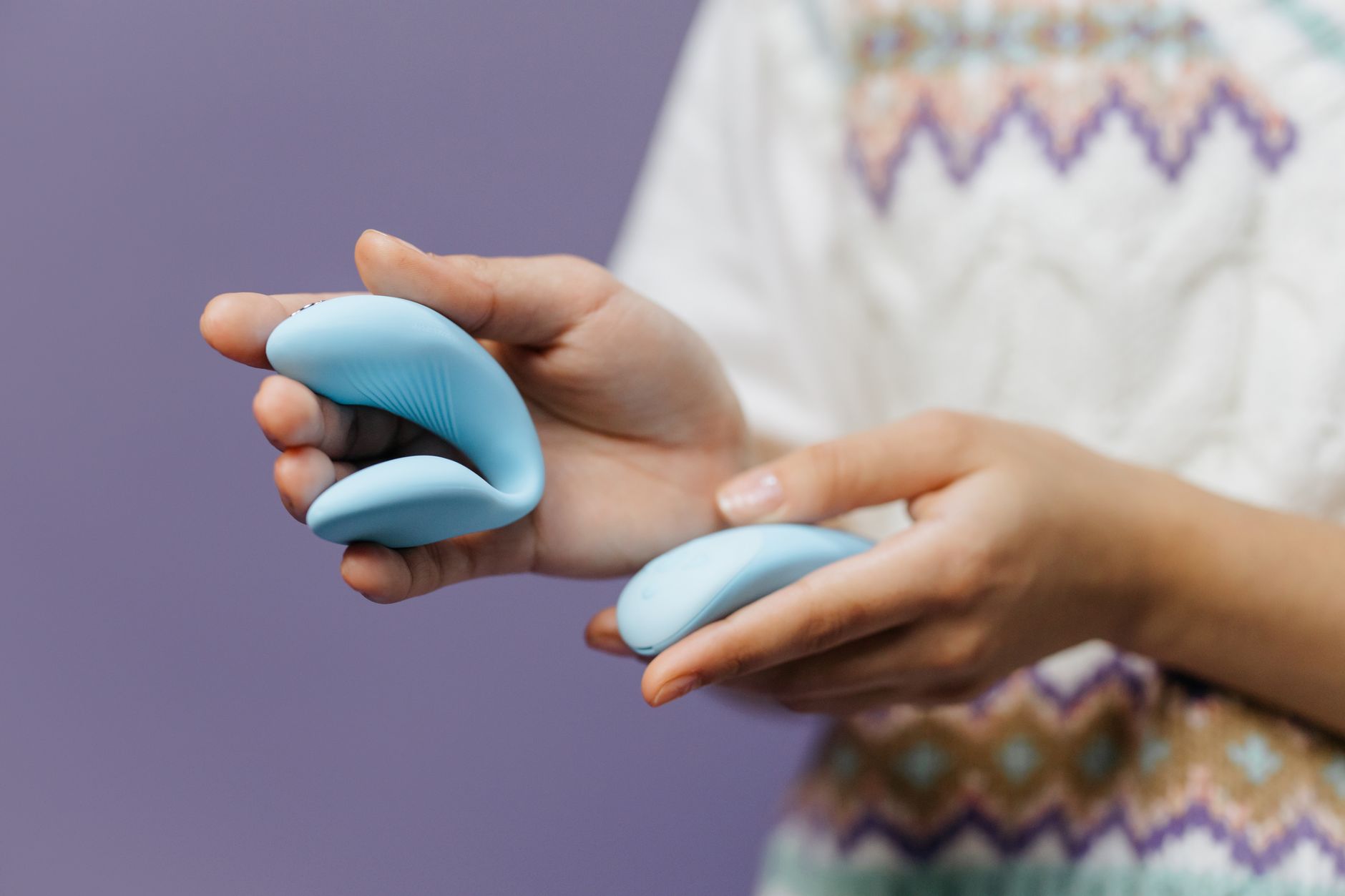
Photo by cottonbro studio on Pexels
Honestly? Many people tell me that their sensation is actually deeper post-depression. Not because depression was good, but because the slow rebuild created intentionality. You're not using a clitoral vibrator mindlessly. You're using it as a deliberate act of self-care and reconnection.
If you're using the Lem or another lemon vibrator with a partner, here's the key: don't make it about proving you're "better." It's not a performance metric. It's a tool for exploration. Your partner doesn't need you to come. They need you to feel safe and present, even if sensation is slow.
The role of communication and patience
If you're in a relationship, this is actually a conversation, not a solo project. Your partner deserves to know that numbness is real and that rebuilding takes time. That doesn't mean announcing every step. It means saying something like: "I'm working on reconnecting with my body. I'm going to explore this at my own pace. I'll tell you if something changes."
For partners reading this: the most helpful thing you can do is remove pressure. Don't ask "do you want to try?" Don't suggest a timeline. Don't take numbness personally. Just be present and patient.
Questions people actually ask about this
Can I use a lemon clitoral vibrator if I'm still on antidepressants?
Completely yes. The medication helps your brain chemistry recover. A clitoral vibrator is a tool for sensation awareness. They work alongside each other, not against each other. Some people find that as their medication stabilizes, sensation naturally returns. Others need to actively rebuild it.
Is it normal to feel nothing the first few times?
It's one of the most common experiences. Depression has essentially turned down the volume on your nervous system. Using a vibrator when you're numb feels like waving a magic wand that doesn't work. But you're not broken. You're just at a volume that needs time to turn back up.
What if using a vibrator brings up anxiety or sadness?
This can happen. Your body might associate stimulation with the period when you were depressed, or it might trigger vulnerability that feels scary. If that's happening, slow down. Talk to a therapist about it. Sometimes gentle body work (like the non-sexual touch I mentioned earlier) is actually more helpful than jumping straight to a vibrator.
Should I use my lemon vibrator alone or with a partner?
Whichever feels safer. Solo can be less pressure because there's nobody watching, nobody waiting for you to feel something. With a partner it can feel more connected, but only if your partner is genuinely present and patient. Start however feels less triggering. You can always shift later.
How do I know if depression is returning if sensation goes numb again?
Good question. A sudden drop in sensation isn't always depression returning. It could be medication timing, stress, relationship tension, or just a day where your body isn't responsive. But if numbness sticks around for weeks and you're noticing other depression signs (hopelessness, withdrawal, sleep changes), yeah, check in with your doctor.
What if pleasure comes back but shame doesn't?
This is real. You can feel physically again but still carry guilt about the time you lost, about needing a tool to feel, about having needed your body to shut down in the first place. That's not a vibrator problem. That's a shame problem, and it usually needs therapy alongside the physical reconnection.
The bigger picture
Using a lemon vibrator after depression isn't about rushing back to your "old" sex life. It's about patient, intentional reconnection with a body that temporarily stopped working the way you needed it to. Your nervous system is recovering. That recovery deserves time, gentleness, and zero performance pressure.
Sensation returns. It always does. But the timeline is individual. Some people feel something shift within weeks. Others take months. Both are normal. What matters is that you're showing up for yourself without judgment, using tools like a clitoral vibrator as an option, not an obligation.
If you want to explore further, how to use a lemon vibrator when anxiety blocks arousal covers the overlap between anxiety and numbness, which depression often brings. And if you're rebuilding with a partner, how to use a lemon vibrator when reconnecting after extended time apart talks about that slower, deliberate pace that works well for recovery situations.
Your body remembers how to feel. It just needs patience.