
Let's name what happened
Years of avoiding your own body doesn't come from nowhere. Maybe sex stopped feeling safe after a relationship ended badly. Maybe you were shamed for wanting pleasure. Maybe your body changed in ways that confused you, and it felt easier to just stop trying than to grieve what shifted. Maybe you built a wall between yourself and sensation so high that pleasure started to feel foreign, even threatening.
That wall served a purpose. It protected you. And now you're ready to take it down, which takes the kind of courage most people never talk about.
Restarting after years of avoidance is completely different from starting fresh at twenty. You're not building curiosity. You're rebuilding trust with your own body. That's harder, and it's also more profound.
Why avoidance rewires your pleasure system
When you spend years not touching yourself, not allowing arousal, not permitting pleasure, your nervous system learns something: this sensation is not safe. Your clitoris doesn't forget how to feel pleasure, but your brain learns to suppress the signals before they arrive. It's a protective mechanism. It's also reversible.
The reason this matters is that a lemon vibrator. or any clitoral vibrator. can't force pleasure back online. What it can do is create a physical sensation so specific and controlled that your nervous system can gradually recognize: this is safe. This is mine. I get to choose this.
Many clients tell me that reintroduction takes patience they weren't expecting to need. You might hold the vibrator against your body and feel almost nothing. Or feel something and immediately sense your brain trying to shut it down. This isn't a sign of failure. This is your body communicating exactly where you are.
The setup that actually works
Start with conditions, not with the device itself.
You need a space where interruption is impossible. Not your bedroom with the door cracked. Not the living room after kids go to bed. An actual locked space where you can breathe and not listen for footsteps. Phone off. If you have a partner, they know you need an hour and you don't have to explain why.
Second, you need time. This is not a fifteen-minute task. Budget ninety minutes. You'll probably use thirty. The other sixty is permission to do nothing, to stop, to sit with discomfort, to change your mind. That spaciousness is half the work.
Third, you need a lubricant. Even if your body produces lubrication naturally, starting with an external lubricant removes one barrier to sensation. It says: I'm making this easy on myself. I deserve comfort. Water-based lubes work best with silicone toys like the Lem vibrator. they reduce friction in a way that lets you feel the suction without other sensations getting in the way.
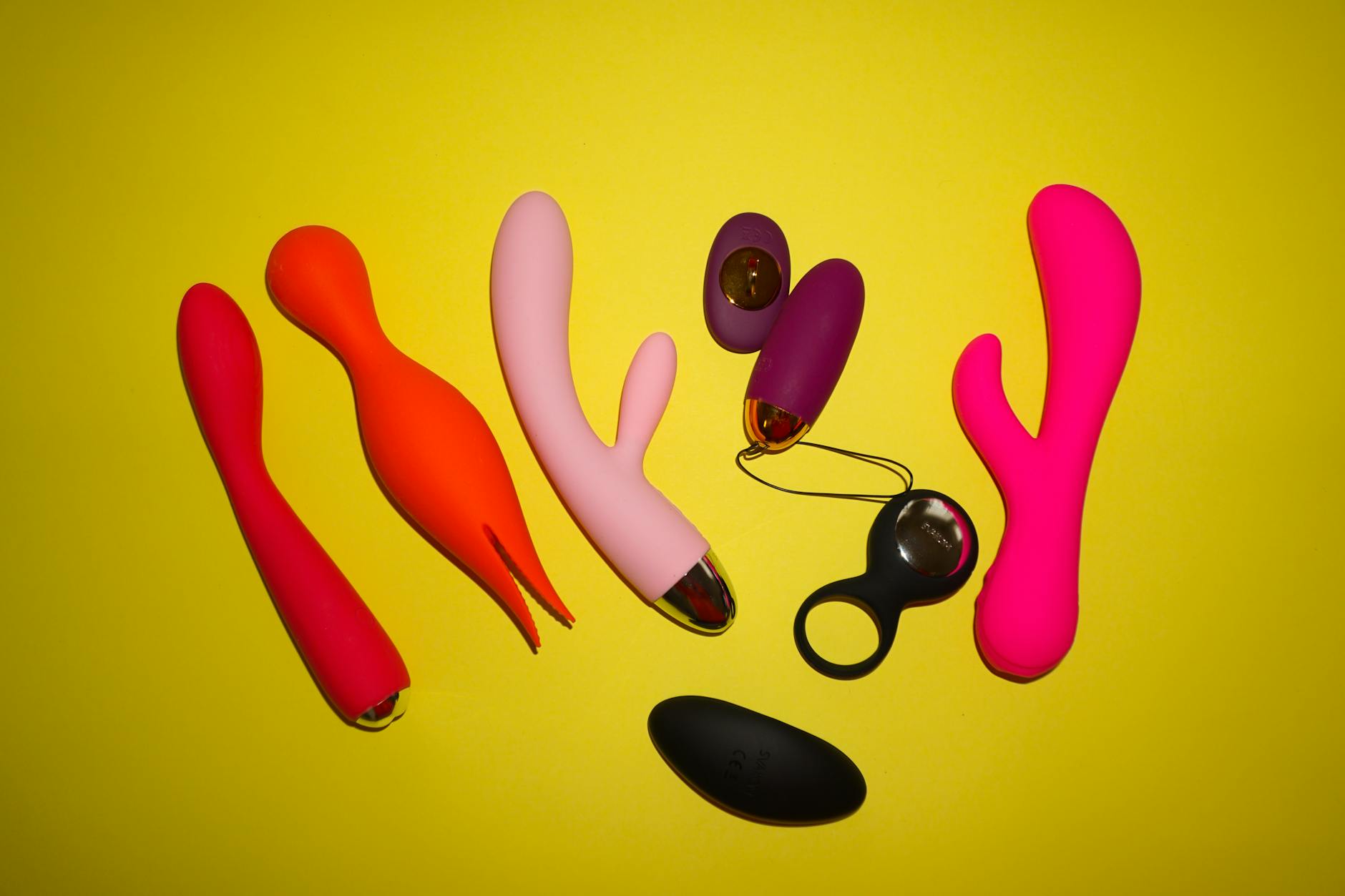
Photo by DRT.fm on Pexels
The Lem approach: why suction changes the game
A traditional vibrator sends waves of sensation across the whole area. A lemon clitoral vibrator uses gentle suction to focus stimulation in one concentrated spot. This matters enormously when you're rebuilding.
With suction, you don't have to negotiate with your body about what intensity means. You're not ramping up vibration levels and hoping something lands right. You're creating a gentle, sustained pressure that your nervous system can track moment by moment. If it feels like too much, you move the device. If it feels right, you stay.
Start on the lowest suction setting. Most people rebuilding after avoidance find that level one or two of the Lem is more than enough. You're not chasing an orgasm. You're teaching your body that this sensation is safe, predictable, and yours.
Many of my clients report that the first few sessions feel almost like meditation. Sensation without agenda. Touch without performance. That absence of pressure is what makes the nervous system gradually soften.
What your body might do (and what it means)
You might feel numbness. This doesn't mean your clitoris is broken. It means your nervous system is still in protection mode. Keep going gently. Numbness often resolves within a few sessions as your body recognizes that safety is actually here.
You might feel intense emotion. Tears, anger, sadness, or waves of grief. This is your body releasing. Let it happen. Pause the vibrator if you need to. Sit with what's coming up. This is healing, not failure.
You might feel arousal building and then panic. Your protective system detects pleasure and tries to shut it down. This is normal. When it happens, pause. Breathe. You can try again tomorrow. You're teaching your nervous system that arousal won't overwhelm you, but that teaching takes repetition.
You might feel nothing at all. No sensation, no arousal, no emotion. Genuinely nothing. This also isn't failure. Your body is learning that it's safe to be touched. Sometimes that learning is quiet.
The rhythm that actually works
Don't do this every day. Do this two or three times a week, with real days off between. Your nervous system needs time to integrate. The days off aren't wasted. They're when your brain is consolidating the message: pleasure is safe now.
Each session, start exactly the same way. Same space, same lubricant, same device. Ritual builds safety. Your body begins to anticipate that this time is protected time.
Keep sessions short initially. Ten to fifteen minutes of actual stimulation. You're not trying to orgasm. You're trying to become reacquainted with sensation. If an orgasm happens, wonderful. If it doesn't, that's also fine. The goal is presence, not outcome.
Over weeks, you might notice that sensation becomes sharper. That numbness lifts. That your body starts to anticipate the time with something other than dread. These are the micro-shifts that mean your nervous system is rewiring.
When to bring a partner in (if you have one)
Let your body rebuild solo first. Three to four weeks of solo practice before you involve anyone else. This isn't rejection of your partner. It's saying: I need to trust my own body before I can trust someone else with it.
When you're ready, the conversation isn't "I want to use a toy." It's "I'm rebuilding my relationship with my body and I need you to understand that this is about me, not about you or what you're doing or not doing in our relationship."
Many partners feel defensive when toys enter the picture, as though the toy is replacing them. The reality is different. You're asking your partner to witness your process. That's a form of intimacy that often runs deeper than sex.
If your partner wants to be present during your solo time, that's okay. But only if it feels genuinely safe. If there's any sense of performance, any awareness that you're being watched, pause and restart alone. You don't owe anyone access to your healing.
The conversation with shame
Years of avoidance usually means years of shame. Shame about what you wanted. Shame about wanting anything. Shame about your body. Shame about the gap between what you deserve and what you let yourself have.
A lemon vibrator can't dissolve shame. But it can be a physical act of saying: I'm choosing myself now. I'm choosing sensation. I'm choosing pleasure as an act of self-respect, not indulgence.
Every time you set up that ritual. every time you lubricate and settle in. every time you let yourself feel what your body is actually feeling. you're having a conversation with the part of you that learned to say no. You're saying: You were protecting me. Thank you. I can take it from here.
When to seek additional support
If avoidance was rooted in trauma, a sex-positive therapist can help you integrate that work with your physical restarting. If it was rooted in relational harm, couples therapy might be necessary before toys and pleasure feel safe in a partnership context.
If numbness doesn't improve after six to eight weeks of consistent practice, or if arousal triggers intense panic that doesn't settle, that's useful information for a medical provider. Sometimes hormonal shifts or neurological factors need attention.
But most of the time. with time, safe space, and the right tool. your body remembers how to feel. It just needs permission and patience.
FAQ: Rebuilding intimacy with lemon clitoral vibrators
How long does it take to feel sensation again after years of avoidance?
This varies widely. Some people feel significant shifts within two to three weeks. Others need two to three months. The timeline isn't linear. You might feel numbness for weeks, then suddenly sensation returns. Then it might recede again. This is normal. Your nervous system is learning incrementally. The key is consistency, not speed. Two or three sessions a week for three months of practice is more effective than daily use for two weeks.
What if I feel ashamed using a lemon vibrator after years of avoiding pleasure?
That shame is real and it's worth naming. It usually comes from the same place that made avoidance feel protective in the first place. You can sit with the shame and also use the vibrator. They can coexist. Over time, as your body experiences pleasure as safe rather than threatening, the shame often softens. If it doesn't, a therapist specializing in sexual shame can help you untangle where it's coming from.
Can my partner use the lemon vibrator on me if I'm rebuilding after avoidance?
Yes, but only after you've rebuilt with yourself first. Solo practice creates safety in your own nervous system. Once you know what sensation feels like when you're controlling it, you can gradually add your partner's involvement. Start with them present but not touching. Then graduate to them holding the device under your direction. Control stays with you. This prevents retraumatization and keeps the experience rooted in your agency.
What if I orgasm on the first or second try?
That's wonderful and also not required. Some people's bodies respond quickly once given permission. Others need weeks of non-orgasmic stimulation before orgasm returns. Both are fine. Orgasm is a measure of pleasure, but it's not the only measure. Sensation, presence, reduced numbness, curiosity about your body. these are all victories.
Should I use the lowest suction setting on the Lem if I'm just restarting?
Absolutely start low. Most people rebuilding find that level one or two is plenty. You can experiment with higher settings over time if you want to. But there's no rush. The goal is to create an association between clitoral stimulation and safety, not intensity. Low and slow wins here.
How do I know if what I'm feeling is arousal or just sensation?
Early on, you might not know the difference. Arousal involves increased heart rate, muscle tension, lubrication, and sometimes that sense of wanting more or going deeper. But if you've been avoiding for years, arousal might feel unfamiliar or even alarming at first. The distinction matters less than your comfort. If sensation feels good and safe, that's enough. Arousal will deepen naturally over time.
You're rebuilding, not starting from scratch
Your body hasn't forgotten pleasure. It's learned to protect itself. That's actually useful information. It means you have a nervous system that responds to threat, which also means it can respond to safety. A lemon vibrator gives you a way to send that signal repeatedly: this is safe. This is yours. You deserve to feel.
If you're ready to start or want to talk through what rebuilding might look like for you specifically, we're here. Your path back to pleasure isn't about pushing through shame. It's about gentle, consistent, patient permission.