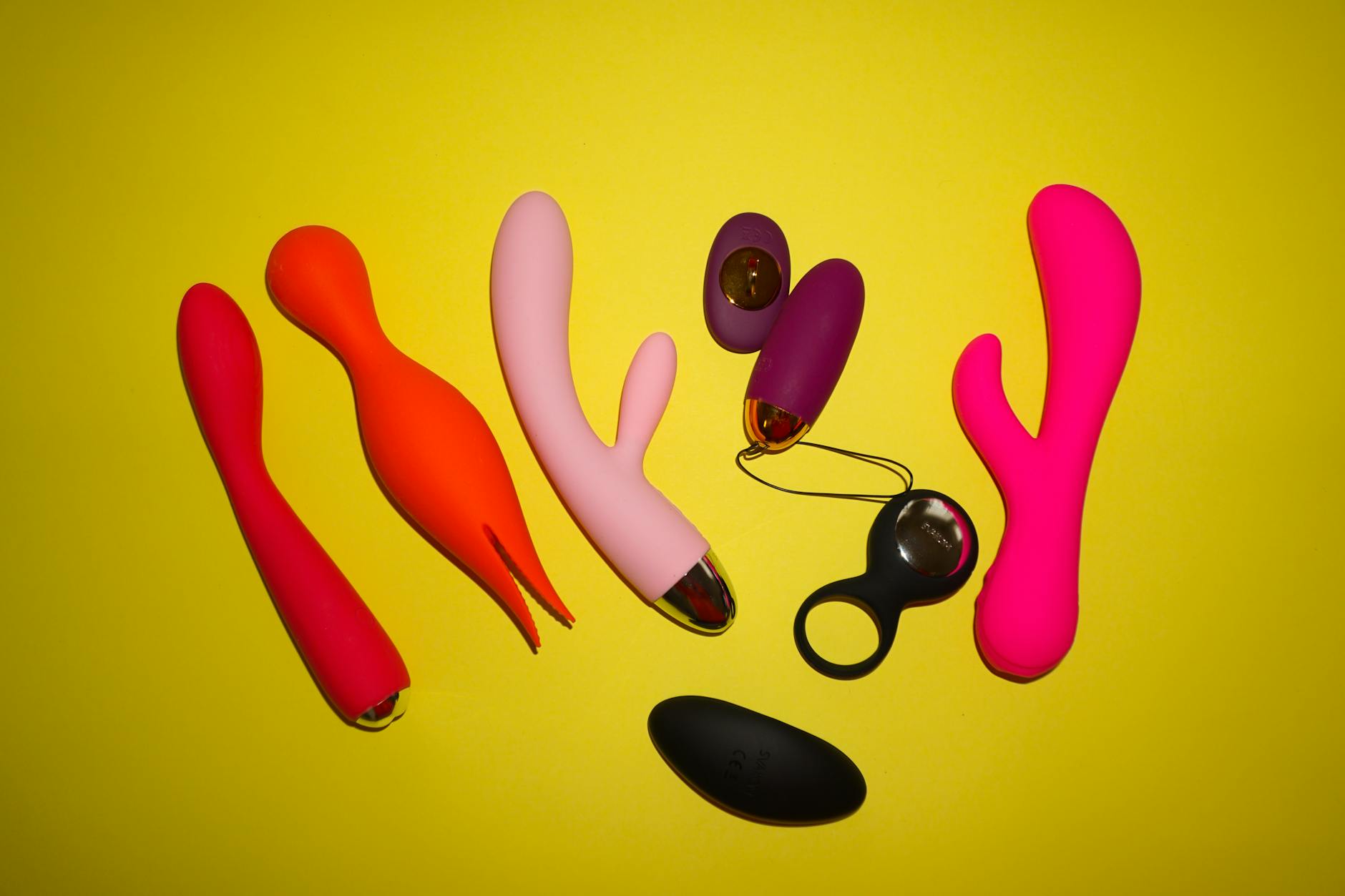
Let's talk about what a breakup actually does to your body
When a relationship ends, your nervous system doesn't care that the breakup was rational or necessary. To your body, it's a loss. A rupture in the attachment that kept you feeling safe, desired, and known. That affects your sexuality more directly than you might expect.
Many people report that after a breakup, their desire flatlines. Not because they're broken, but because desire lives in the nervous system, and your nervous system is in survival mode. You might also notice that when you try to touch yourself, it feels weird. Like your body belongs to someone else still, or like you've forgotten how pleasure works at all. Both are completely normal.
Here's what I've seen over decades of working with people navigating post-breakup healing. The ones who rebuild sexual confidence fastest aren't the ones who jump into new relationships. They're the ones who deliberately, patiently, reconnect with their own pleasure first. And for many, a lemon clitoral vibrator becomes the tool that makes that reconnection possible.
Why a vibrator helps when nothing else does
Your brain after a breakup is flooded with cortisol and depleted in dopamine. You're hypervigilant, exhausted, and the last thing you want is another person's touch. But your own touch, paired with something that creates consistent sensation without judgment, can be exactly what your nervous system needs to start feeling safe in your body again.
A lemon vibrator like the Lem works particularly well because air-suction technology doesn't require the same kind of mental control that manual stimulation does. You don't have to think about rhythm or pressure or whether you're doing it right. The device handles the sensation, and you just have to be present. That's huge when your brain is in pieces.
There's also something psychologically important about choosing a tool that feels separate from your relationship. If you and your ex shared toys or routines, starting fresh with something designed specifically for solo pleasure reclaims your sexuality as yours alone.
The timeline for reconnecting after breakup
I won't tell you when you're ready, because grief isn't linear. But here's what the research on sexual recovery after relationship loss actually shows.
Weeks one to four: your priority is stability and sleep. Not pleasure. If you want to use a vibrator, that's fine, but the goal isn't orgasm. It's just gentle reconnection. Turn it on the lowest setting. Spend five minutes noticing sensation without expecting anything. This is nervous system regulation, not sex.
Weeks four to twelve: desire often creeps back in quietly. You might notice attraction to other people, or curiosity about your own body returning. This is when many people benefit most from solo exploration with a lemon clitoral vibrator. You're starting from a place of self-focused pleasure, not performance or partnership anxiety.
Three months and beyond: if you haven't already, this is when many people feel ready to start dating again, or to use toys in new partnerships. The foundation of knowing your own pleasure is solid.
Obviously, some people move faster, some slower. The point is that using a vibrator early on isn't rushed. It's part of your recovery.
How to use a lemon sucker when you're starting from zero
If you've never used a clitoral vibrator, or if you haven't touched yourself in months because the breakup killed your sex drive, starting feels vulnerable. Here's the practical roadmap.
First, schedule it. Not because pleasure should feel scheduled, but because your brain right now needs permission structures. Tell yourself "Friday night, I'm going to spend twenty minutes with myself." That permission helps move through shame.
Second, set up somewhere you feel safe. This might be your bed with soft lighting. It might be the bathroom with the door locked if you live with roommates. Comfort and privacy matter more than ambiance right now.
Third, start without the vibrator. Spend five minutes with your hands, noticing what feels good. If nothing feels good yet, that's fine. Just notice. The goal is presence, not pleasure.
Then turn on your lemon vibrator. Start at the lowest intensity. Try it on different areas. You're collecting data about what your body responds to. Not judging. Not forcing. Just learning.
Last: if you orgasm, great. If you don't, equally great. Both are signs that you're reconnecting. Pleasure after a breakup isn't about intensity. It's about ownership.
What numbness really means, and when it shifts
A lot of people describe post-breakup sensation as "numb" when they first use a clitoral vibrator. You can feel the vibration, but it doesn't land the way it used to. This doesn't mean you're broken. It usually means your nervous system is still in fight-or-flight, and that state narrows sensation. Everything feels muted.
As your nervous system settles over weeks and months, that numbness typically lifts on its own. The vibrations suddenly feel stronger, more pleasant, more interesting. If it doesn't shift after a few months, that can point to something else (medication, hormonal changes, pelvic floor tension) worth exploring with a pelvic health specialist.
Meanwhile, a lemon vibrator is actually excellent for rebuilding sensation because the air-suction technology works differently than traditional vibration. It engages the tissue in a way that many people find less overstimulating when they're in a numb phase.
Solo pleasure is reclaiming your body
Here's what I want you to know that I think gets lost in a lot of breakup advice. When people tell you to "focus on yourself," they usually mean therapy, workouts, and hobbies. Those matter. But so does this: remembering that your body is a source of pleasure that belongs entirely to you.
A lemon clitoral vibrator isn't a substitute for processing the relationship loss or rebuilding your life. It's a tool for a specific, necessary part of healing. It's you saying "my sexuality survived this. My capacity for pleasure survived this. And it's mine now."
If you spent years accommodating someone else's preferences, rhythm, or timing, solo exploration with a vibrator is the opposite of that. There's no one to perform for. No one to worry about. Just your nervous system, your pleasure, and a tool designed to help you find both.
When to consider reopening to partnered sex
Not a checklist, but some signs you might be ready to include a partner again.
You can think about sex without it triggering panic or vivid memories of your ex. You've explored your own pleasure enough to know what you actually want. You can imagine a new partner without comparing them to the one you lost. Your sleep is mostly normal. You can laugh without it feeling forced.
If you and a new partner move toward sex, you don't have to erase what you learned solo. Some people find that bringing a lemon vibrator into partnered play makes the transition smoother. It's familiar. You know how to use it. And it keeps the focus partly on your own sensation rather than entirely on a partner's touch.
That's actually one of the best long-term uses of a clitoral vibrator. Not as a breakup recovery tool only, but as part of your ongoing sexual toolkit, whether you're partnered or solo.
FAQ: Questions about pleasure after breakup
Is it normal to have zero sex drive after a breakup?
Completely normal. A breakup is a loss, and your body responds to loss by withdrawing. Desire will often return naturally as your nervous system recalibrates over weeks and months. Using a lemon vibrator doesn't force desire. It gives your body a gentle way to remember what pleasure feels like, without any external pressure.
How long should I wait before using a vibrator after a breakup?
There's no rule. If you want to use one a week after the split, that's not too fast. If you wait six months, that's not too slow. The only question that matters: does this feel like something I want to explore, or am I trying to distract myself from grief? If it's the former, go for it. If it's the latter, the grief will still be there after the vibrator.
Will using a lemon vibrator solo make it harder to enjoy partnered sex later?
Actually, the opposite. When you know your own pleasure, you're more resourceful with a partner. You can communicate what works. You're less dependent on a partner to "turn you on." And you come to sex with someone from a place of knowing you can pleasure yourself, which changes the whole dynamic in a healthy way. A clitoral vibrator is a skill, not a crutch.
What if I feel guilty or ashamed using a vibrator after my relationship?
That's worth exploring, but it's not unusual. Breakups often come with a lot of shame, even when the split was necessary. Using a vibrator might feel like you're being disloyal, or like you're replacing the intimacy you lost. You're not. You're reclaiming ownership of your own body and pleasure. That's healing, not betrayal.
Can a lemon vibrator help if I also have trauma from the relationship?
It can be part of healing, but not a replacement for therapy. If the relationship involved sexual pressure or assault, solo exploration with a vibrator should happen alongside working with a trauma-informed therapist. Your pelvic floor and nervous system hold memory, and that needs professional support. A vibrator is a tool; a therapist is the guide.
How do I know if I'm using a vibrator to avoid processing the breakup?
Honest question. If you're using it daily to escape difficult feelings, that might be worth examining. If you're using it occasionally as part of reconnecting with yourself, that's different. The distinction: does this help you feel more present in your body, or does it help you numb out? If it's the latter, that's a sign to add some other support, like talking to a therapist or trusted friend.
What comes after reconnection
Eventually, you won't think of your vibrator as a breakup recovery tool anymore. It'll just be part of your sexual toolkit. You'll use it solo when you want. Maybe with a partner. Maybe not. The point is that you'll have reclaimed the part of yourself that your ex had access to and turned it back into something that belongs entirely to you.
That's what healing looks like. Not forgetting the relationship or pretending it didn't change you. But remembering that your pleasure, your sexuality, your capacity for desire survived it. And now, it's yours to explore on your own terms.